











Your OTF Knife Buying Guide & Expert Advice
What Makes a Quality OTF Knife?
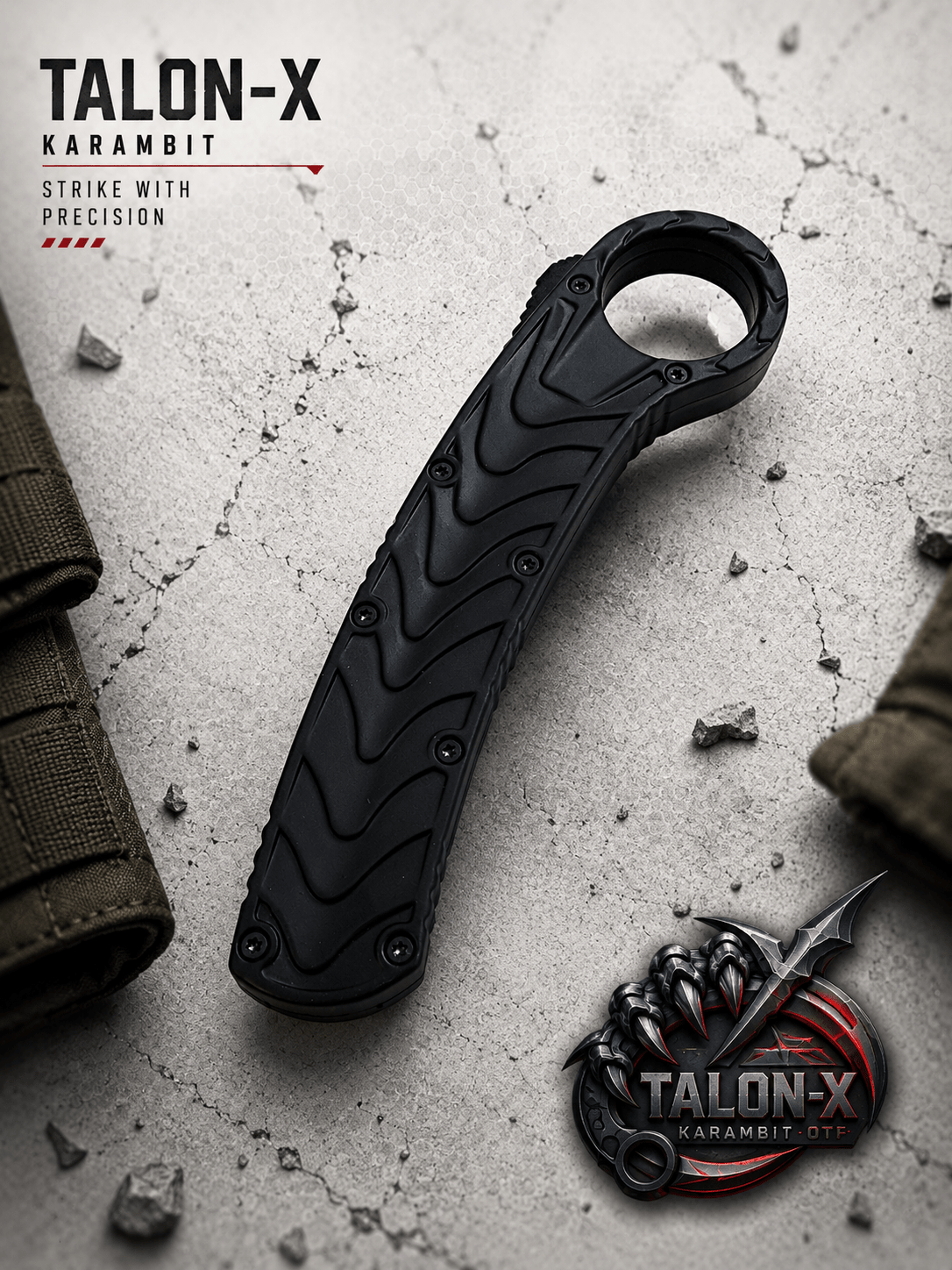
The best OTF knives combine precision engineering, premium materials, and dependable deployment. While appearance often draws attention first, the internal mechanism, blade steel, handle construction, and overall manufacturing quality determine how an automatic knife performs over years of use.
A well-built out-the-front knife should deploy smoothly, lock securely, and retract consistently while maintaining tight blade tolerances. Premium models often feature precision-machined aluminum handles, hardened internal components, and blade steels designed to deliver excellent edge retention and corrosion resistance.
Whether you're purchasing your first automatic knife or expanding an existing collection, investing in quality construction provides greater long-term reliability and value than simply choosing the lowest-priced option.
How to Choose the Best OTF Knife for Your Needs
Rather than asking which OTF knife is "best," consider which features best match how you'll use it.
Blade Length
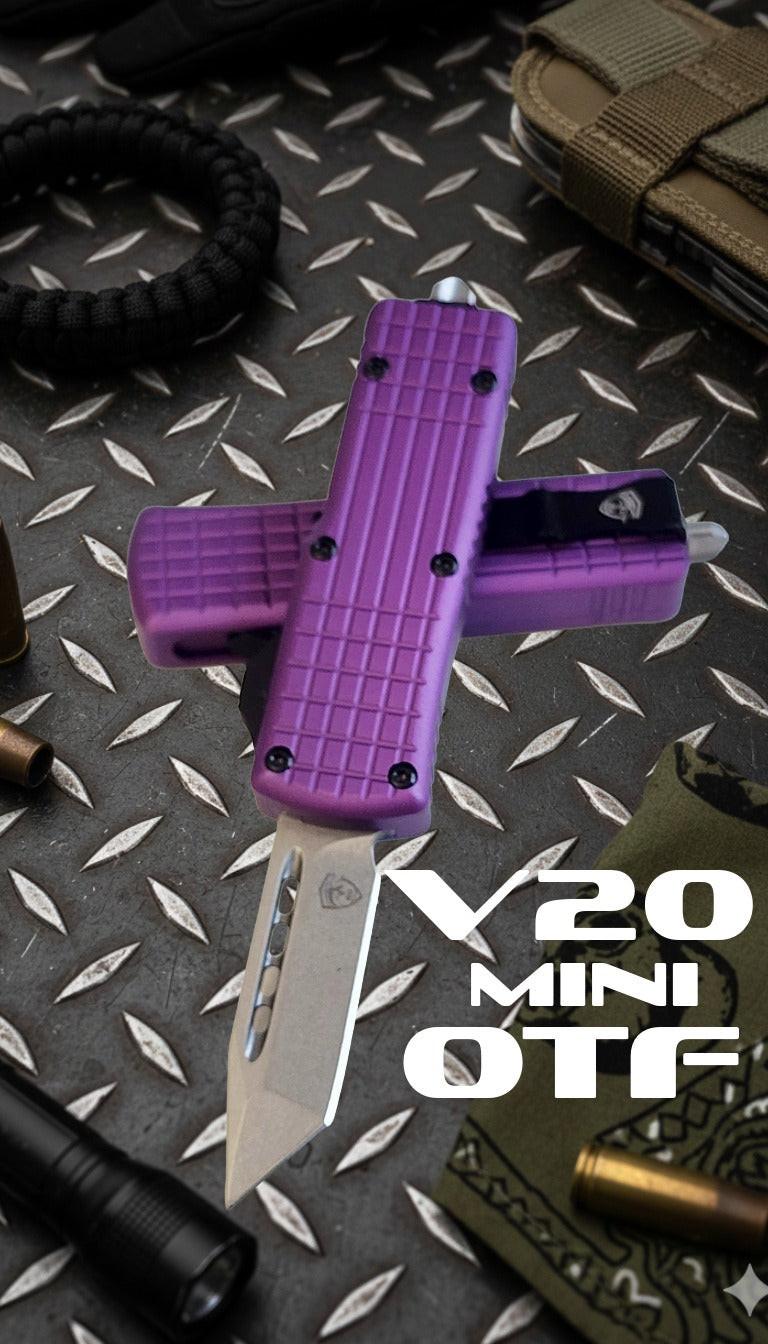
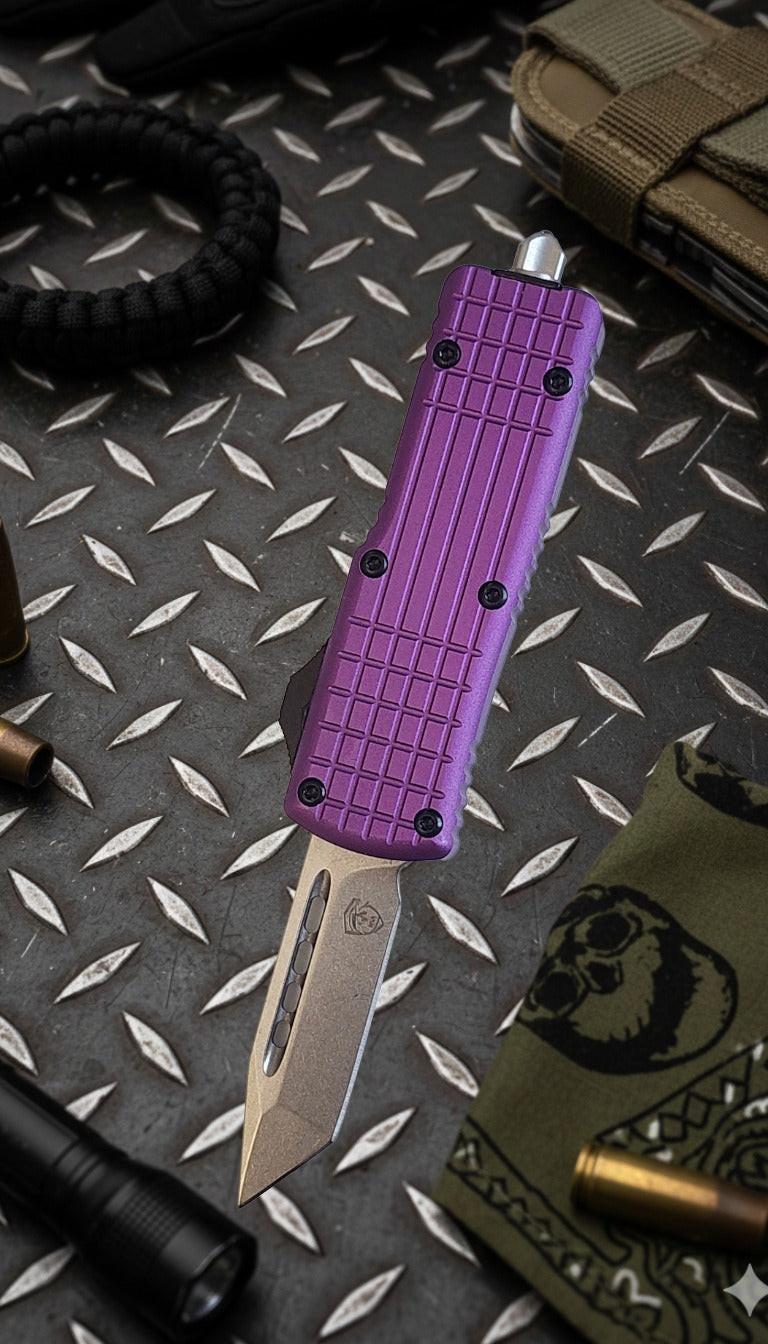
Compact models around three inches are popular for everyday carry because they balance portability with practical cutting performance. Larger blades provide additional cutting surface for heavier utility tasks while remaining comfortable to operate.
Blade Style
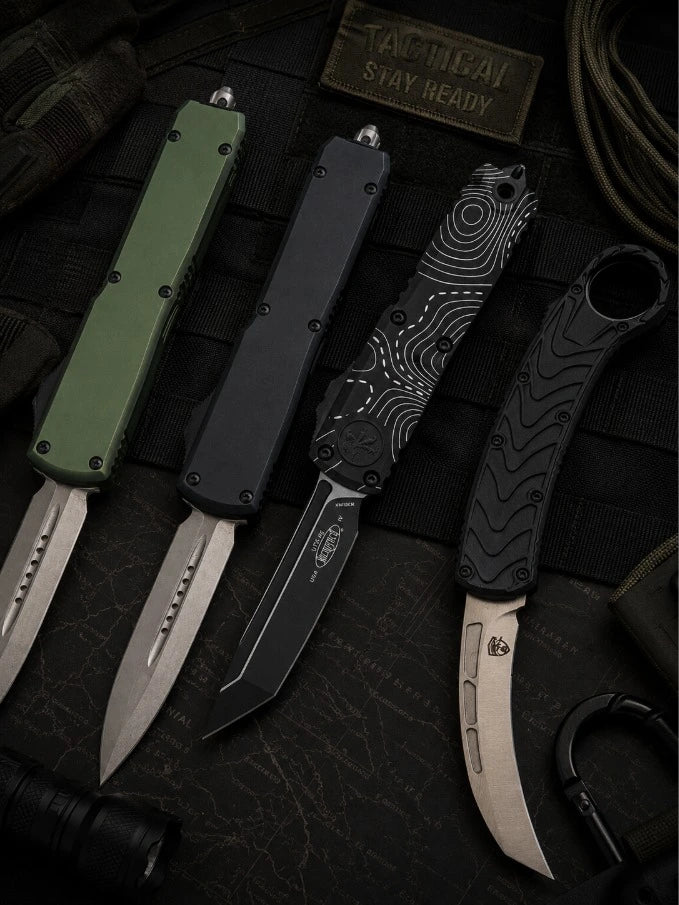
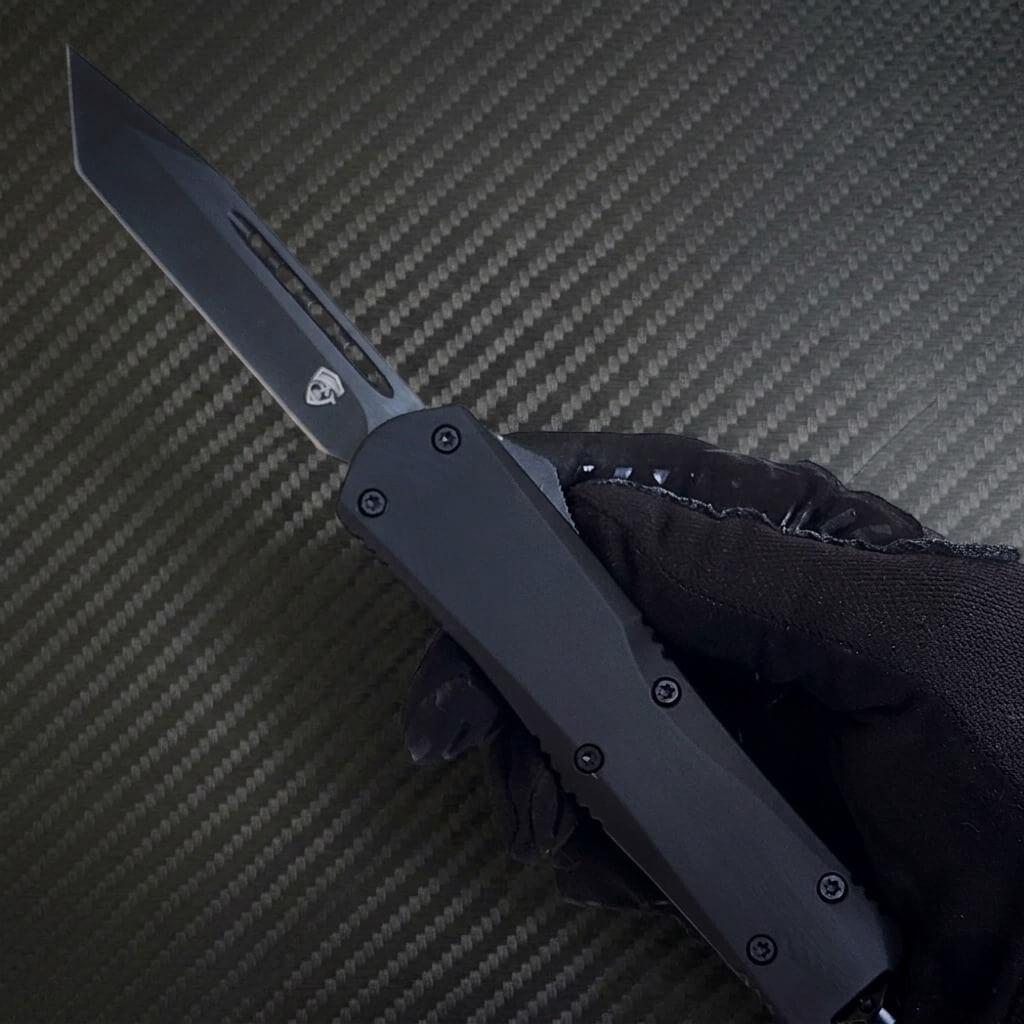
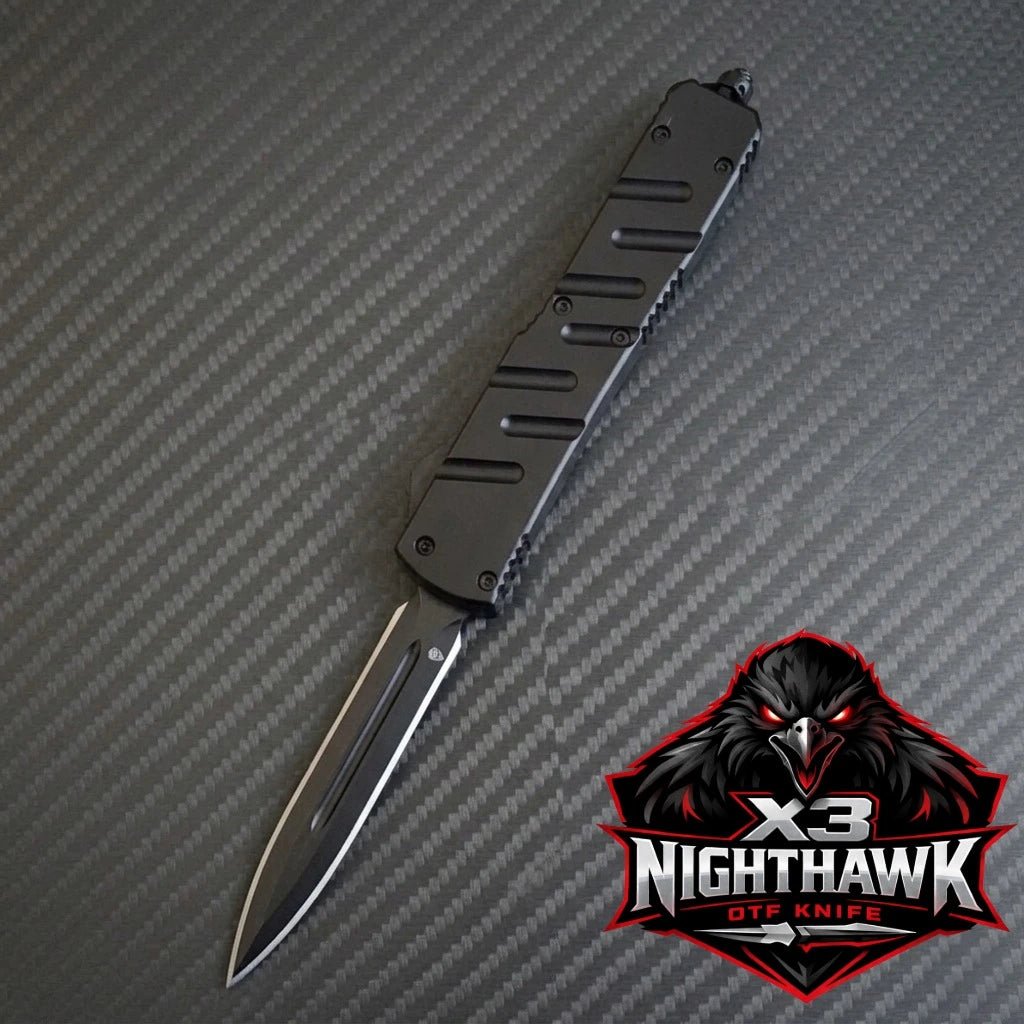
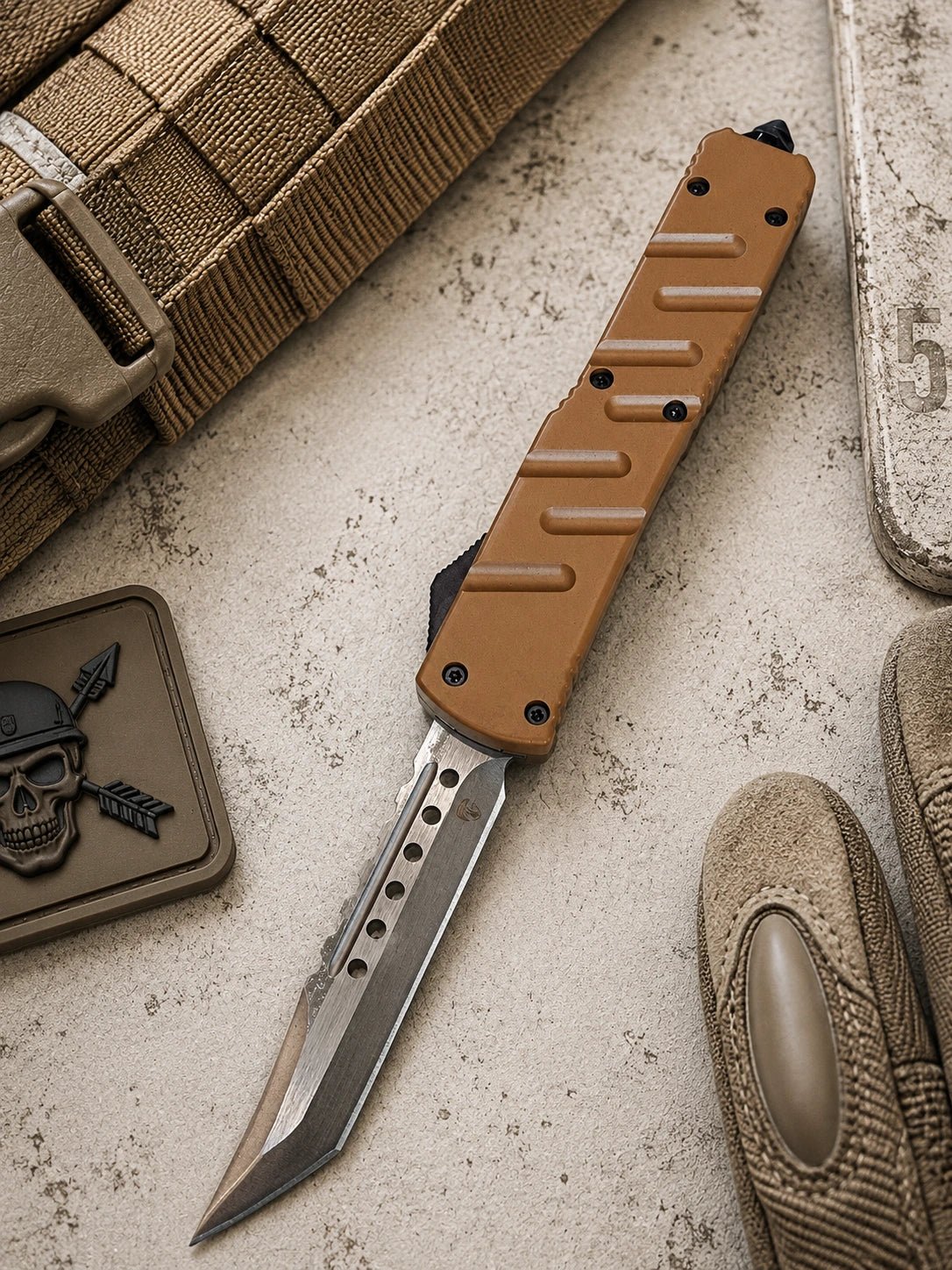
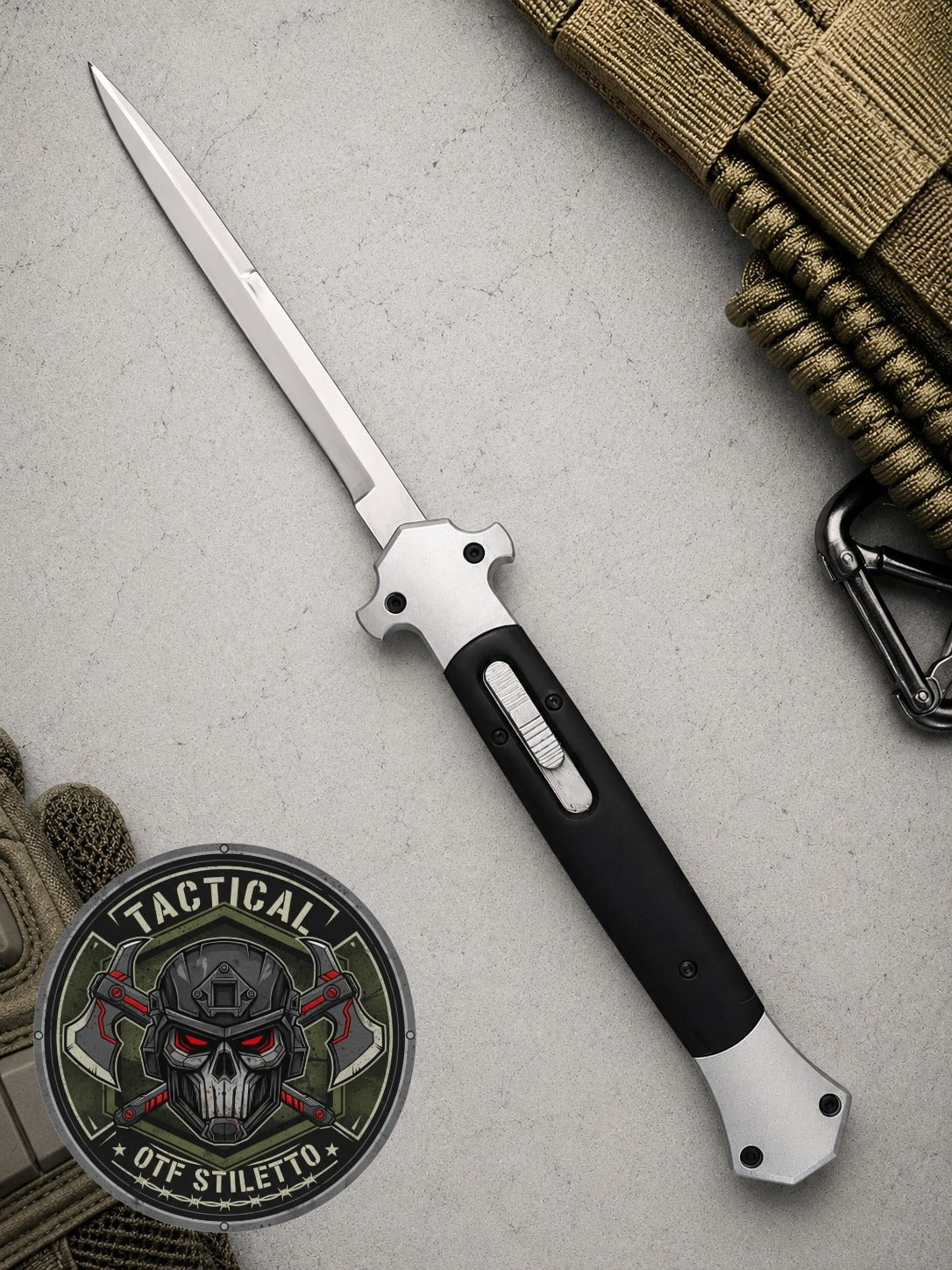
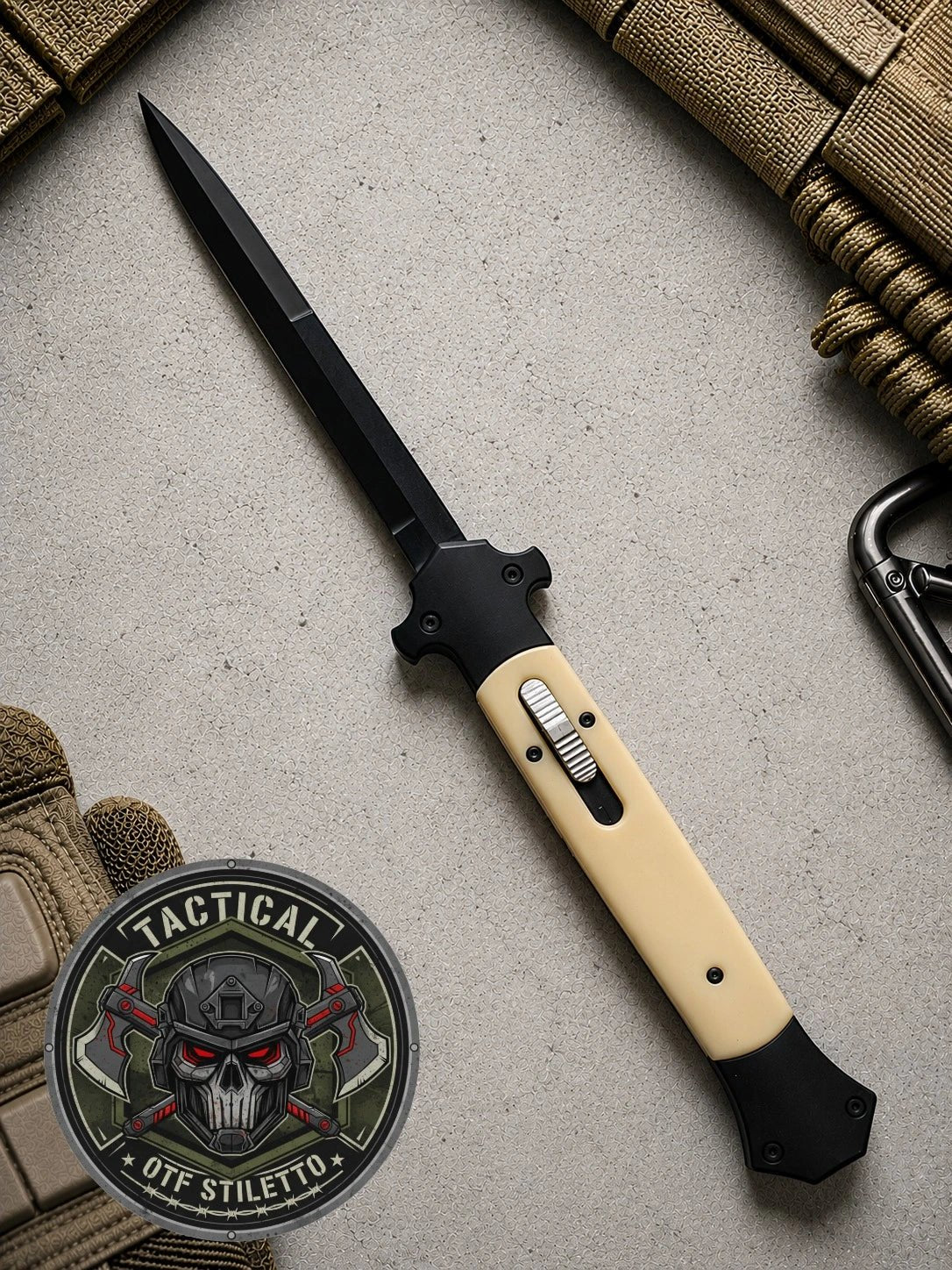
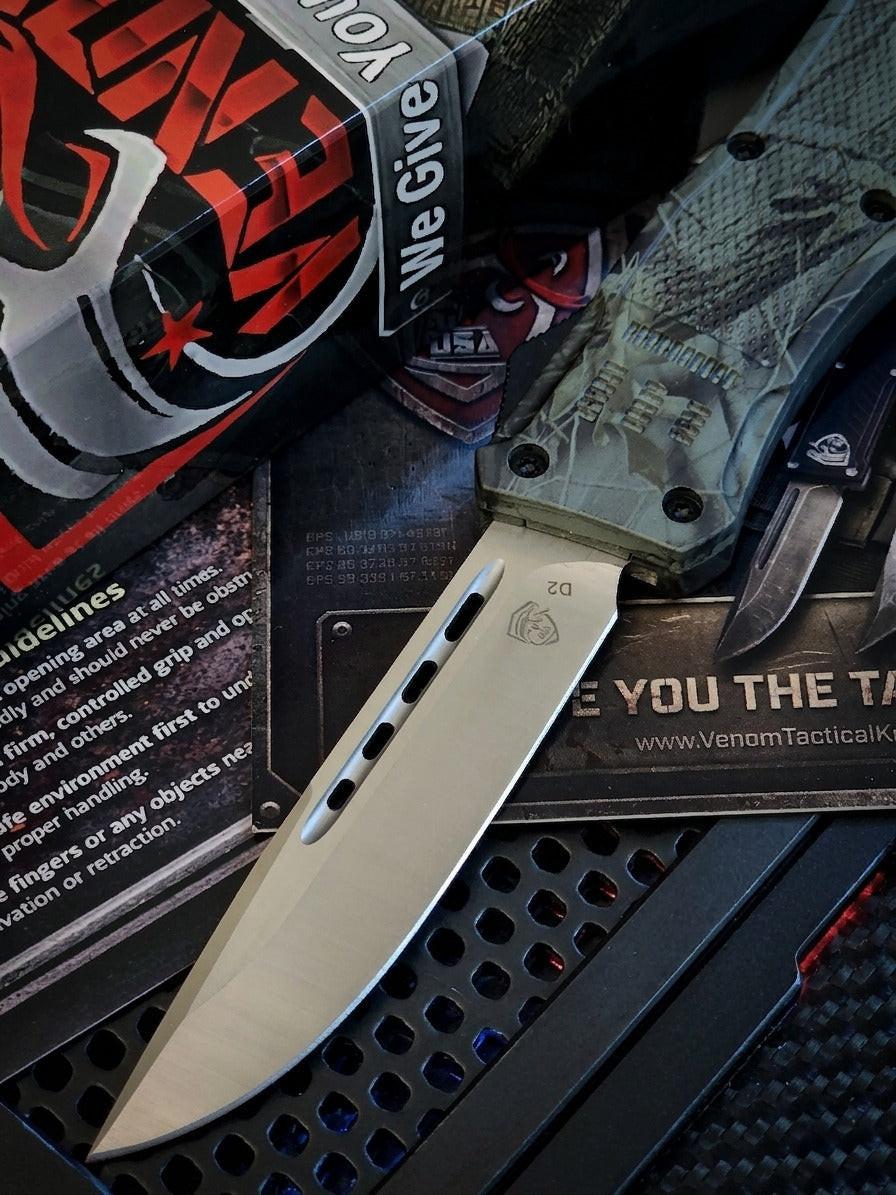
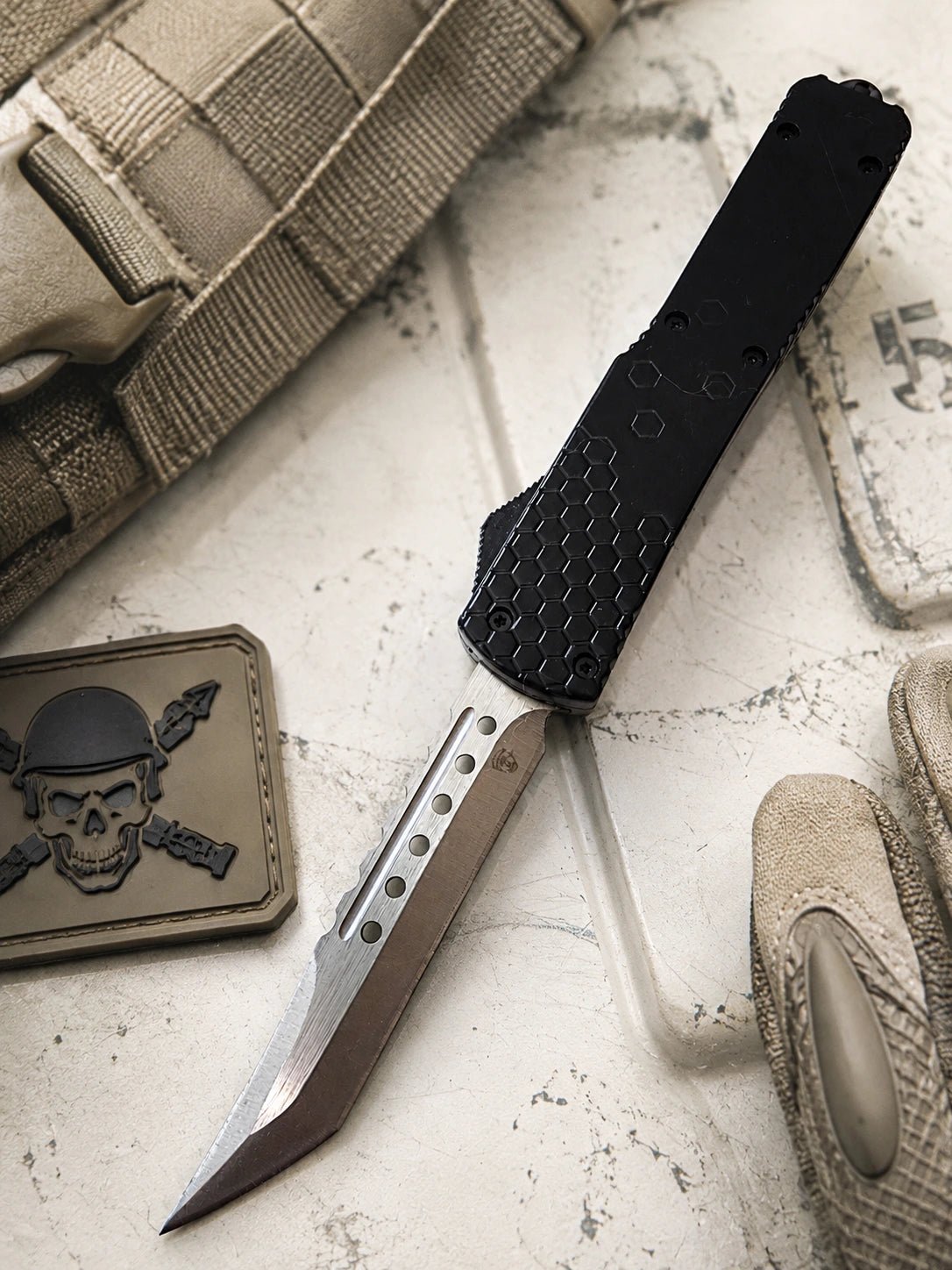
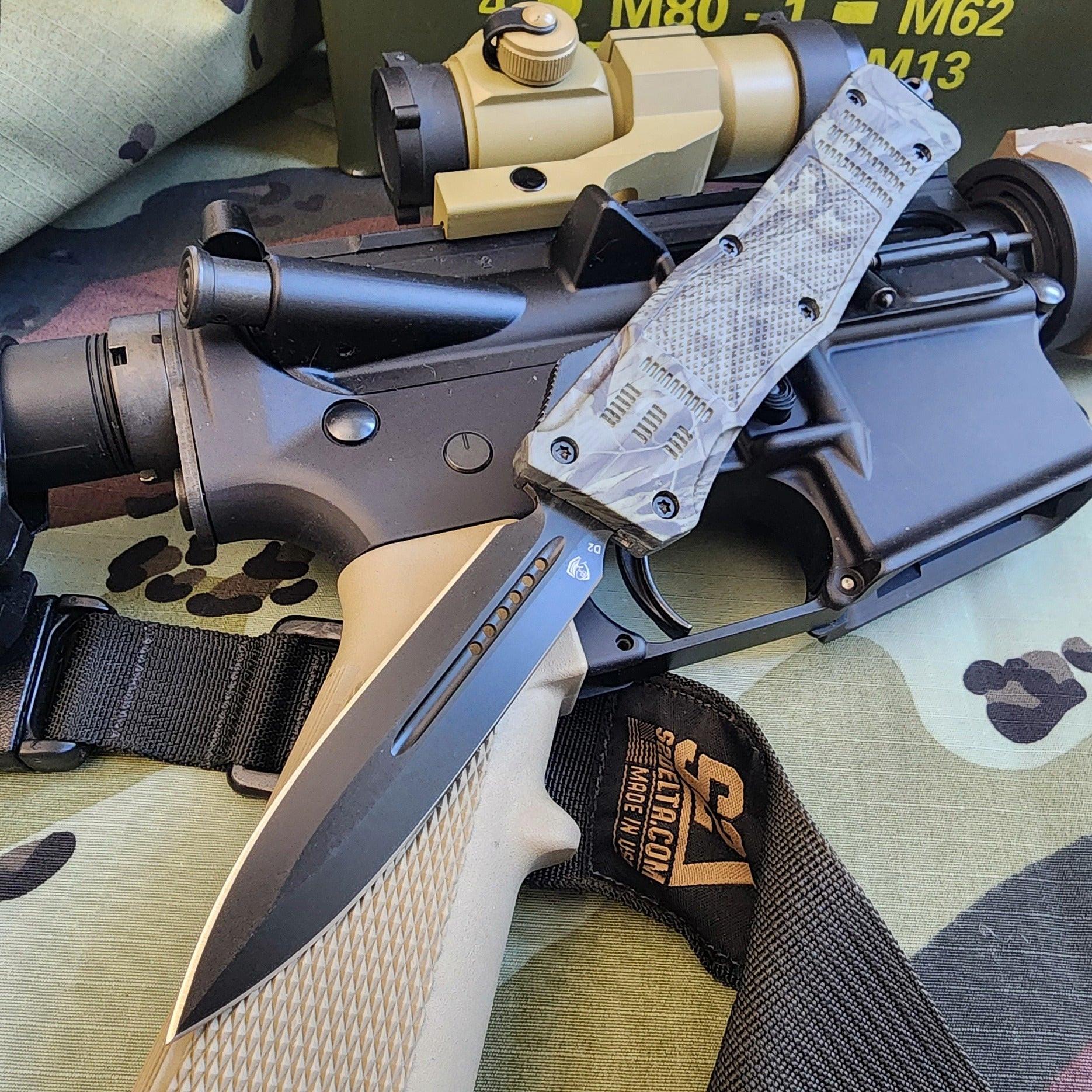
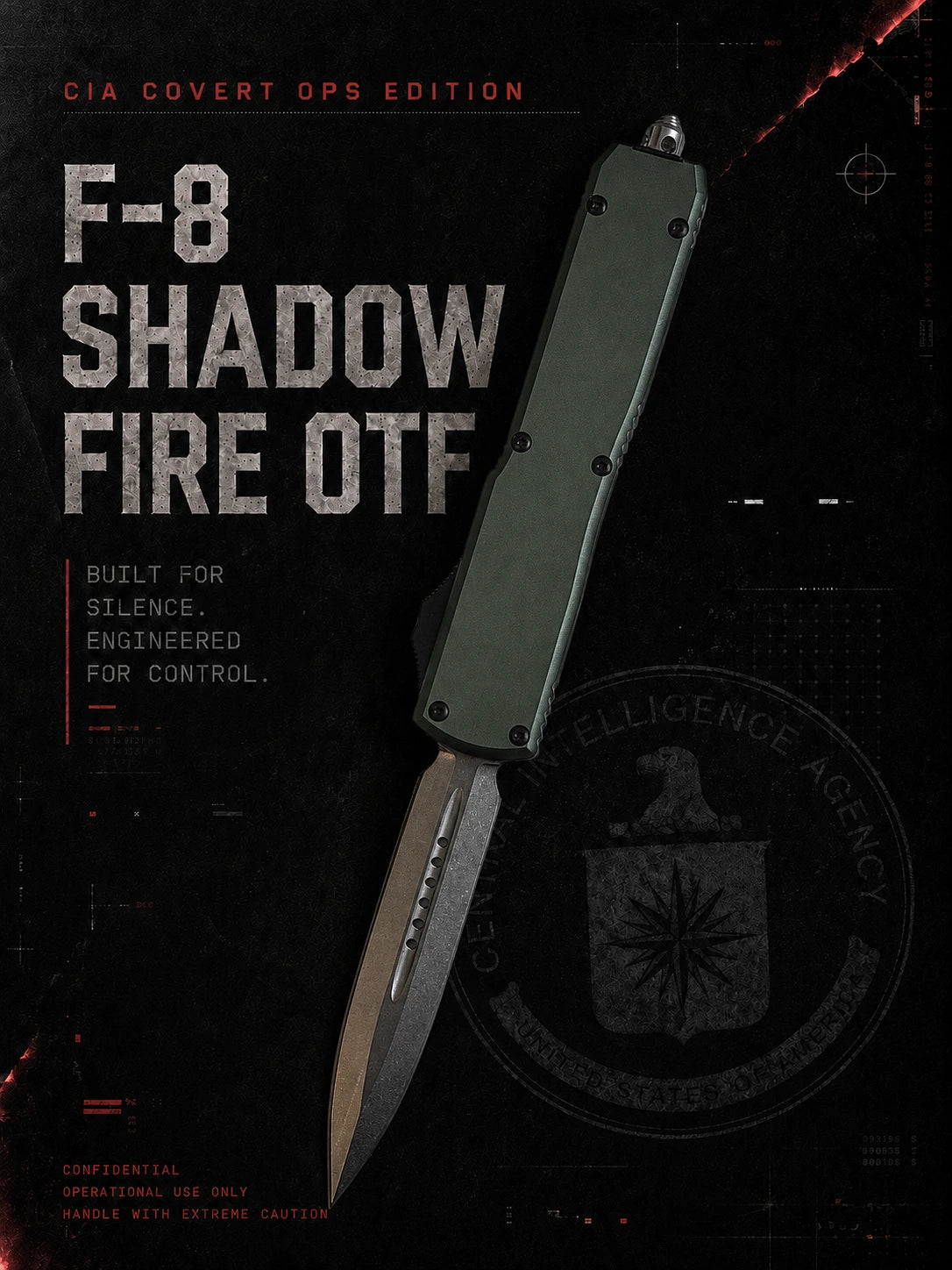
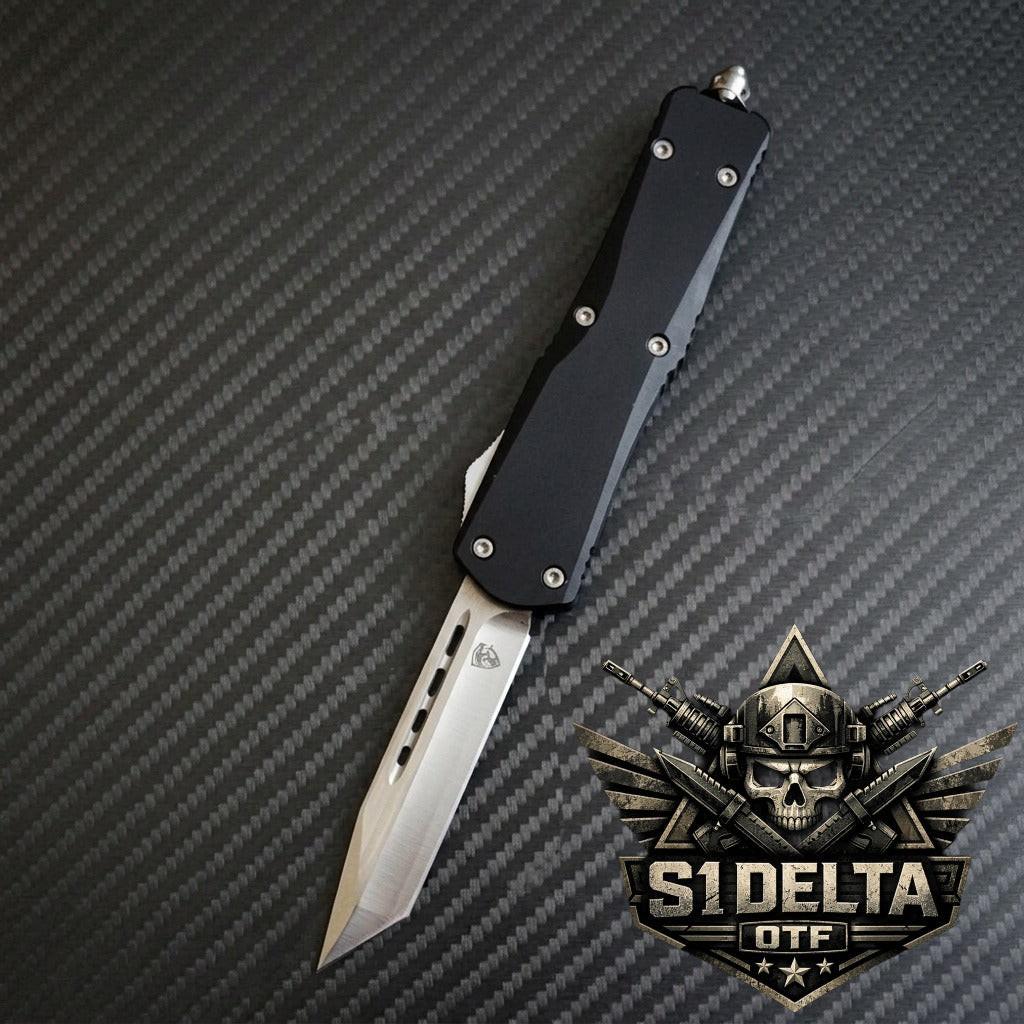
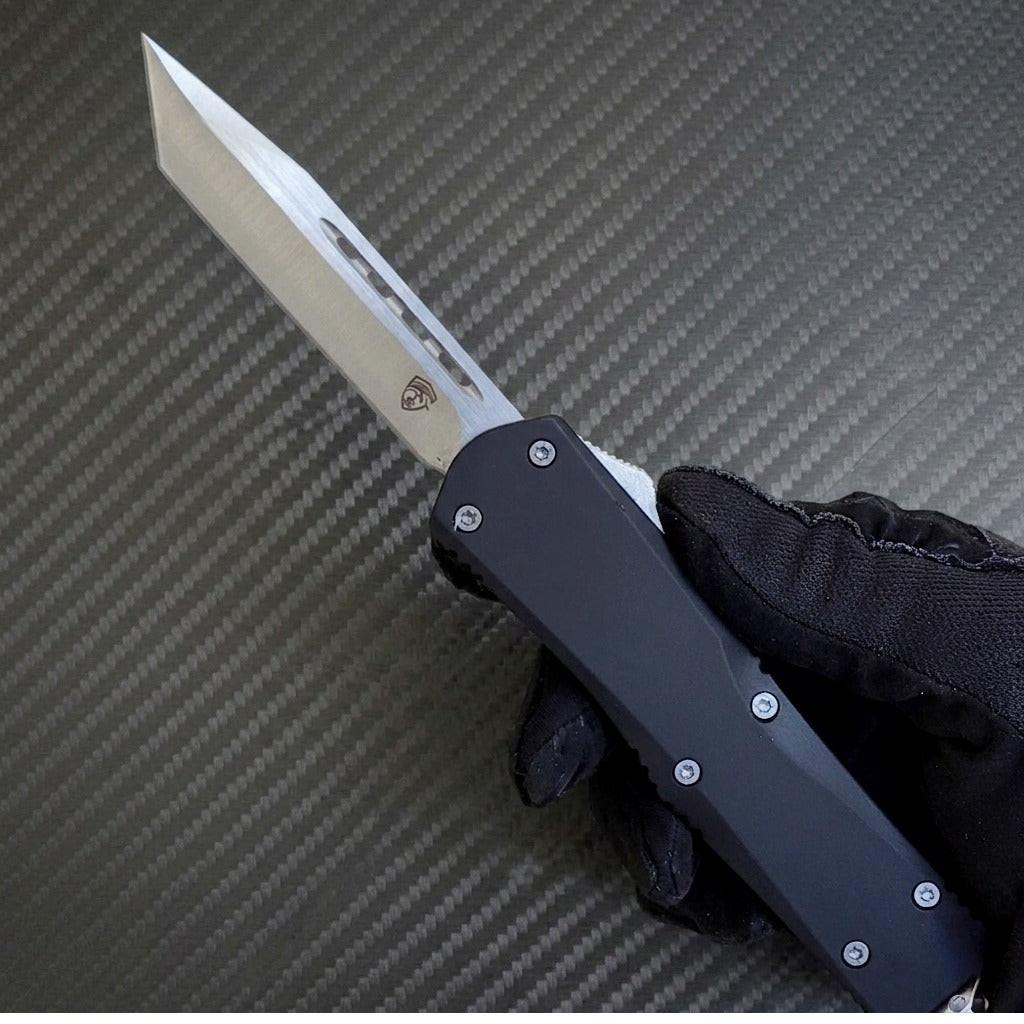
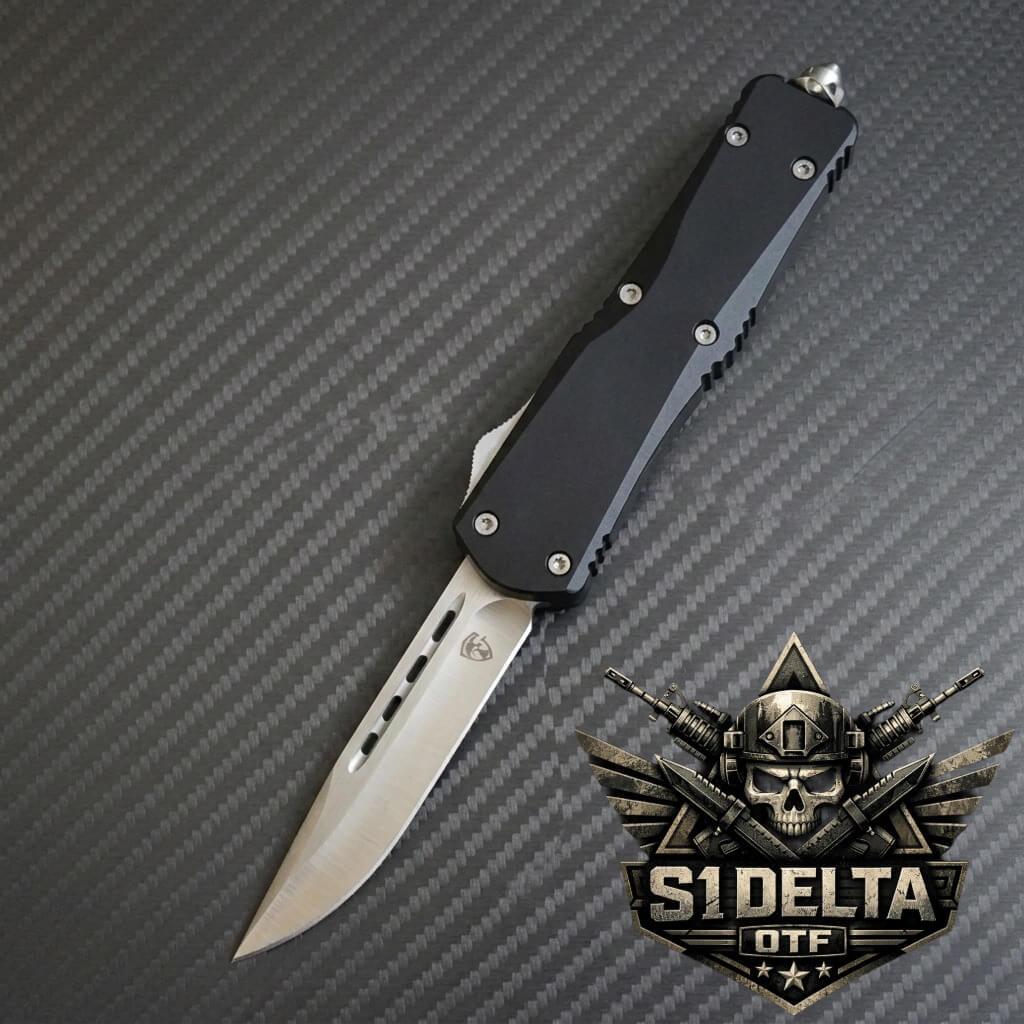
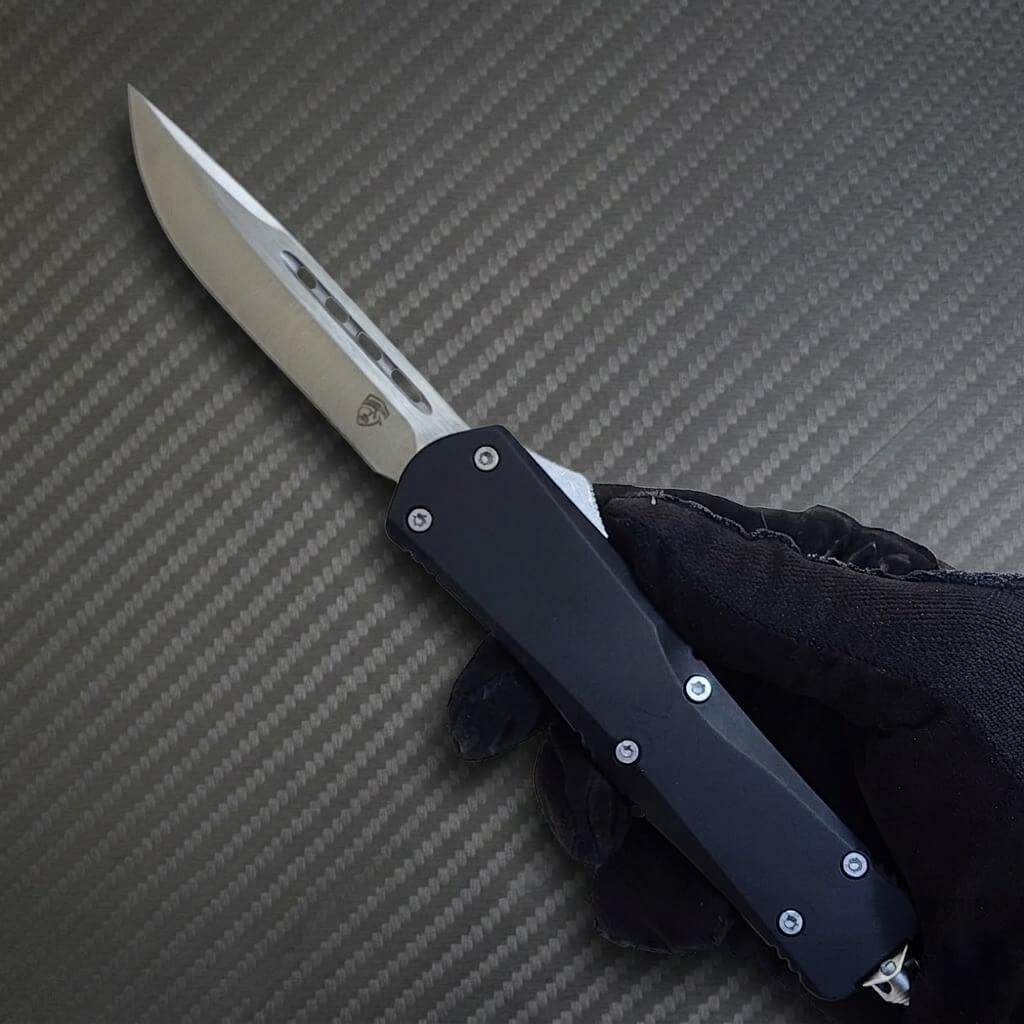
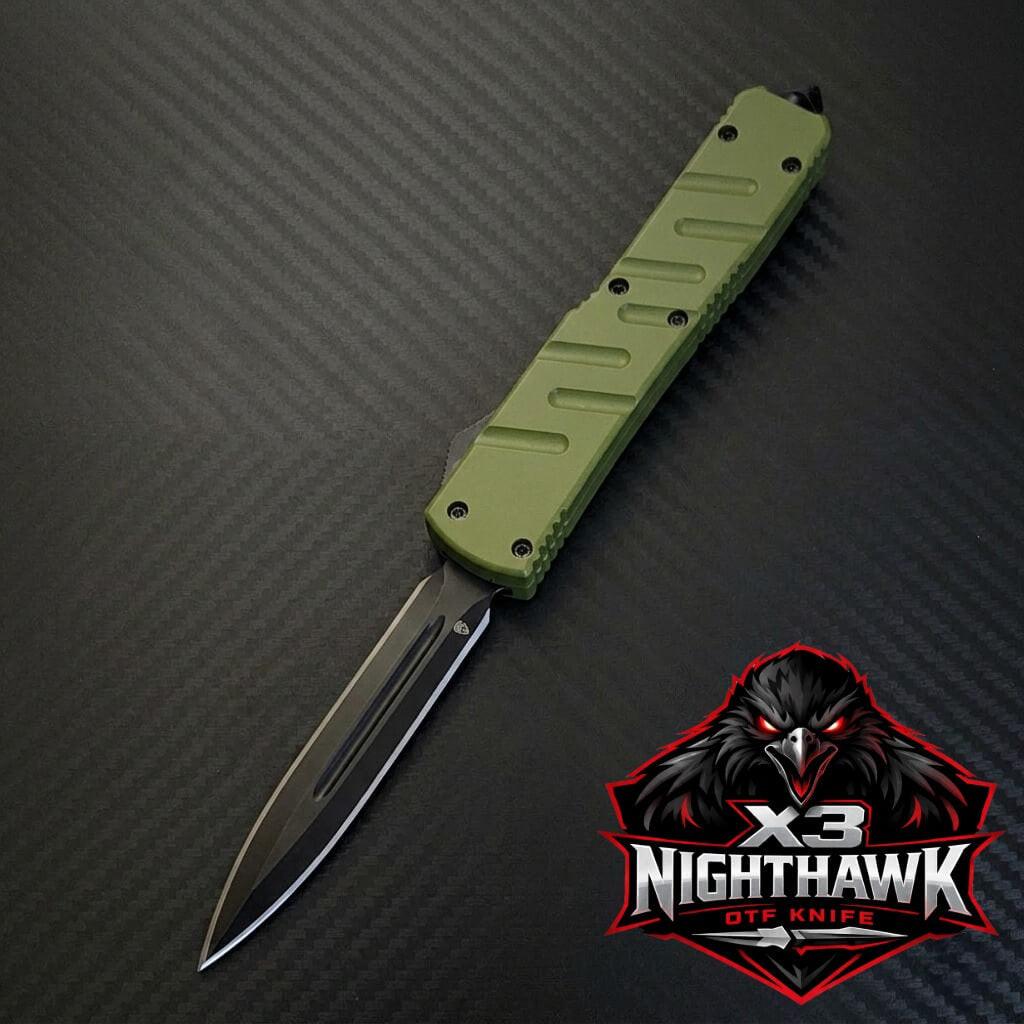
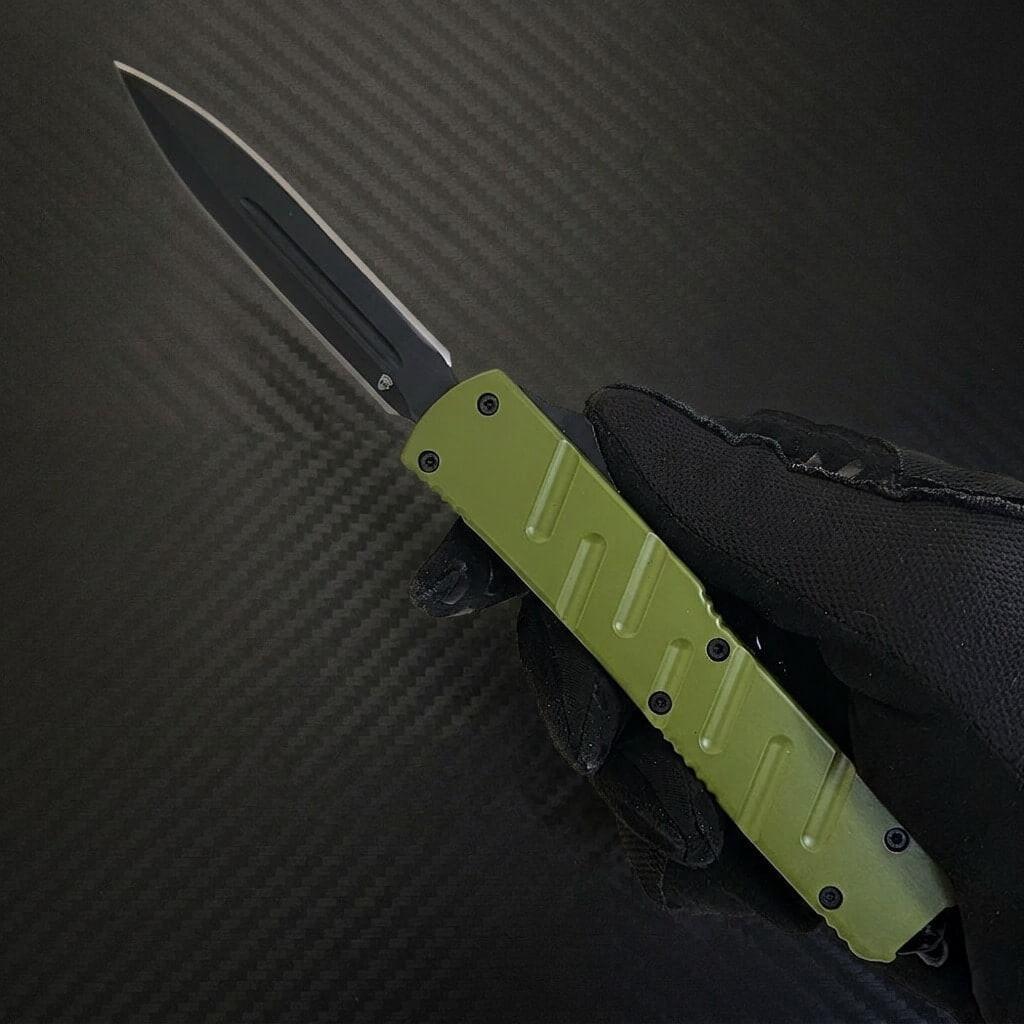
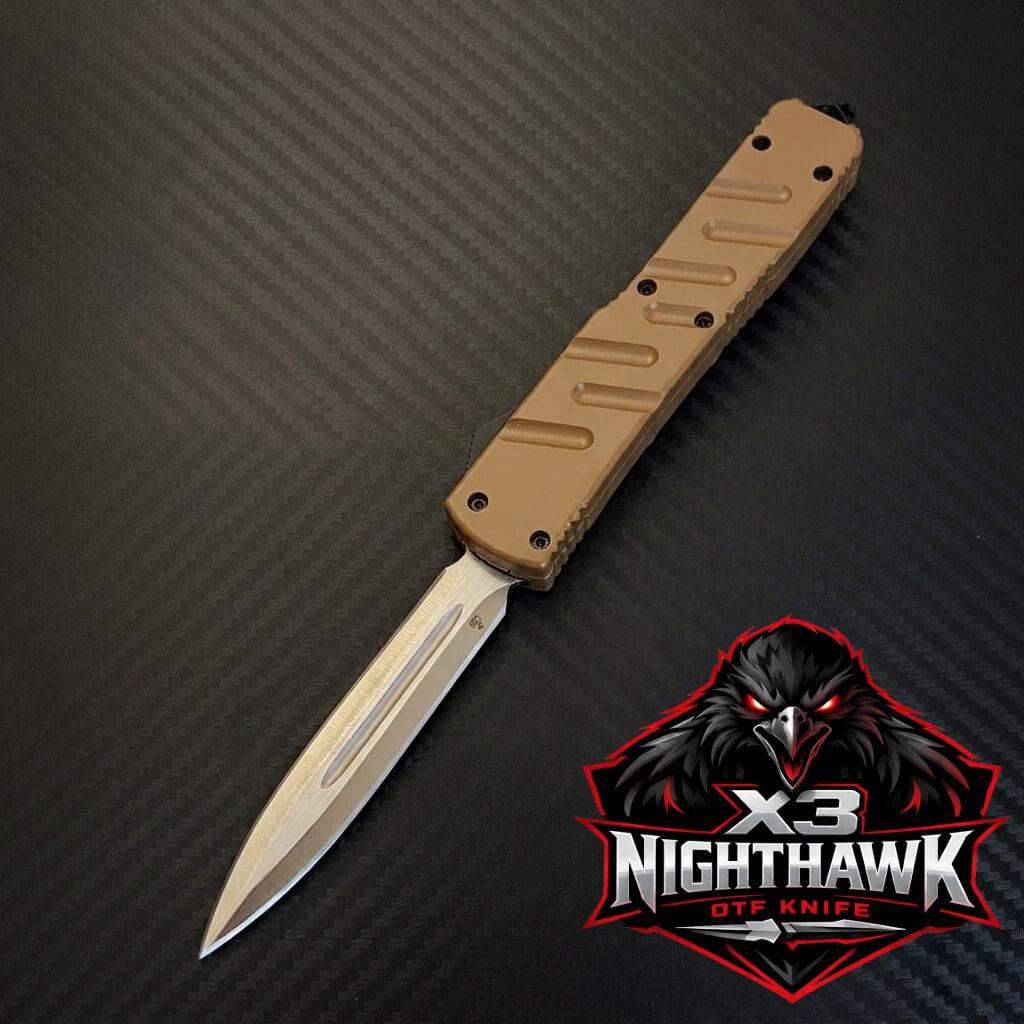
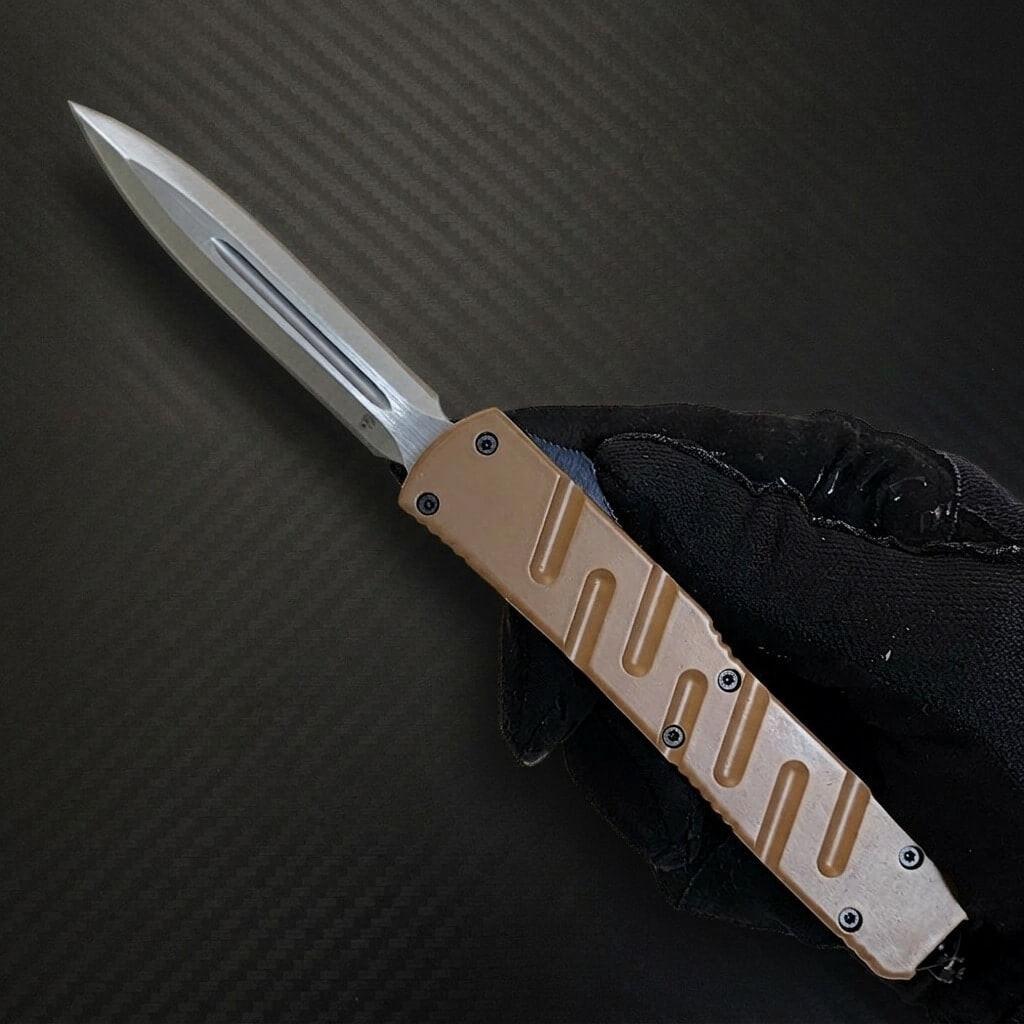
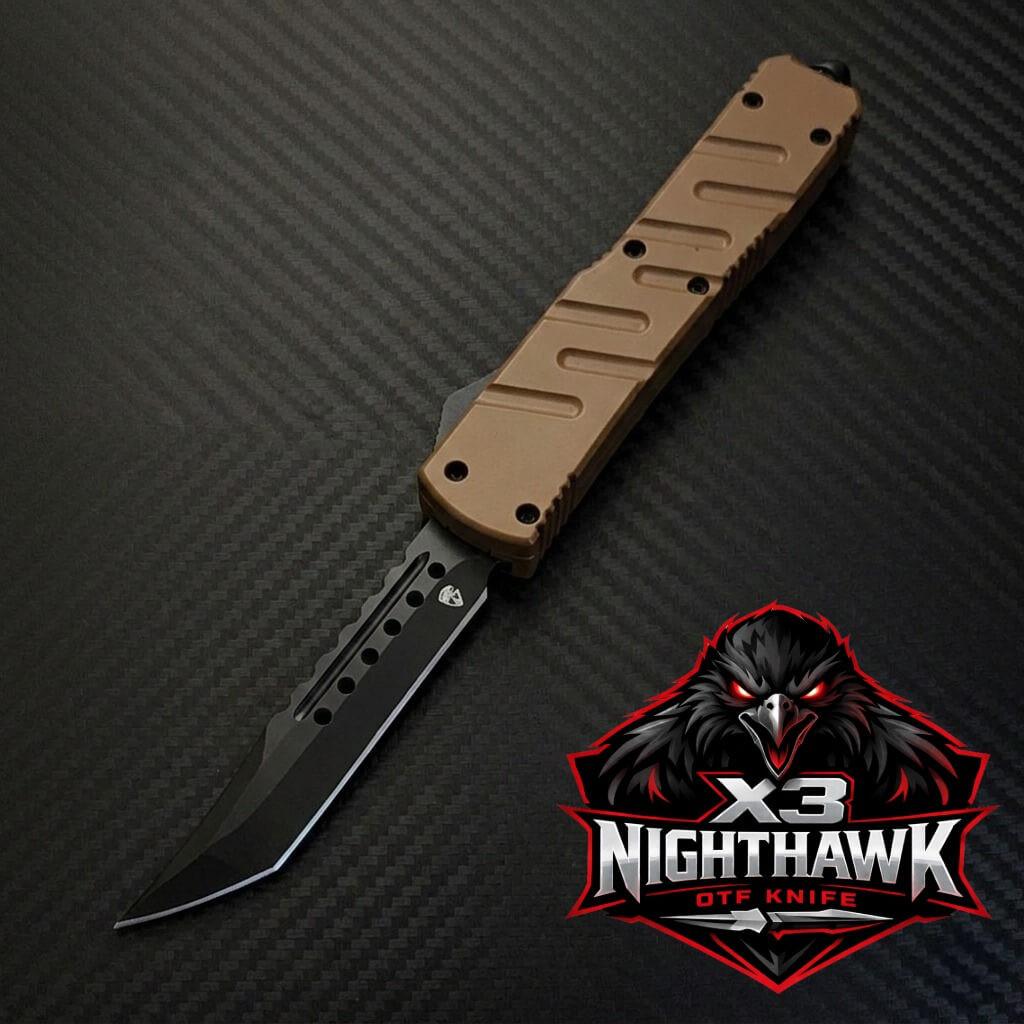
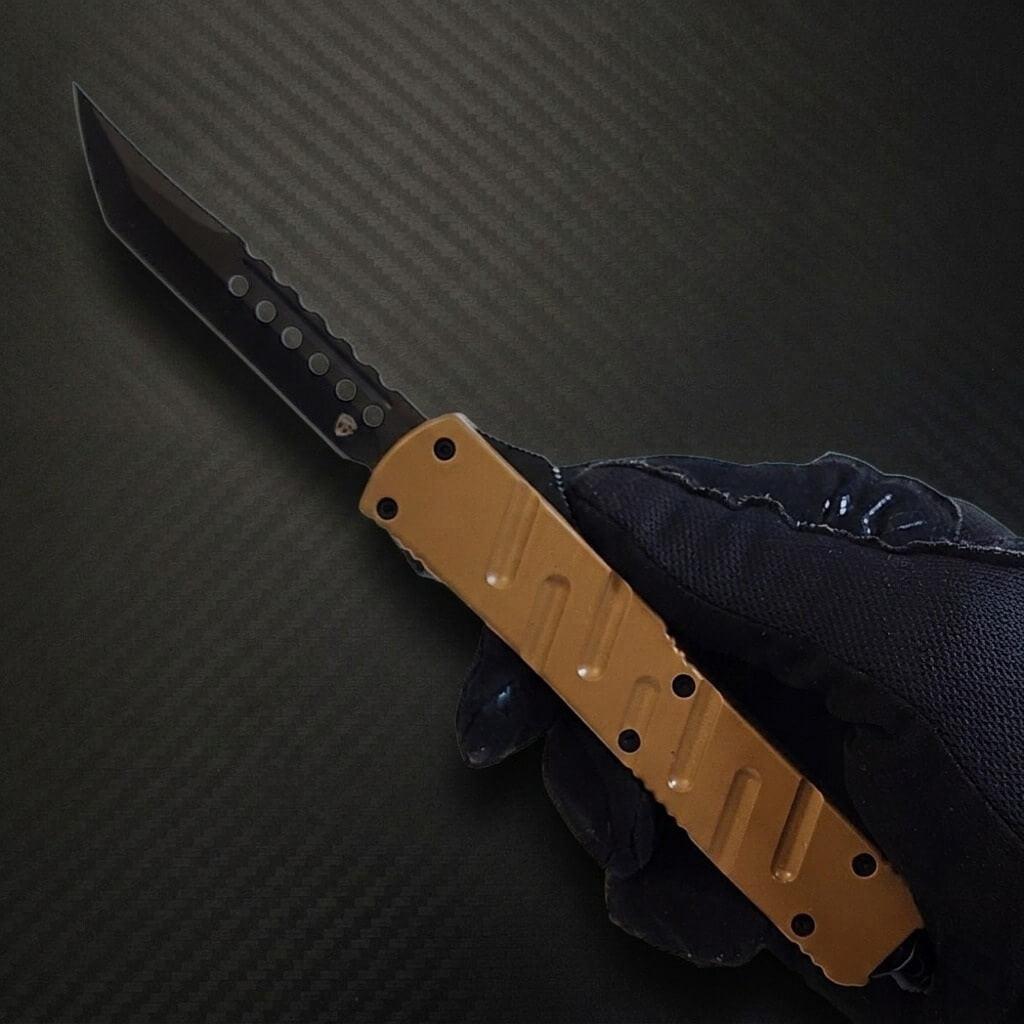
Drop point blades offer excellent versatility for everyday cutting, while tanto blades provide reinforced tips that excel at piercing and demanding utility work. Double-edge blades are favored by many collectors because of their symmetrical appearance, while partially serrated options add versatility for cutting rope, webbing, and other fibrous materials.
Handle Materials
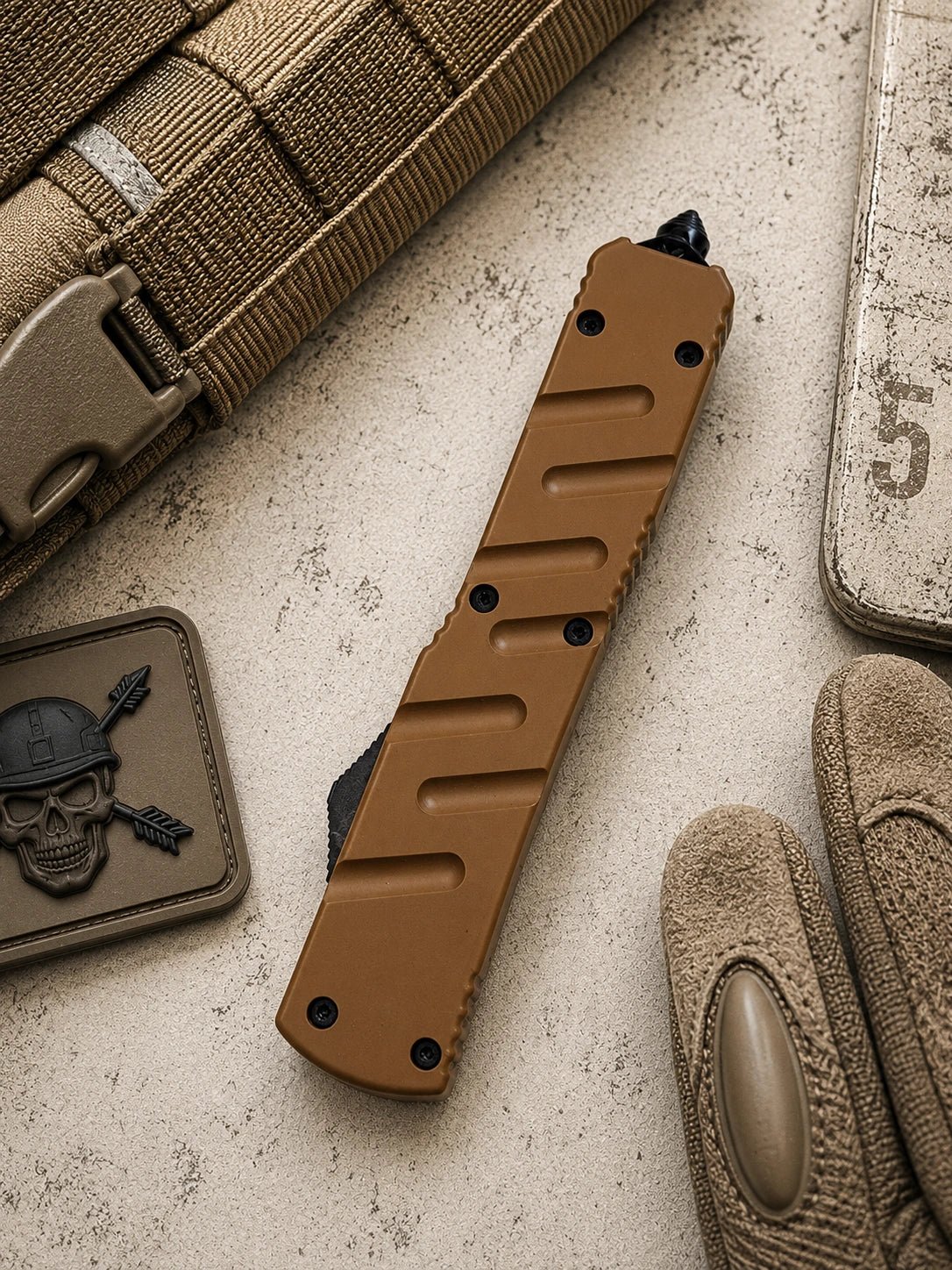
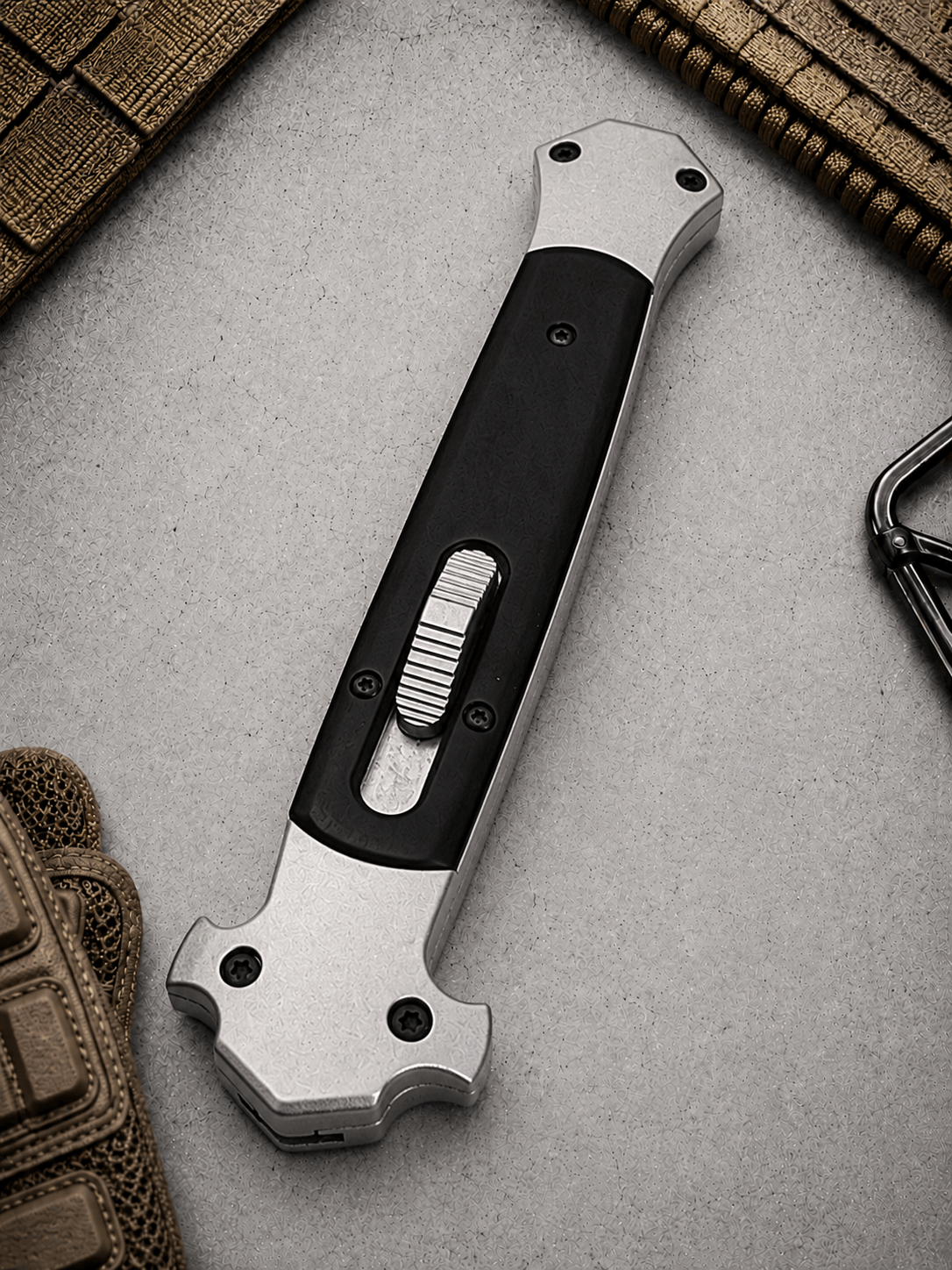
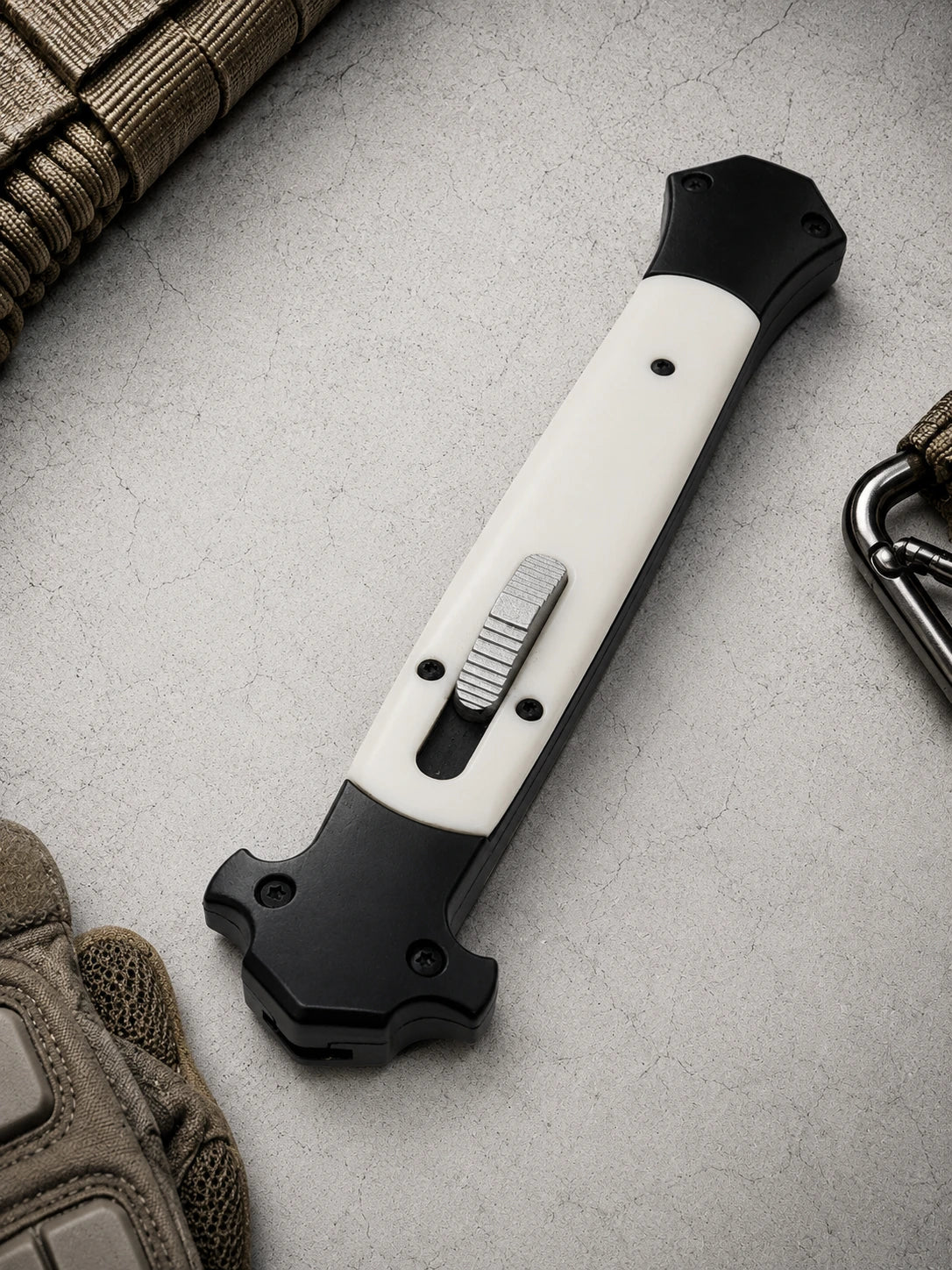
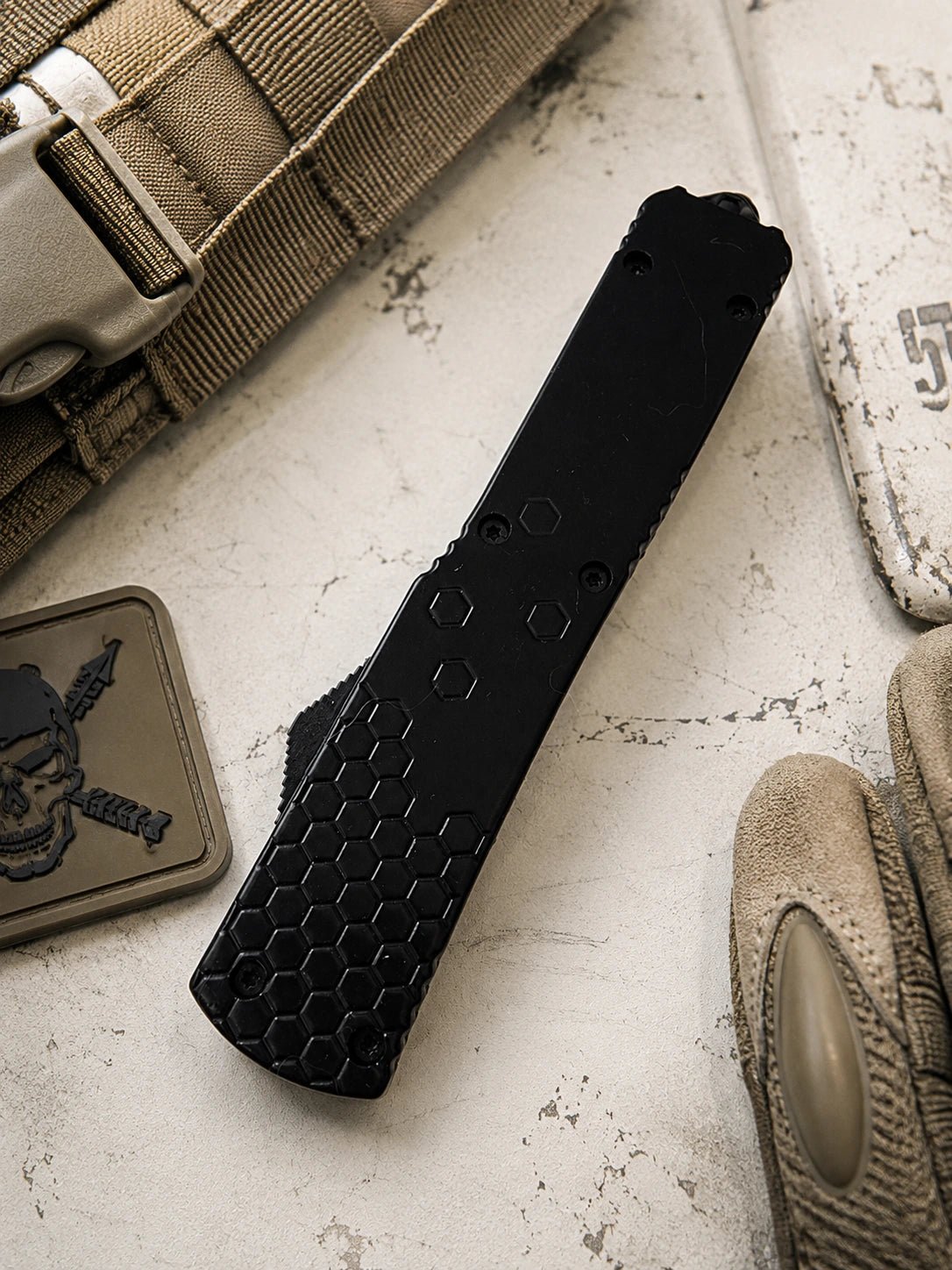
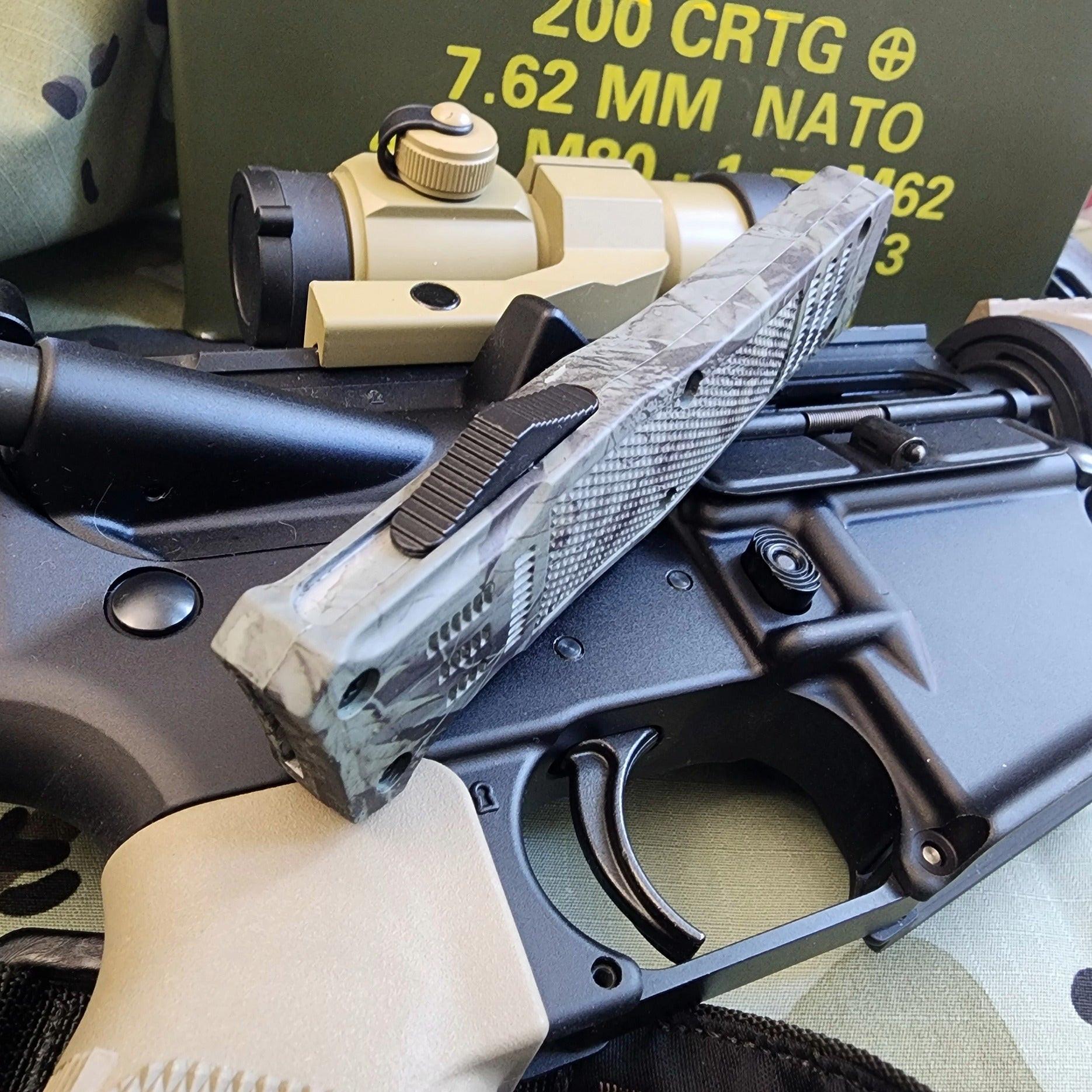
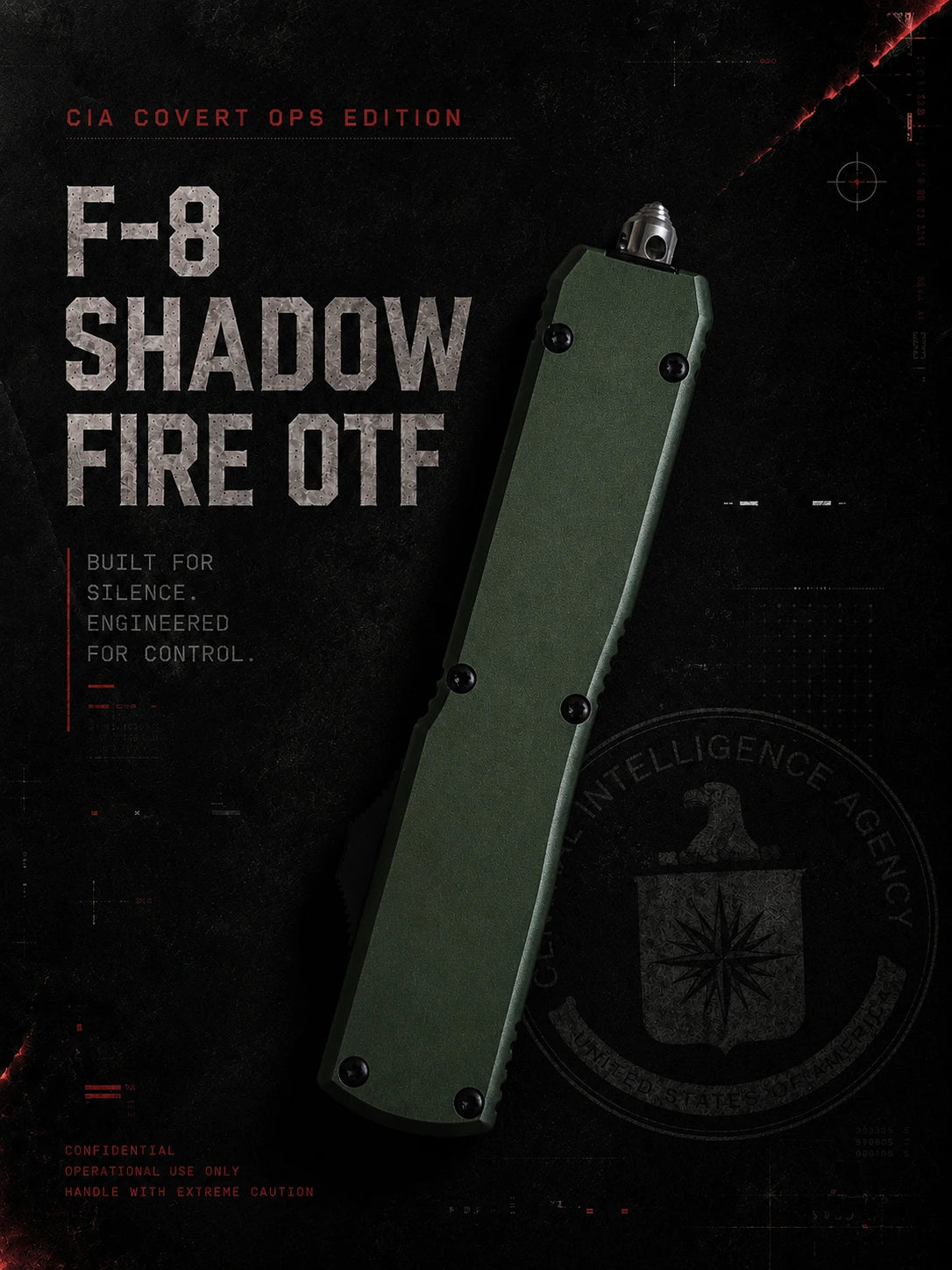
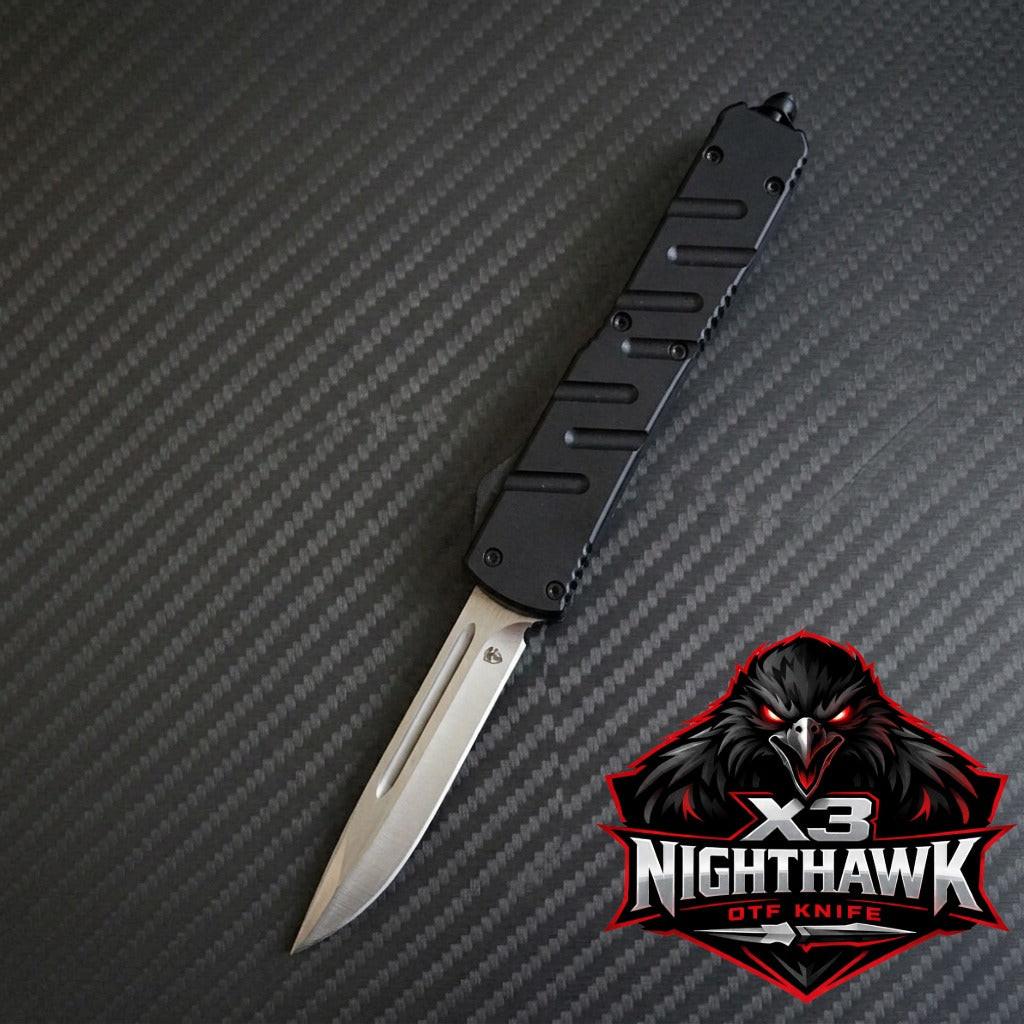
Aircraft-grade aluminum remains one of the most popular handle materials because it offers an excellent combination of strength, lightweight performance, and corrosion resistance. Textured machining improves grip while maintaining a slim profile suitable for pocket carry.
Deployment System
Most modern buyers choose double-action OTF knives because the same thumb slide both deploys and retracts the blade, making operation fast and intuitive.
Understanding Blade Steel Performance
One of the biggest differences between entry-level and premium OTF knives is the blade steel.
Higher-end steels such as M390, M390MK, and CPM S30V offer exceptional wear resistance, longer edge retention, and outstanding corrosion resistance, making them excellent choices for users who expect demanding performance.
Steels such as D2, 440C, and 440A remain popular because they provide dependable cutting performance at a more affordable price point while being easier to sharpen.
The best blade steel ultimately depends on how frequently the knife will be used, the environment in which it will be carried, and the balance you prefer between edge retention, corrosion resistance, toughness, and ease of maintenance.
OTF Knife Care and Maintenance
Routine maintenance helps any automatic knife continue operating smoothly.
Keeping the blade clean, removing lint or debris from the opening, applying a light lubricant when appropriate, and periodically checking the screws for proper tightness can help maintain consistent deployment. Proper storage in a clean, dry environment also helps preserve the blade finish and protect against corrosion.
Following the manufacturer's care recommendations ensures the knife continues performing as intended while extending its service life.
Frequently Asked Questions About OTF Knives
Are OTF knives reliable?
Modern OTF knives from reputable manufacturers are engineered for dependable deployment and everyday performance when properly maintained.
Which blade style is best?
Drop point blades provide excellent all-around utility, while tanto blades offer added tip strength. Double-edge and bayonet blades are often selected by collectors or users with specific preferences.
Which blade steel should I choose?
Premium steels such as M390 and CPM S30V offer exceptional edge retention, while D2, 440C, and 440A provide excellent value and dependable everyday performance.
Are expensive OTF knives worth it?
Higher-end models generally feature tighter machining tolerances, premium materials, superior blade steels, and smoother deployment mechanisms, making them an excellent long-term investment for frequent users.