
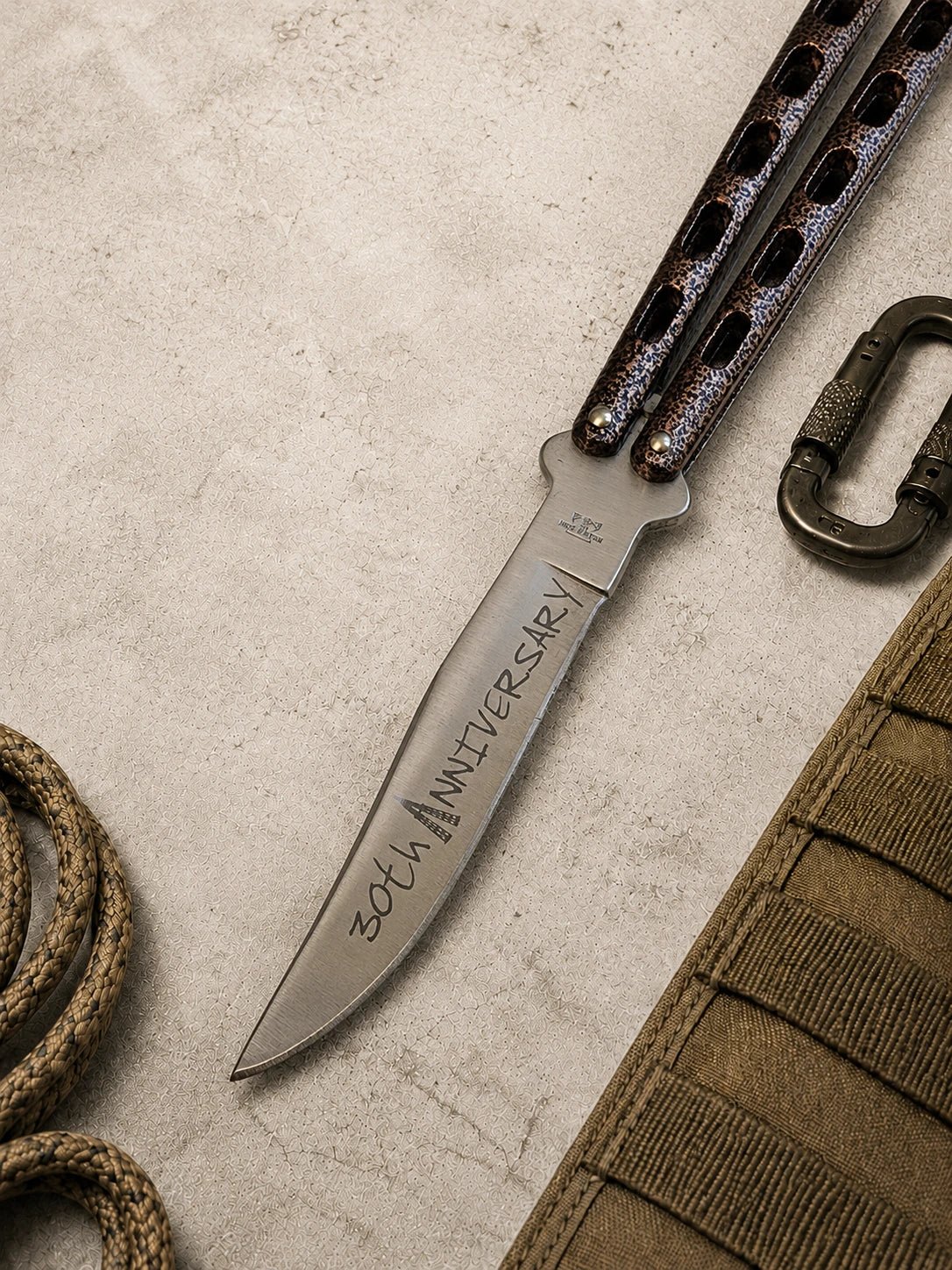
How to Choose the Type of Knife Best for Your Needs
Finding the right knife starts with how you plan to use it. Compare the opening mechanism, blade shape, size, and cutting edge to narrow down your options.
Choose your opening style
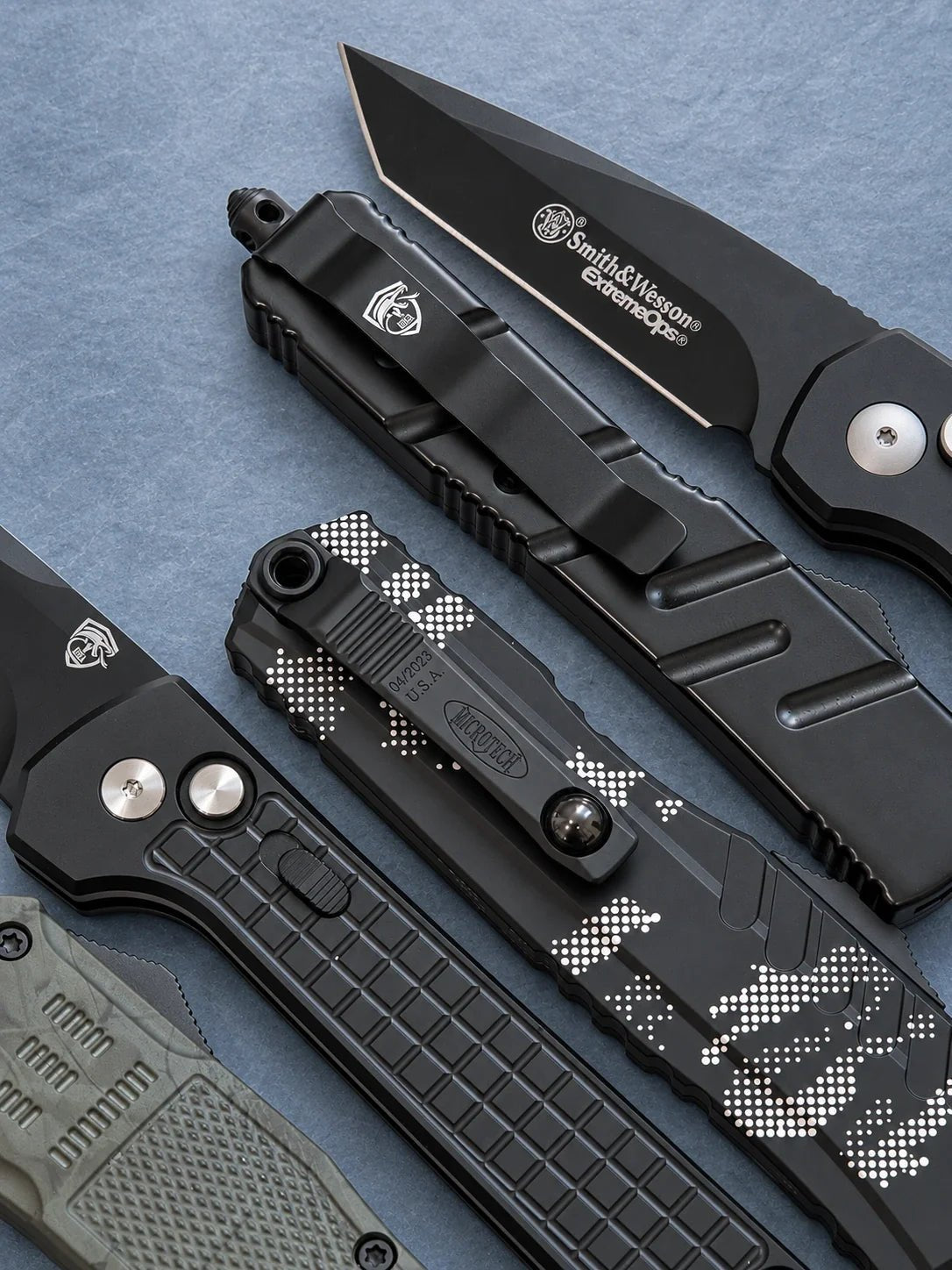
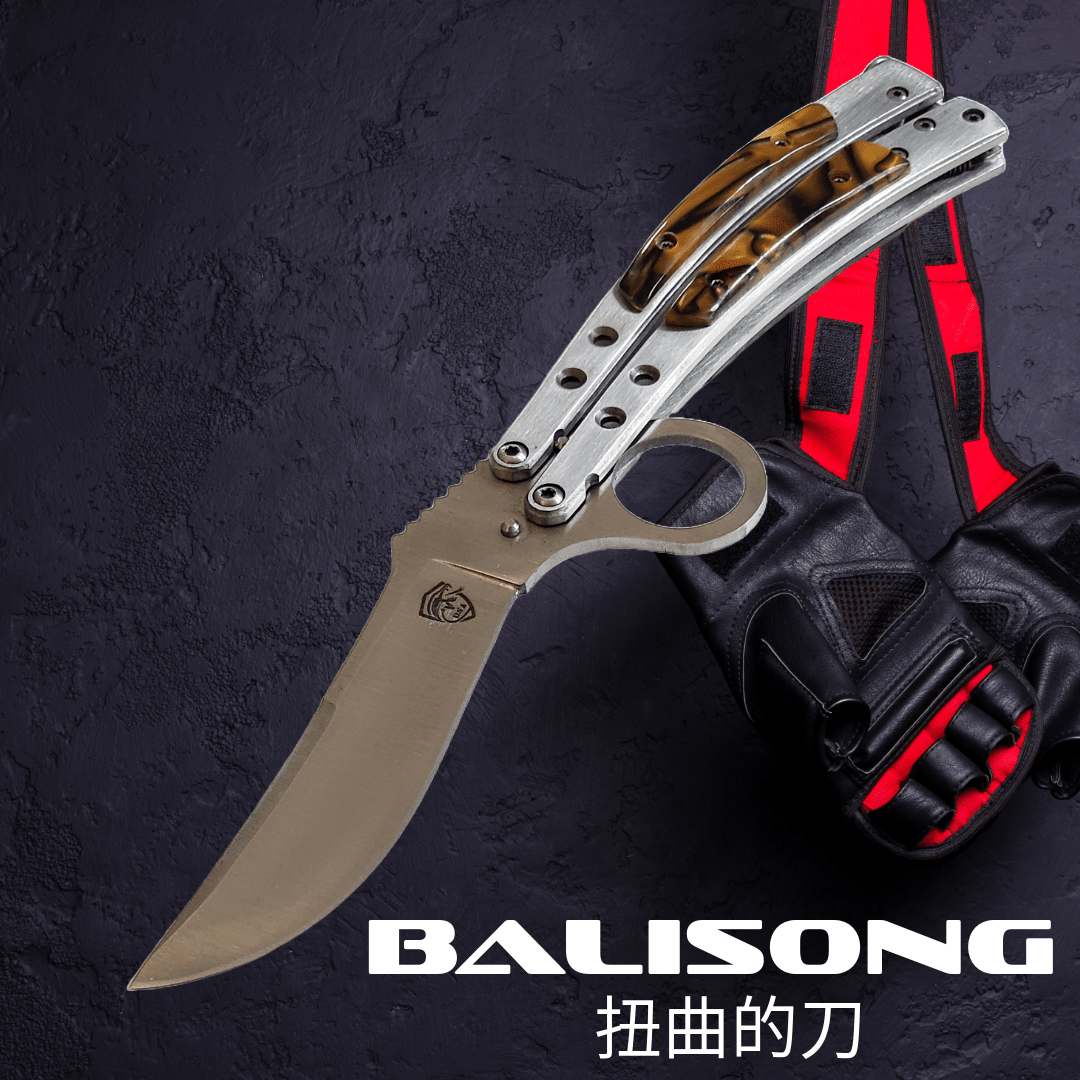
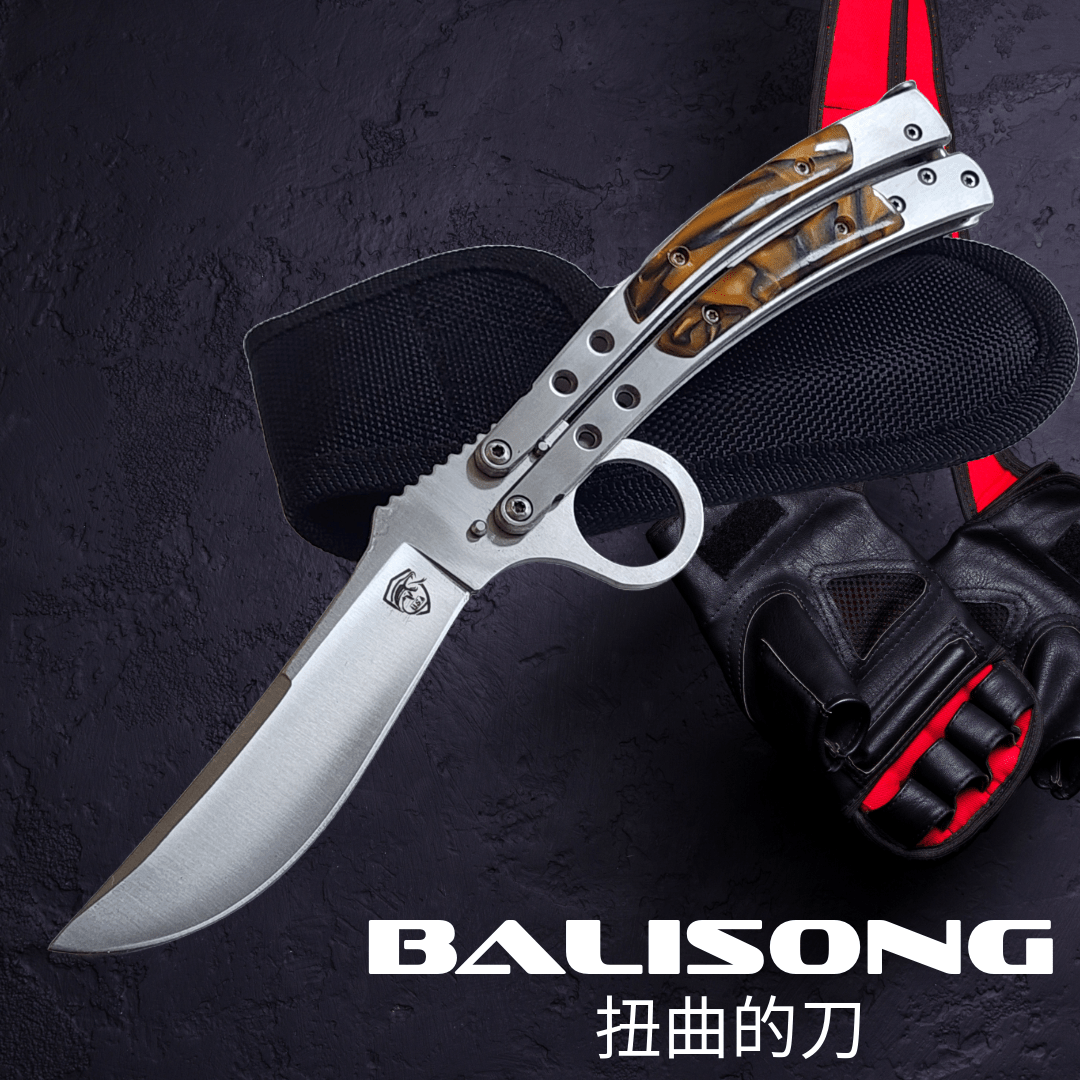
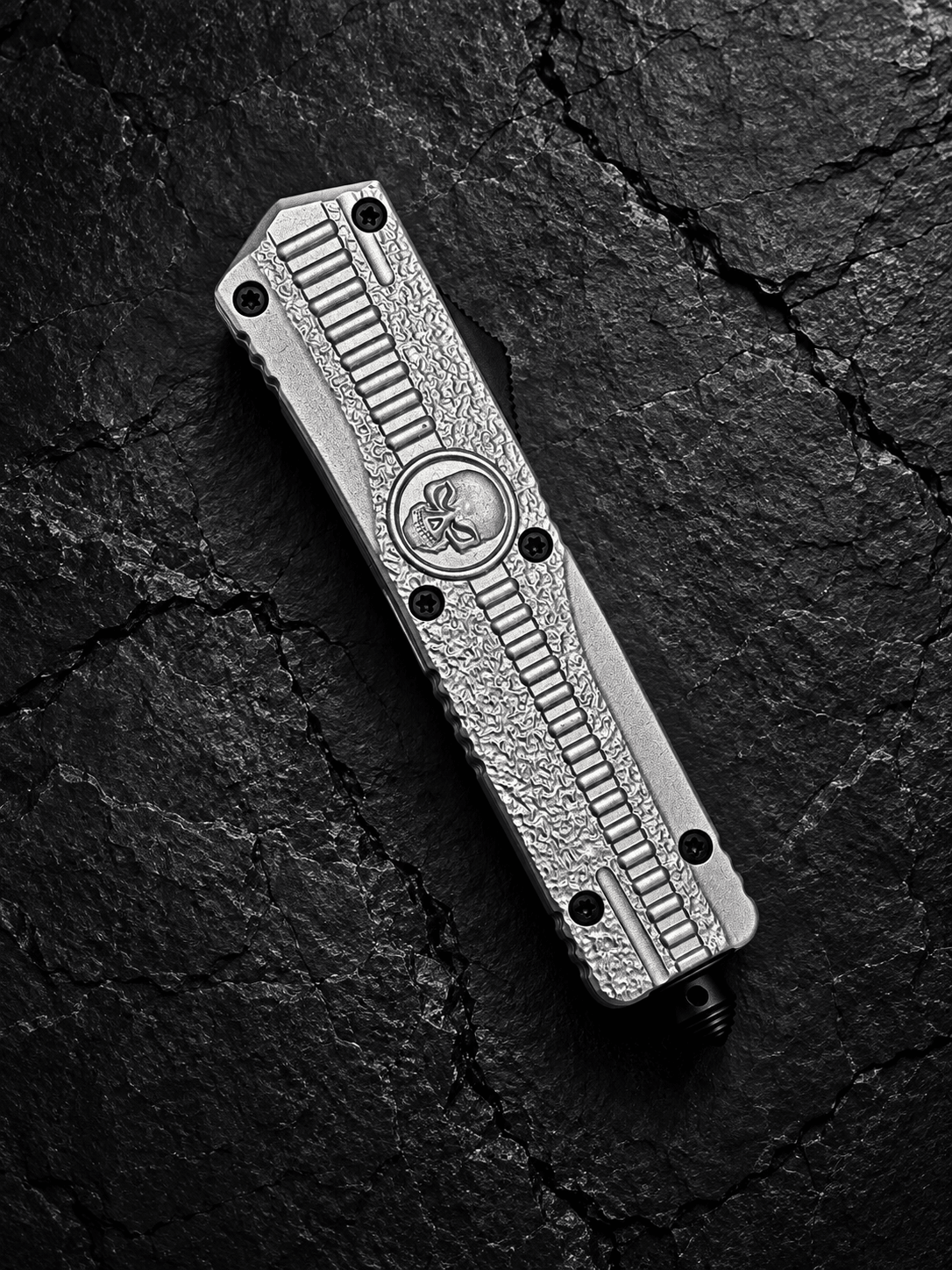
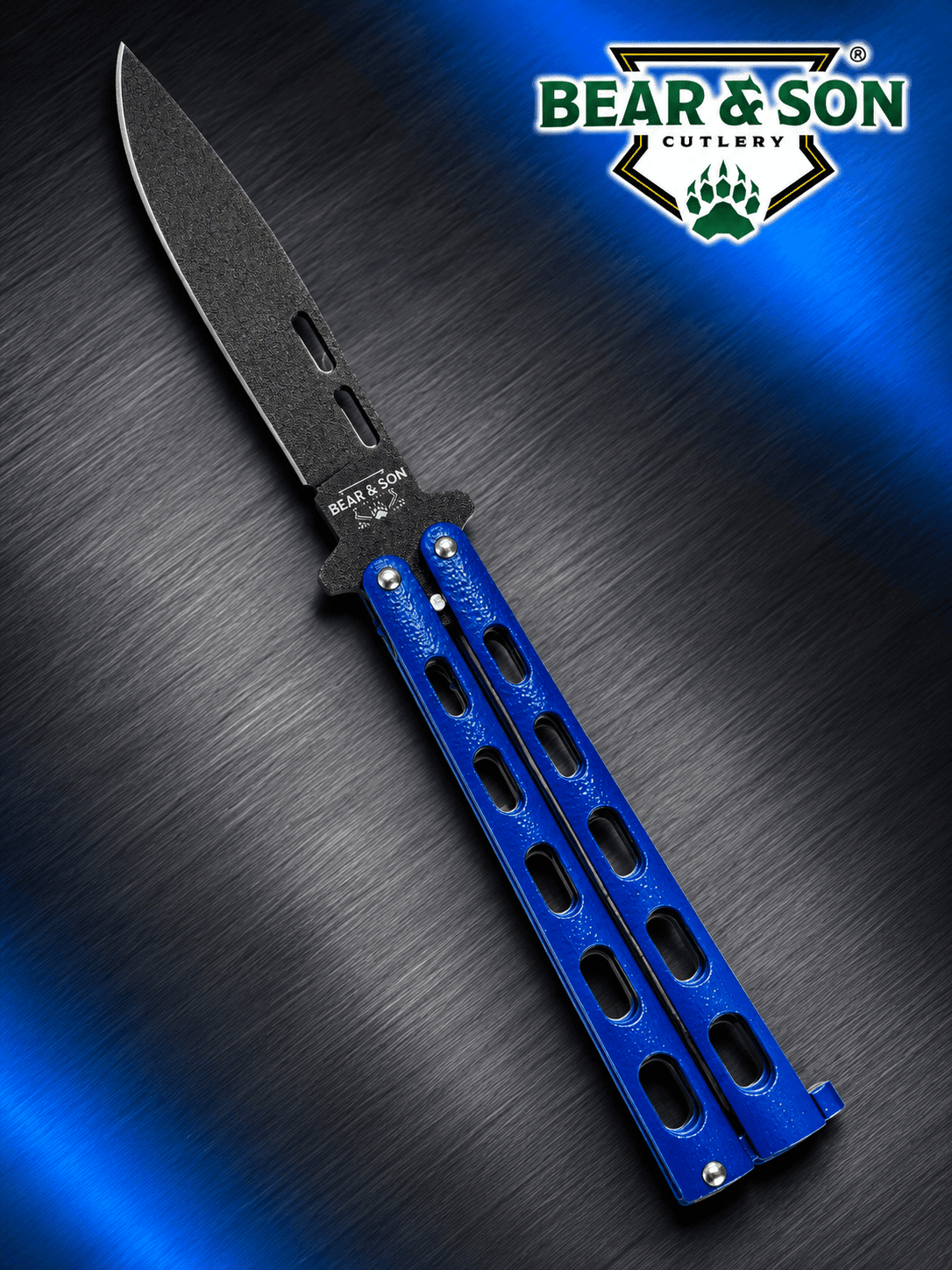
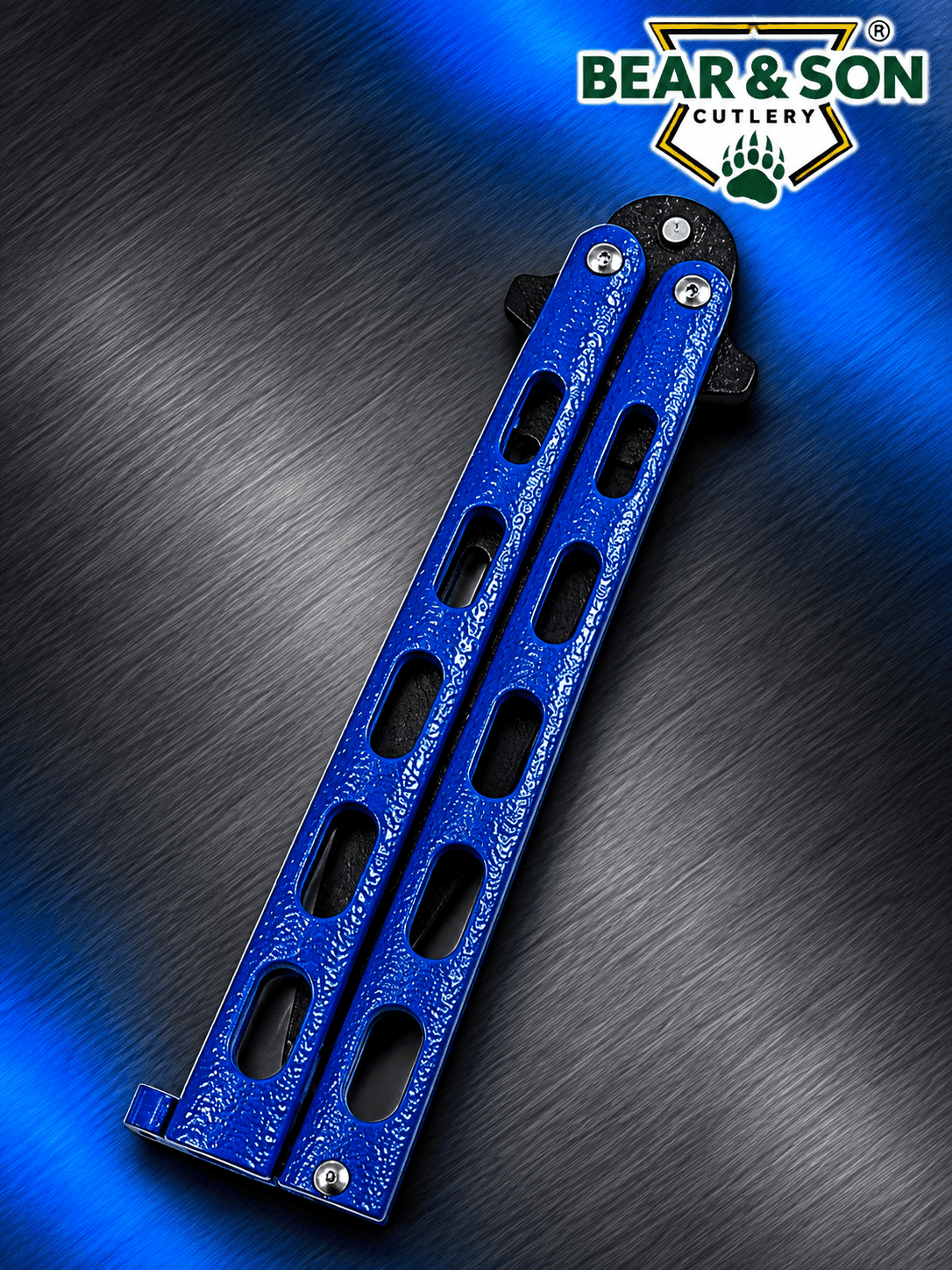
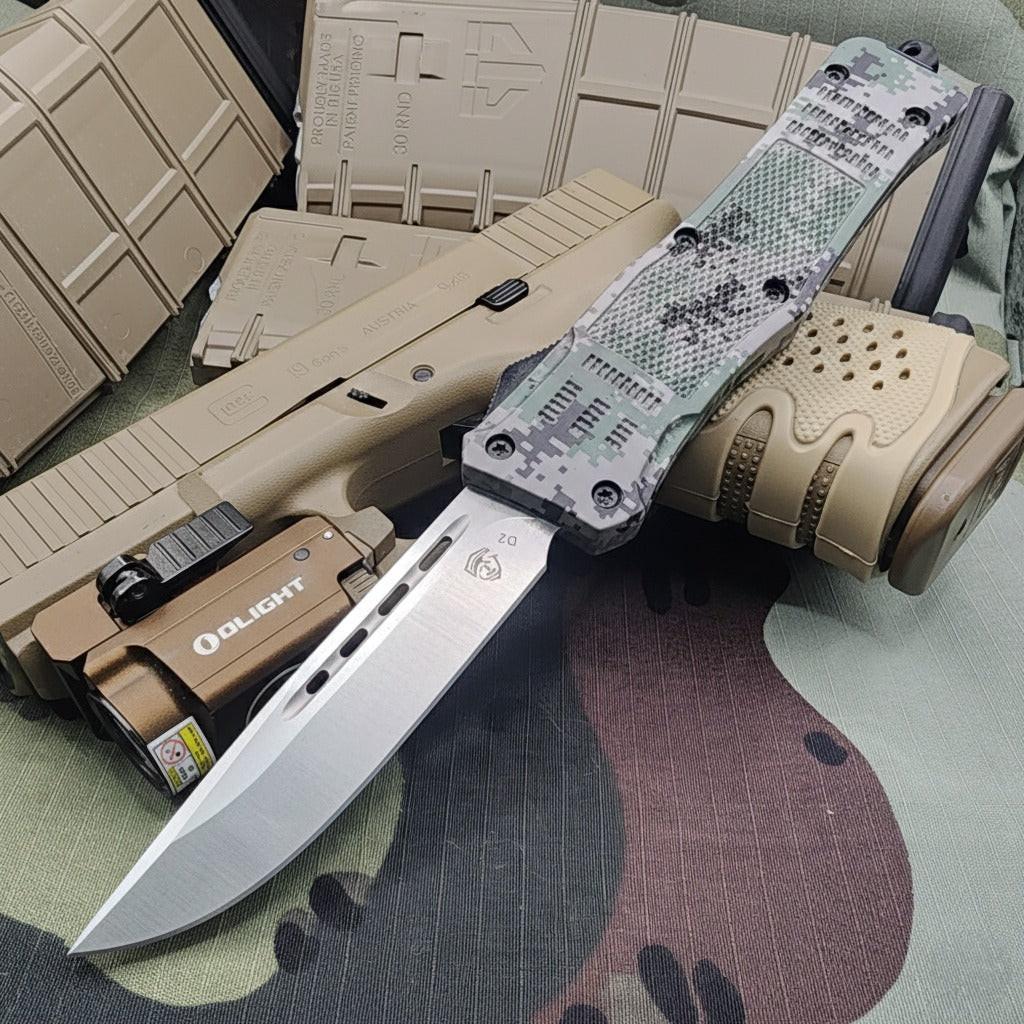
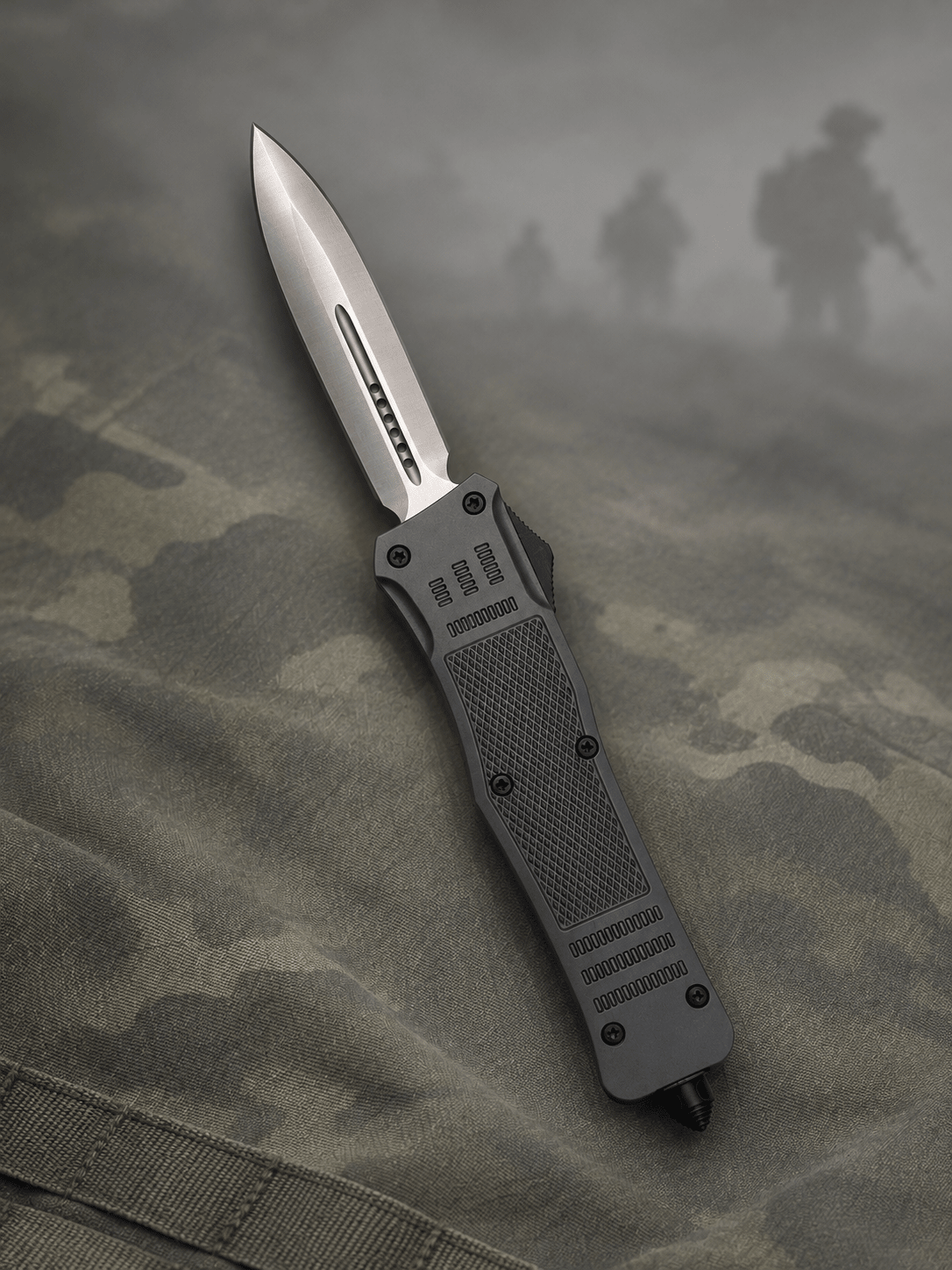
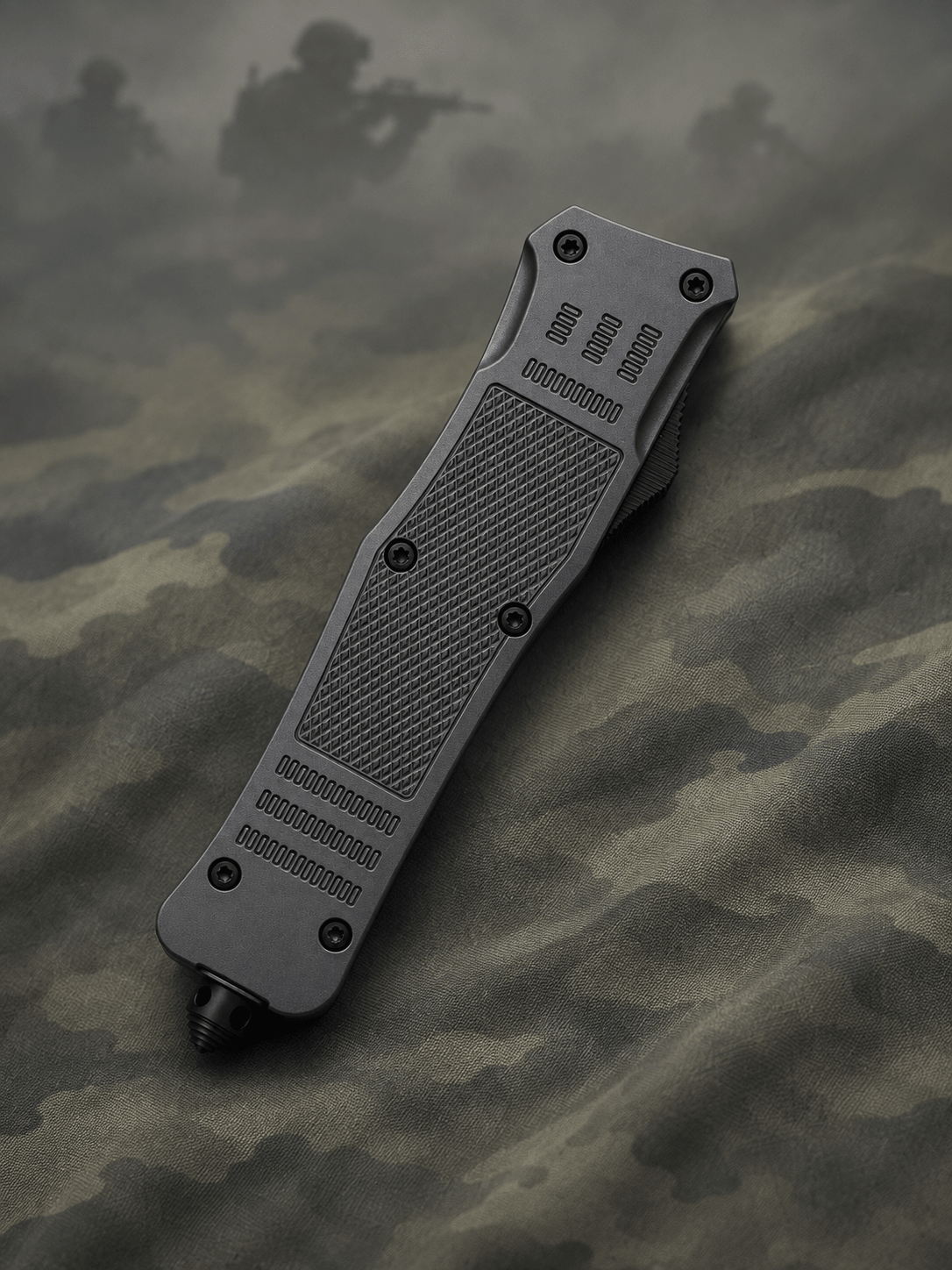
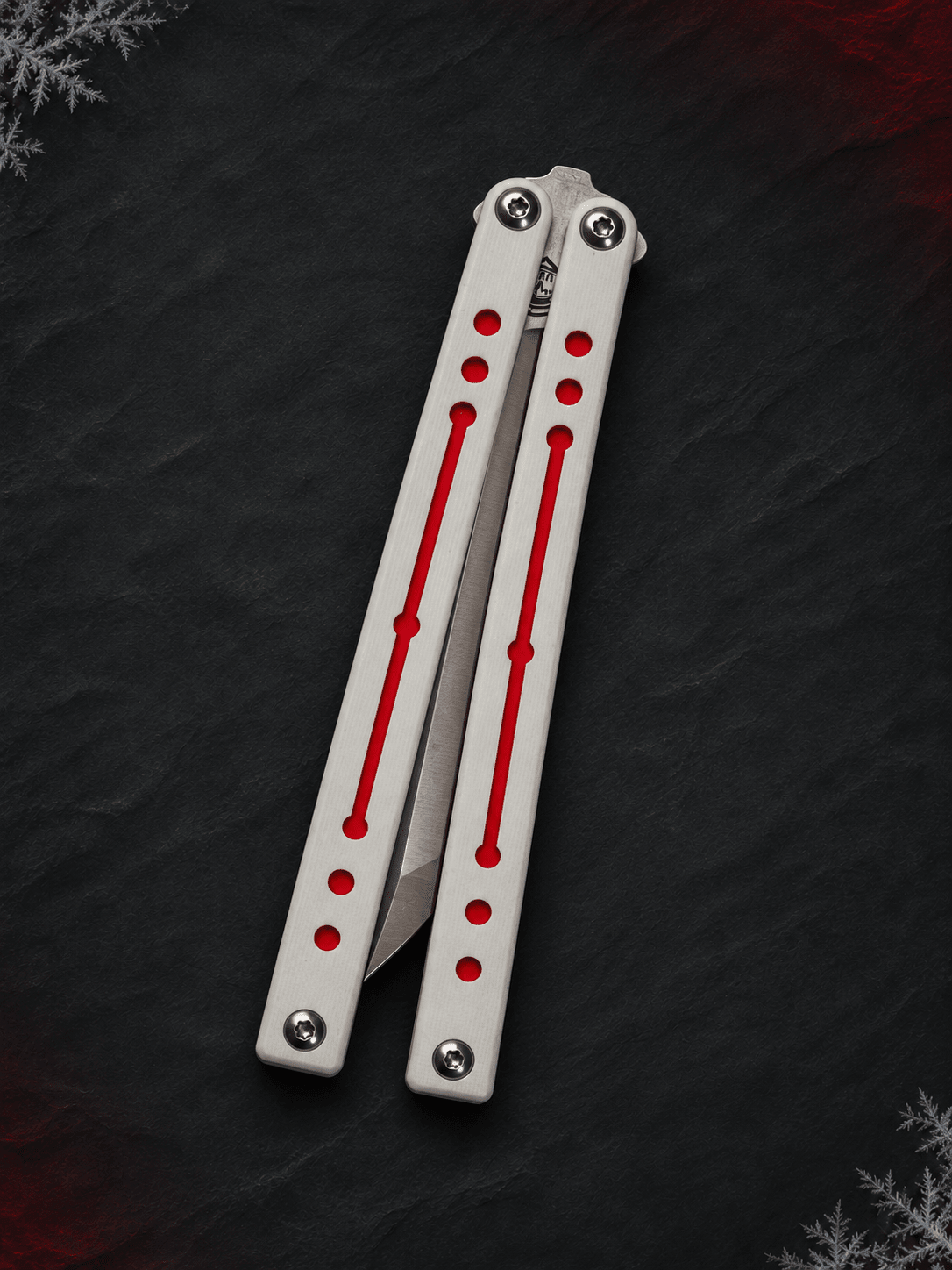
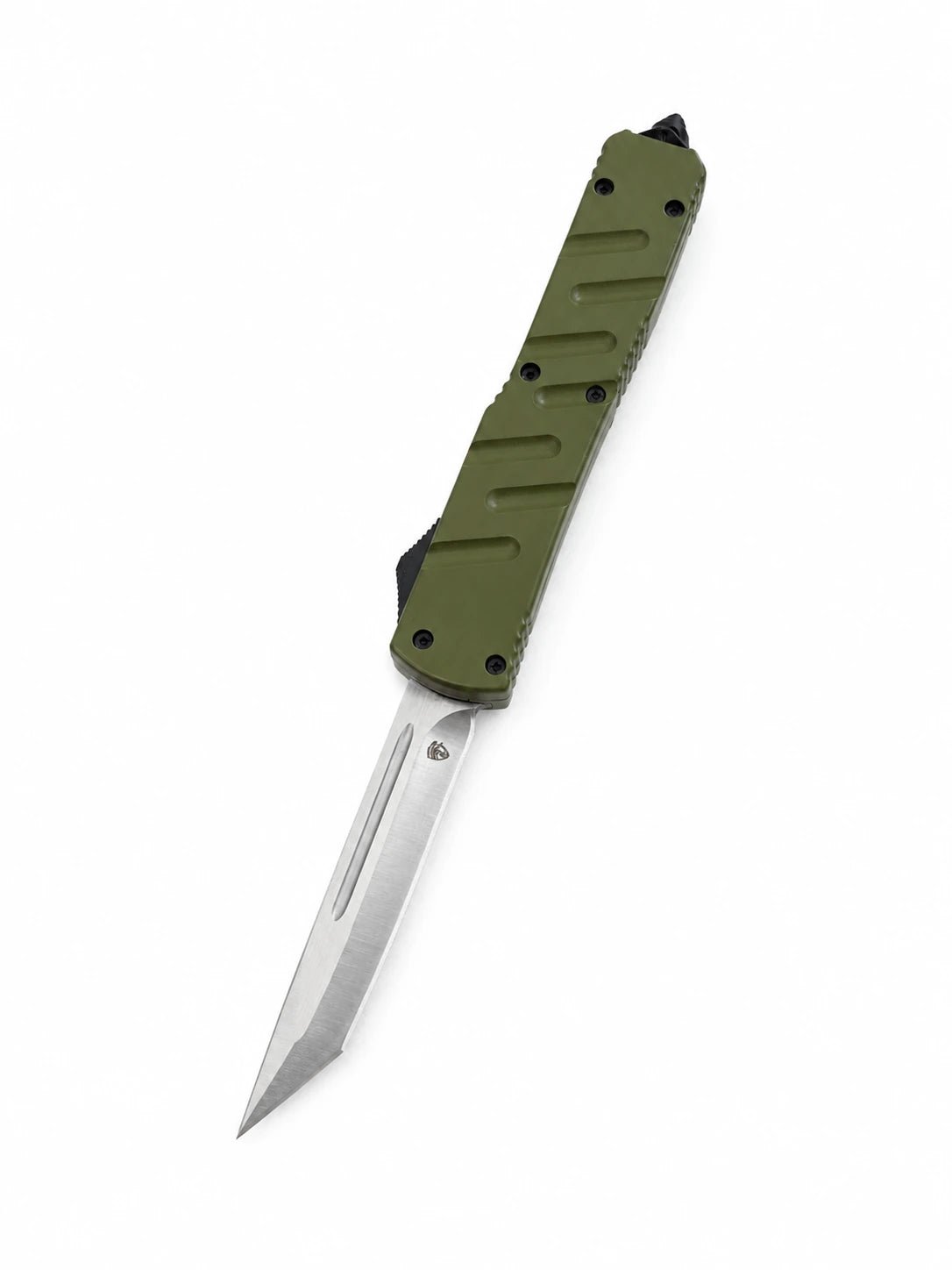
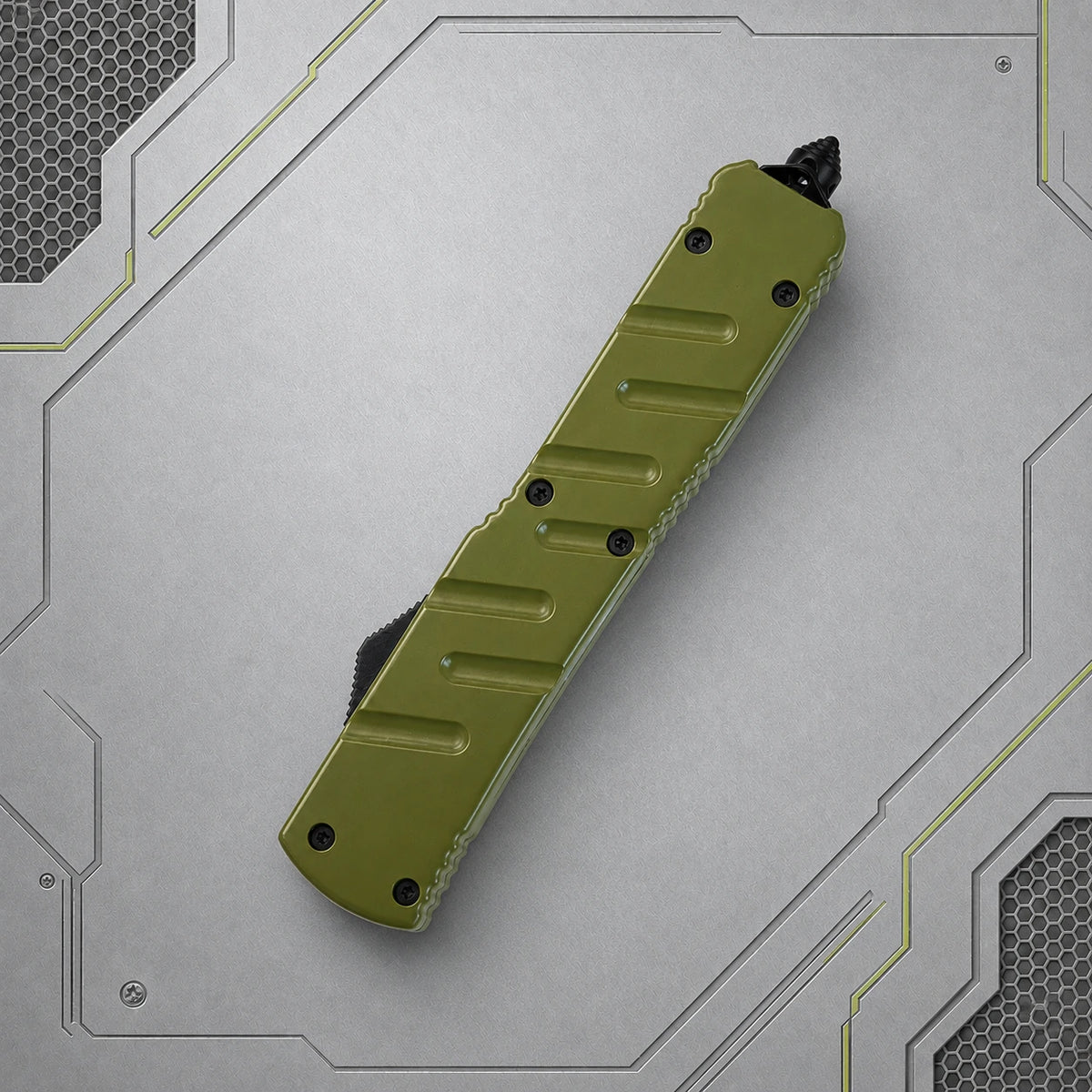
OTF knives deploy the blade through the front of the handle, while automatic folding knives open the blade from the side. Italian-style stilettos, swinguards, and leverlocks offer distinctive designs for collectors who appreciate traditional styling.
Match the blade to your cutting tasks
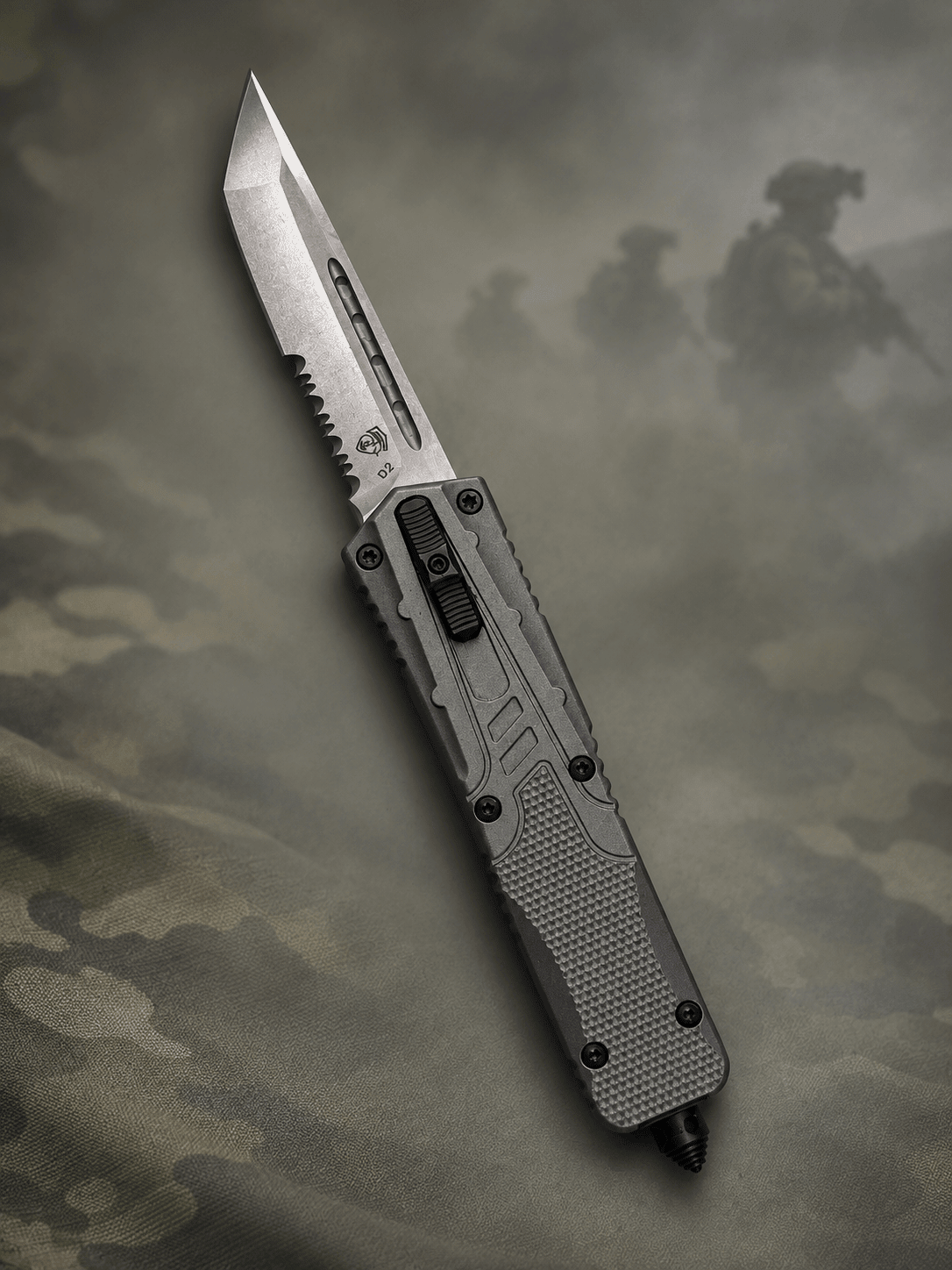
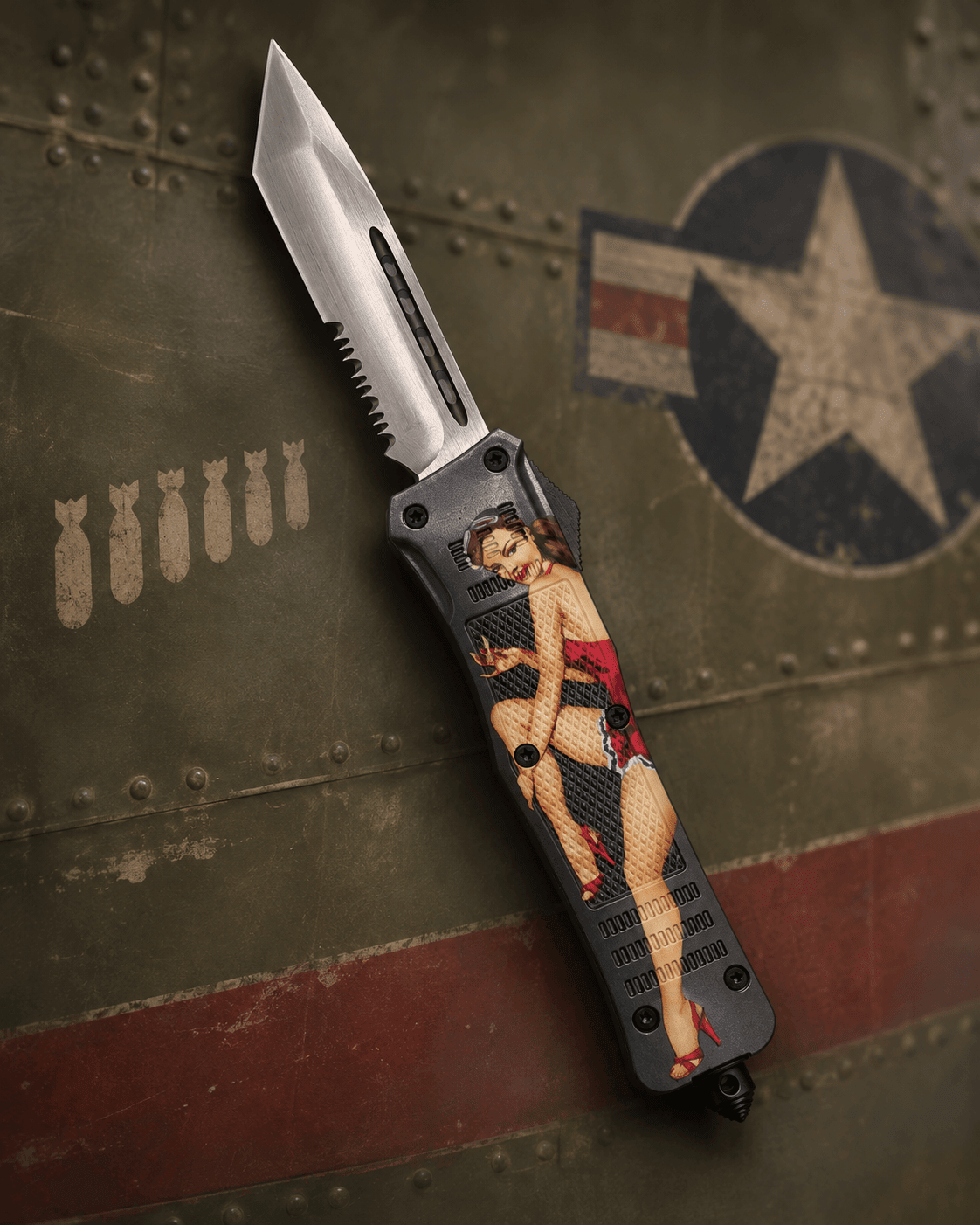
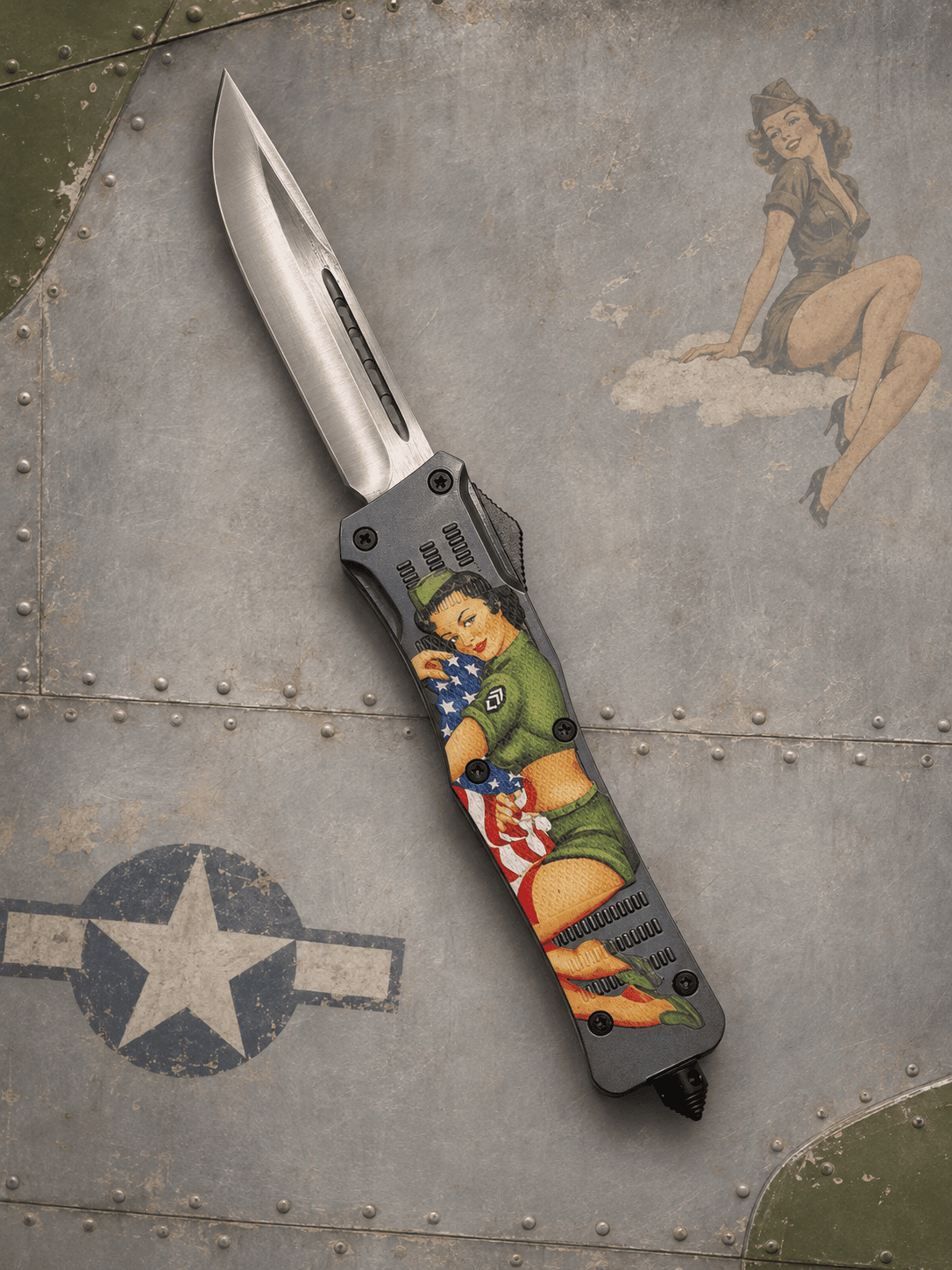
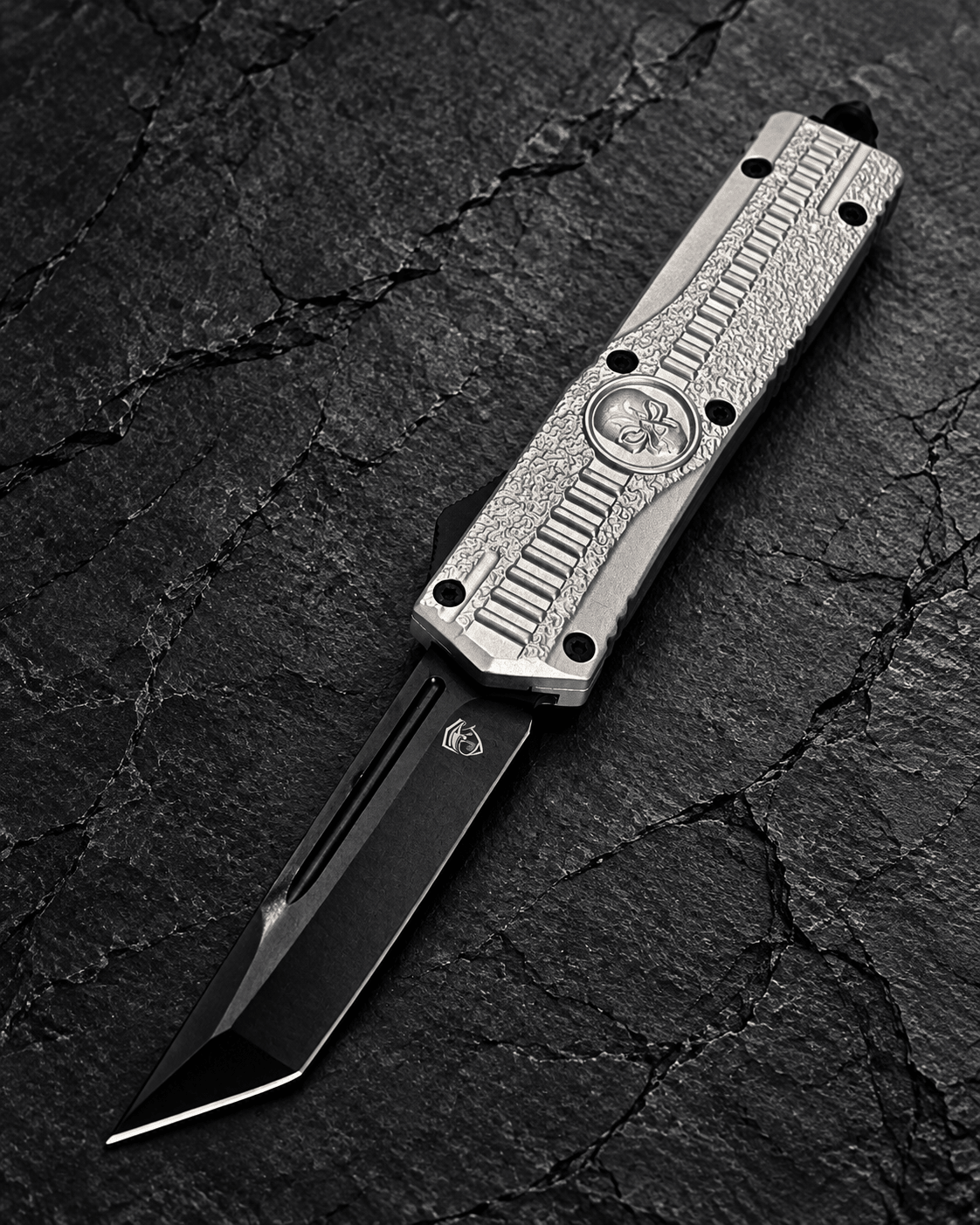
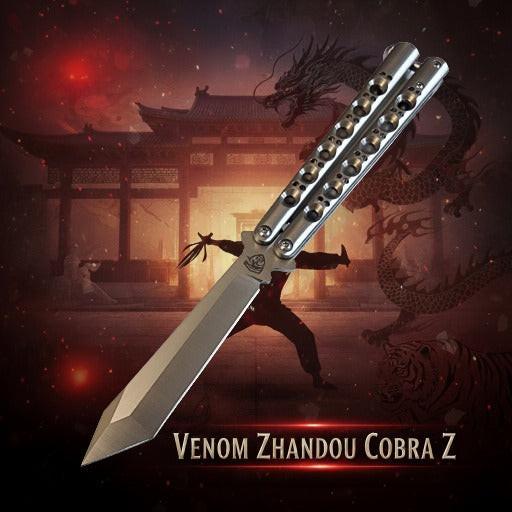
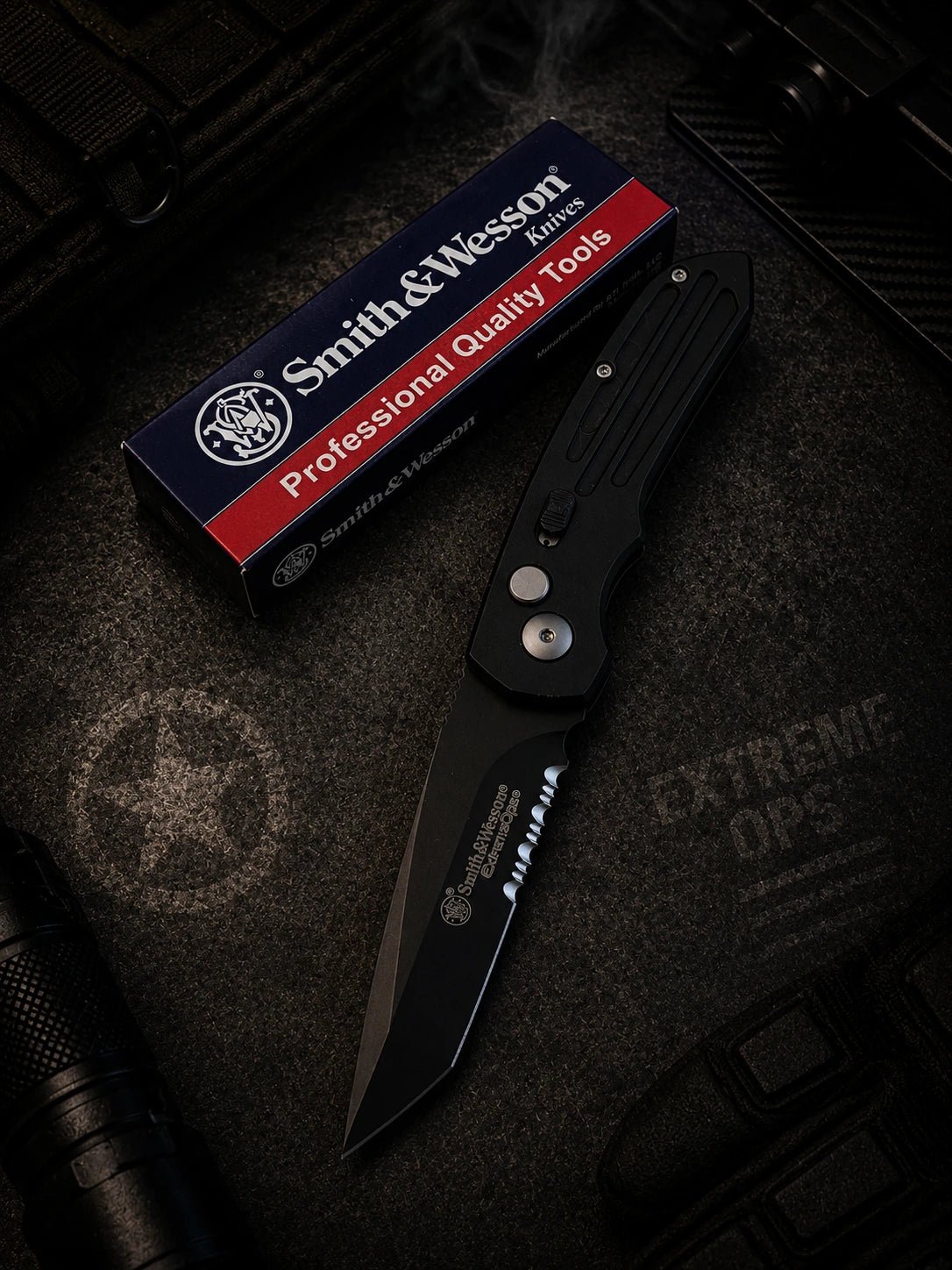
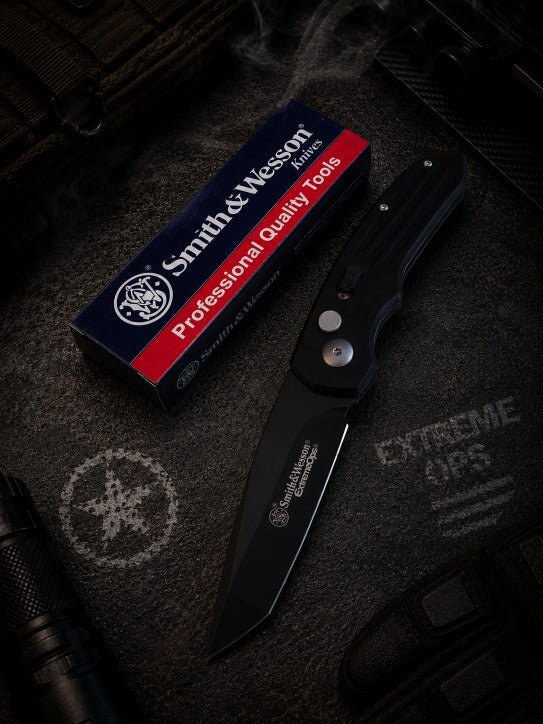
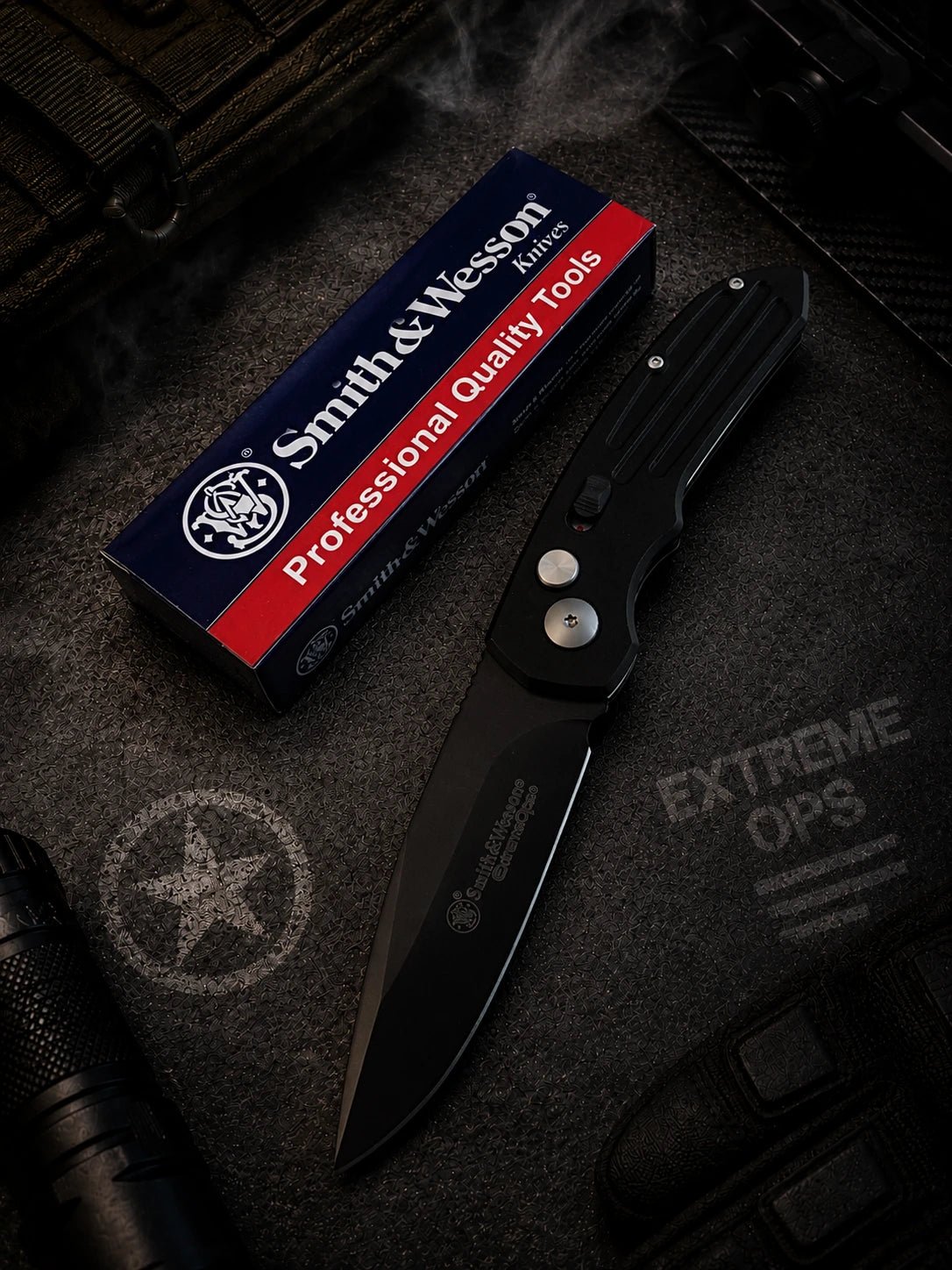
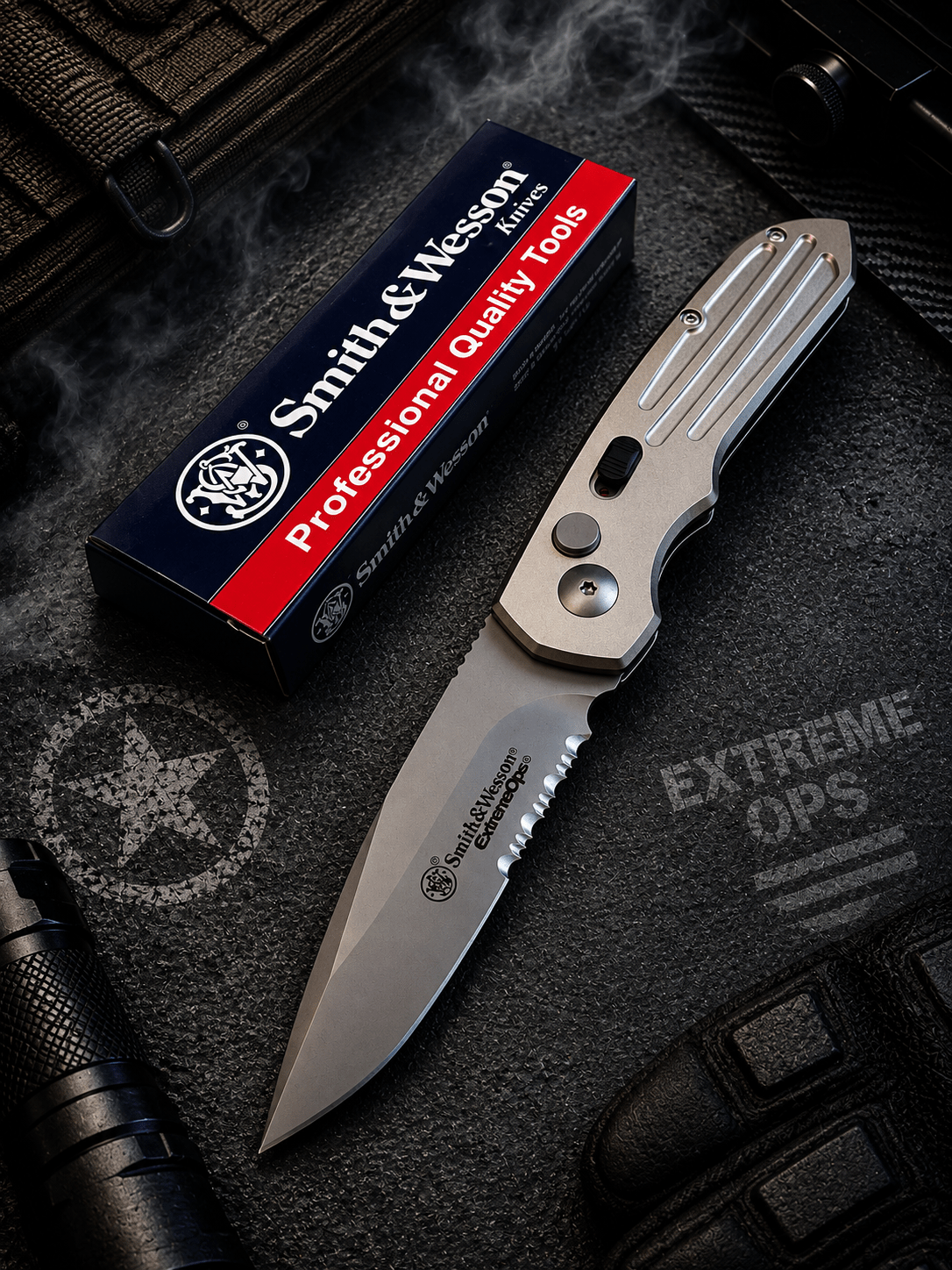
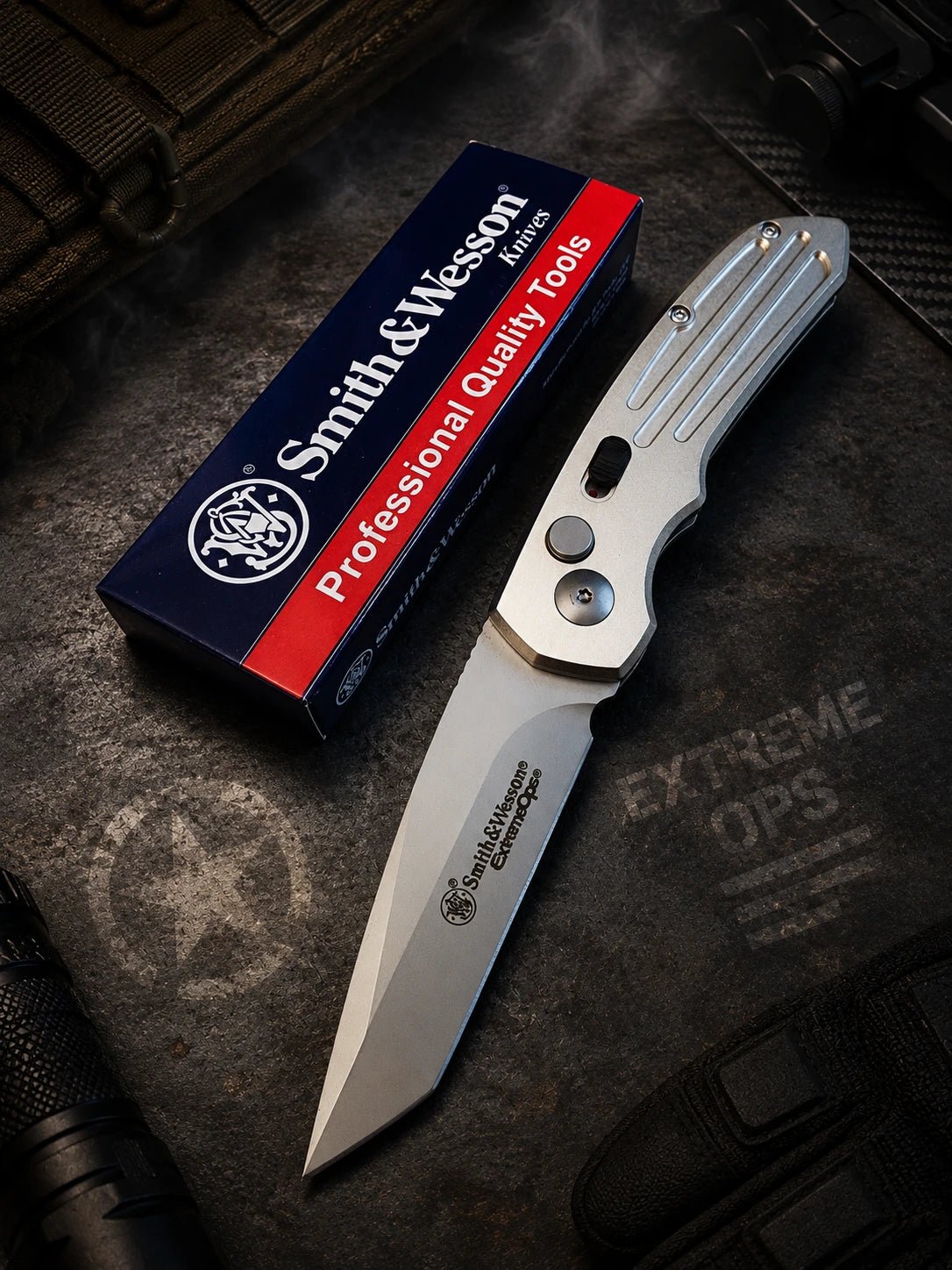
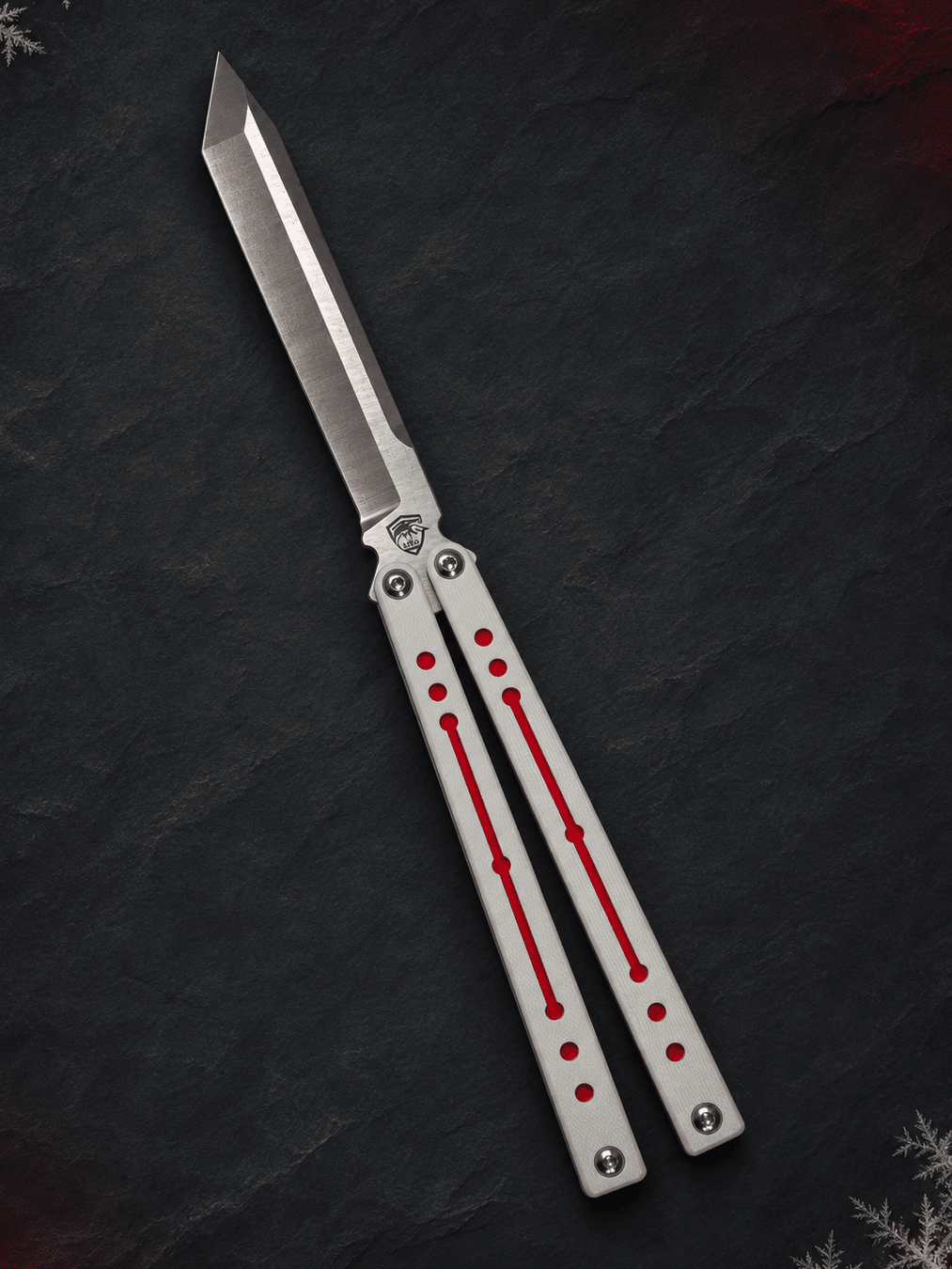
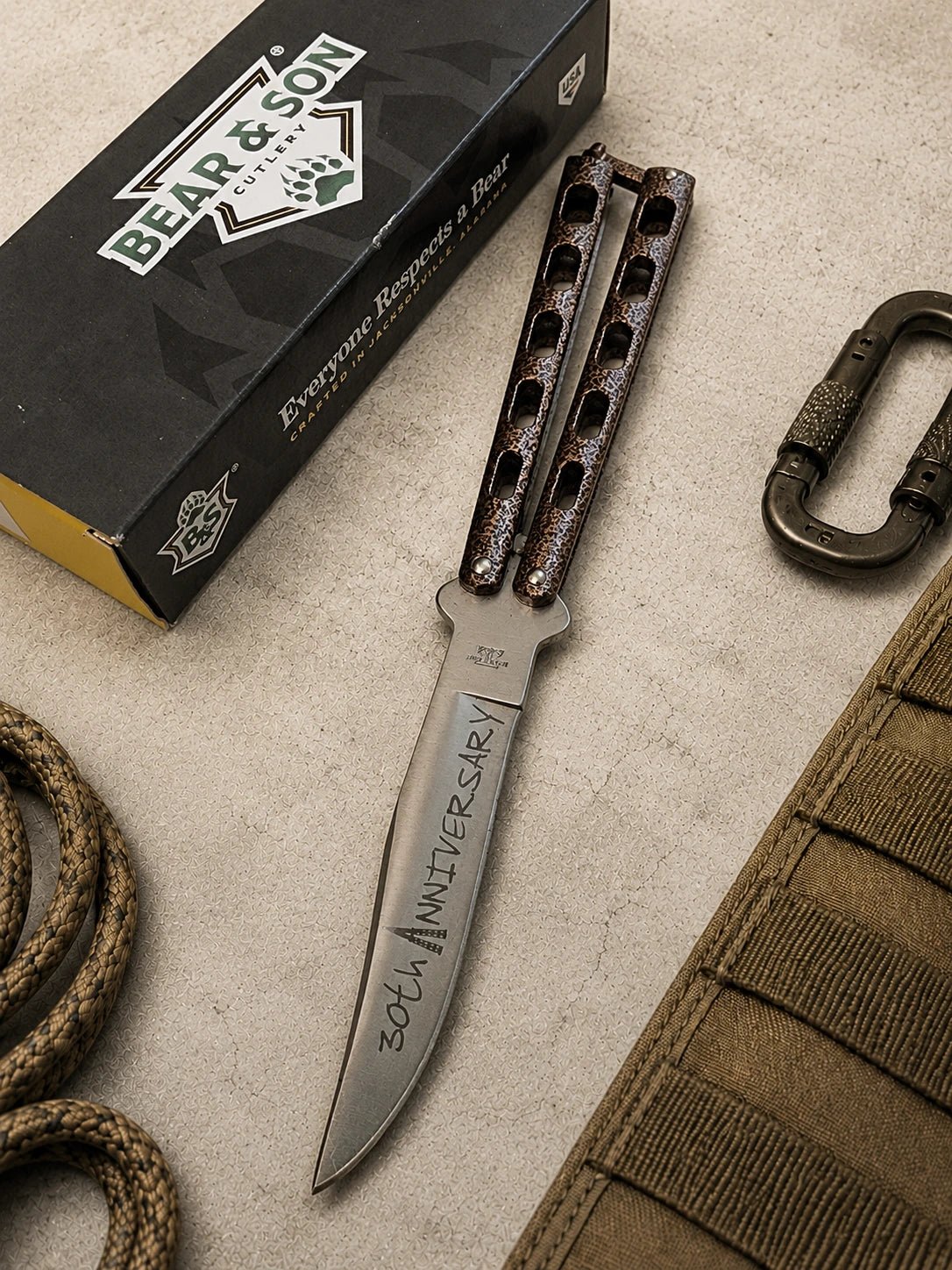
Drop-point blades offer a curved cutting edge suited to many everyday tasks. Tanto blades have an angular tip and a more defined transition between cutting edges. Compare the actual blade geometry and specifications of each model.
Select your edge
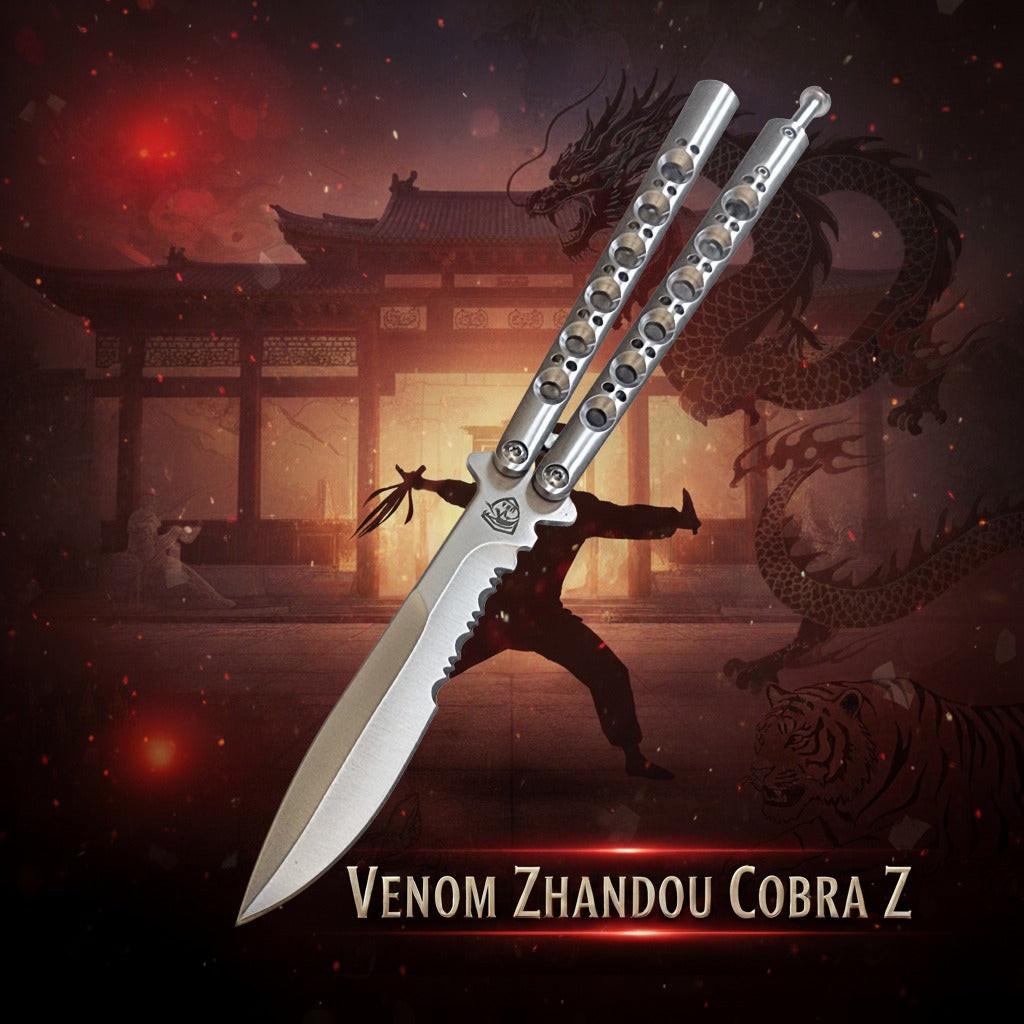
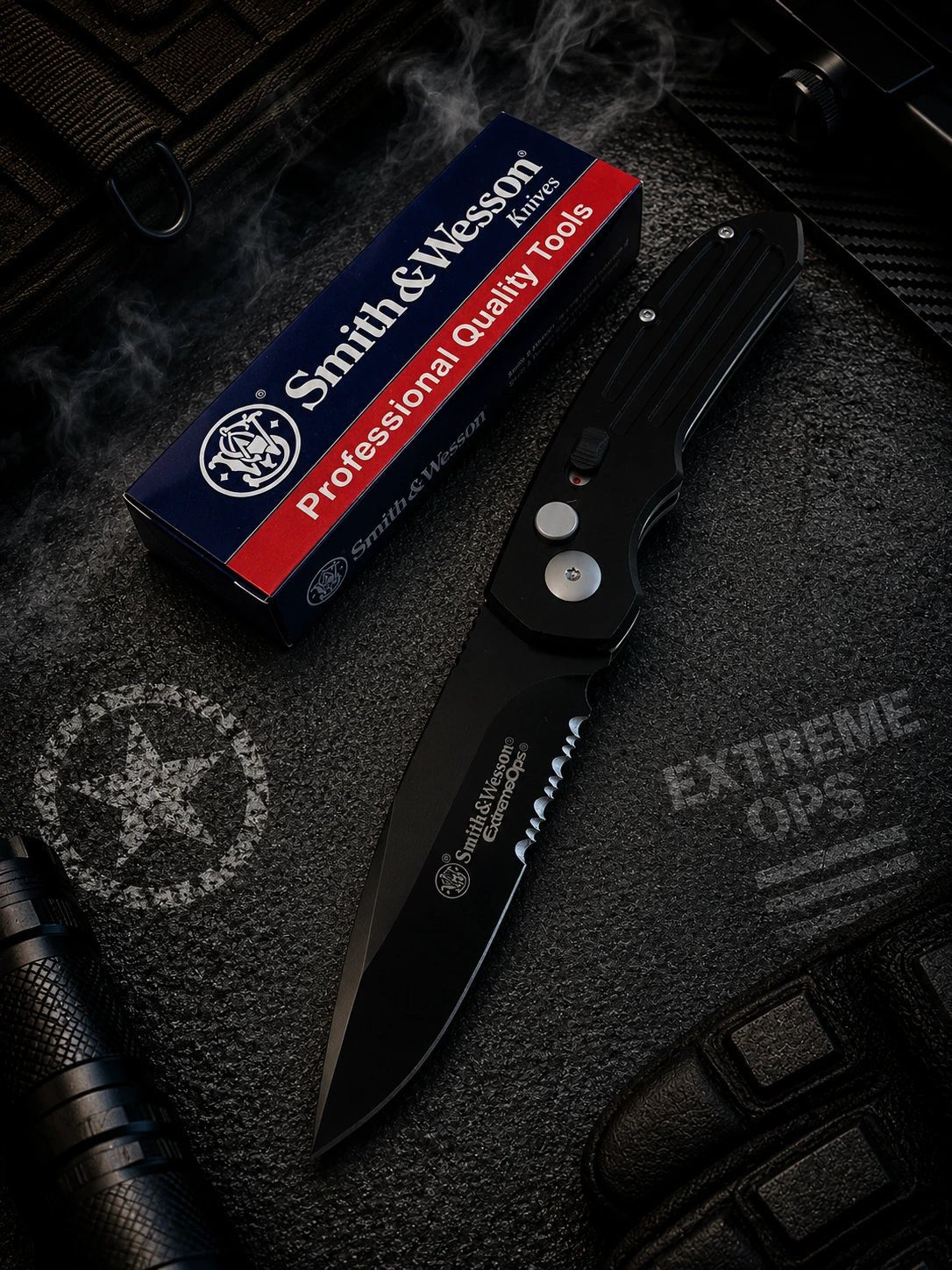
Plain edges work well for clean, controlled cuts and are generally simpler to sharpen. Serrated edges can be useful for fibrous materials such as rope. Partially serrated blades combine both edge styles.
Find a comfortable size
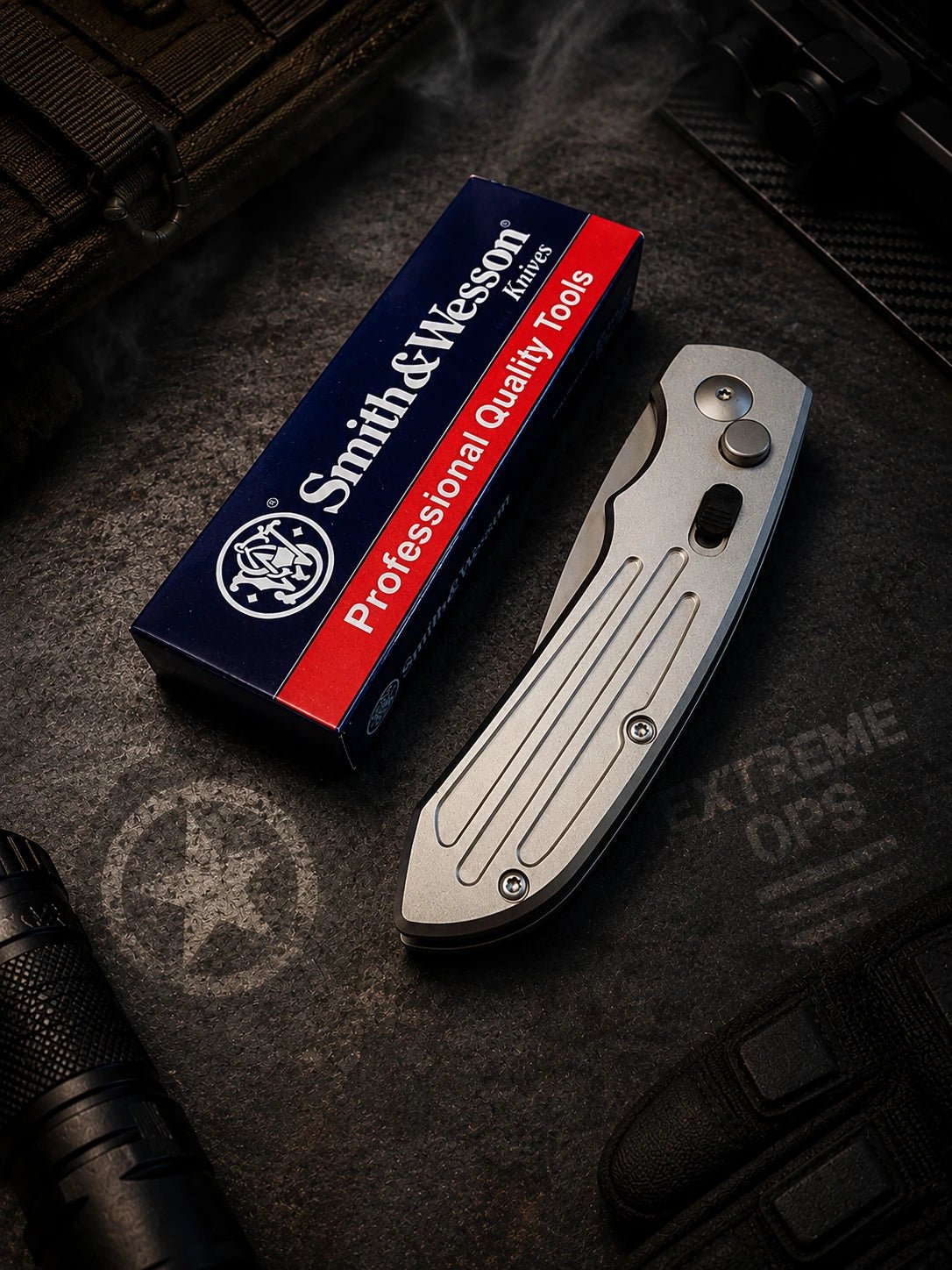
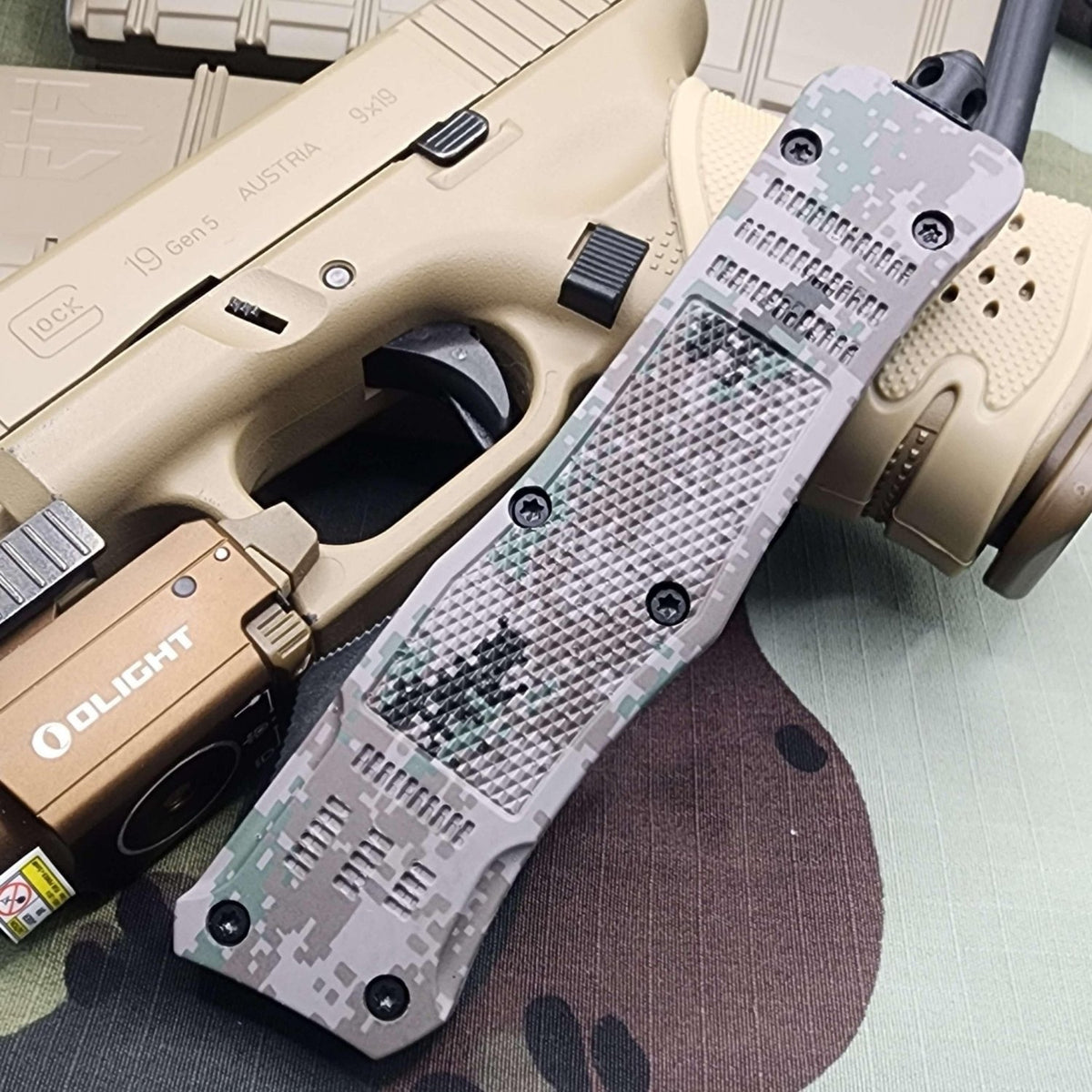
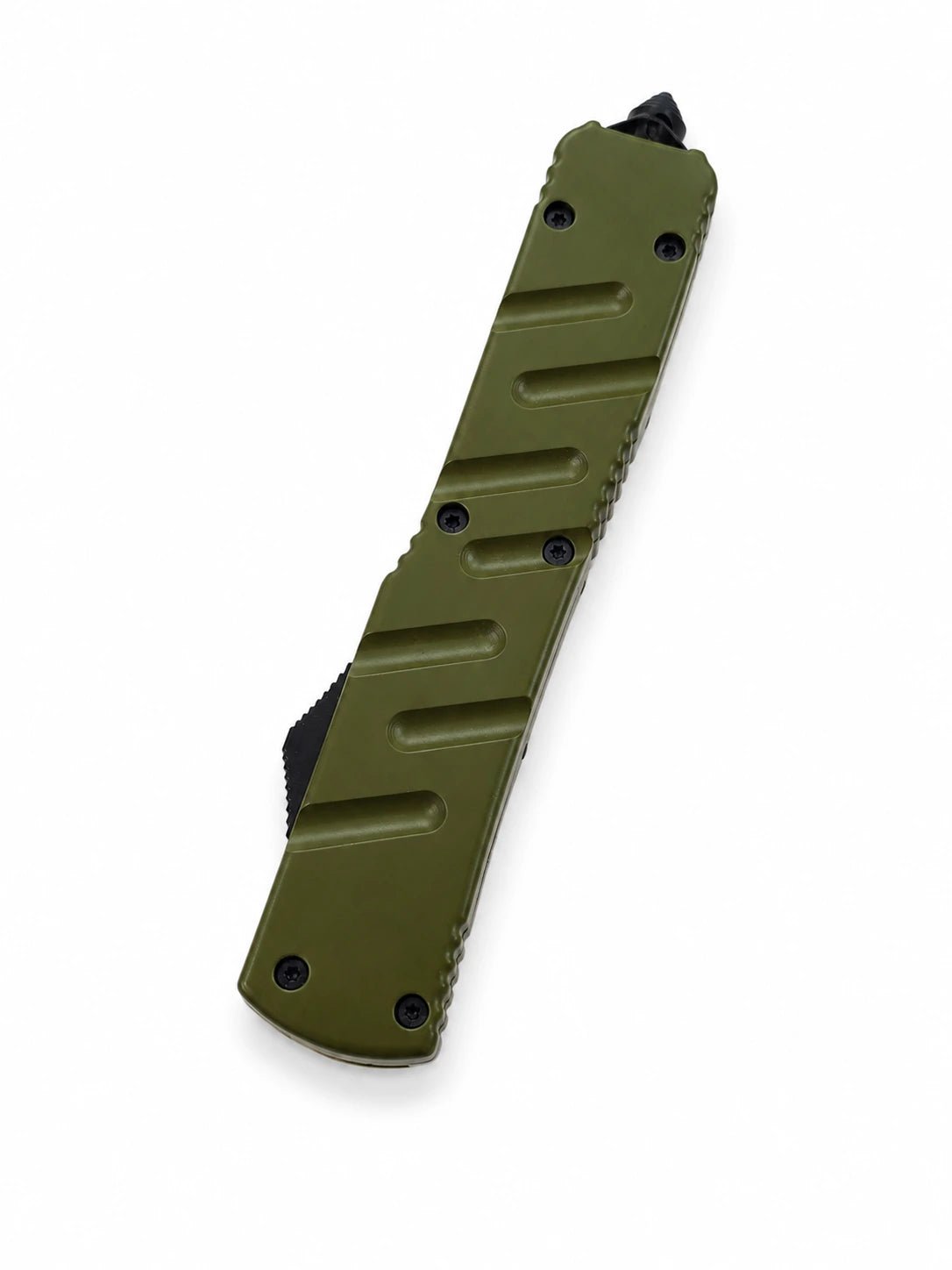
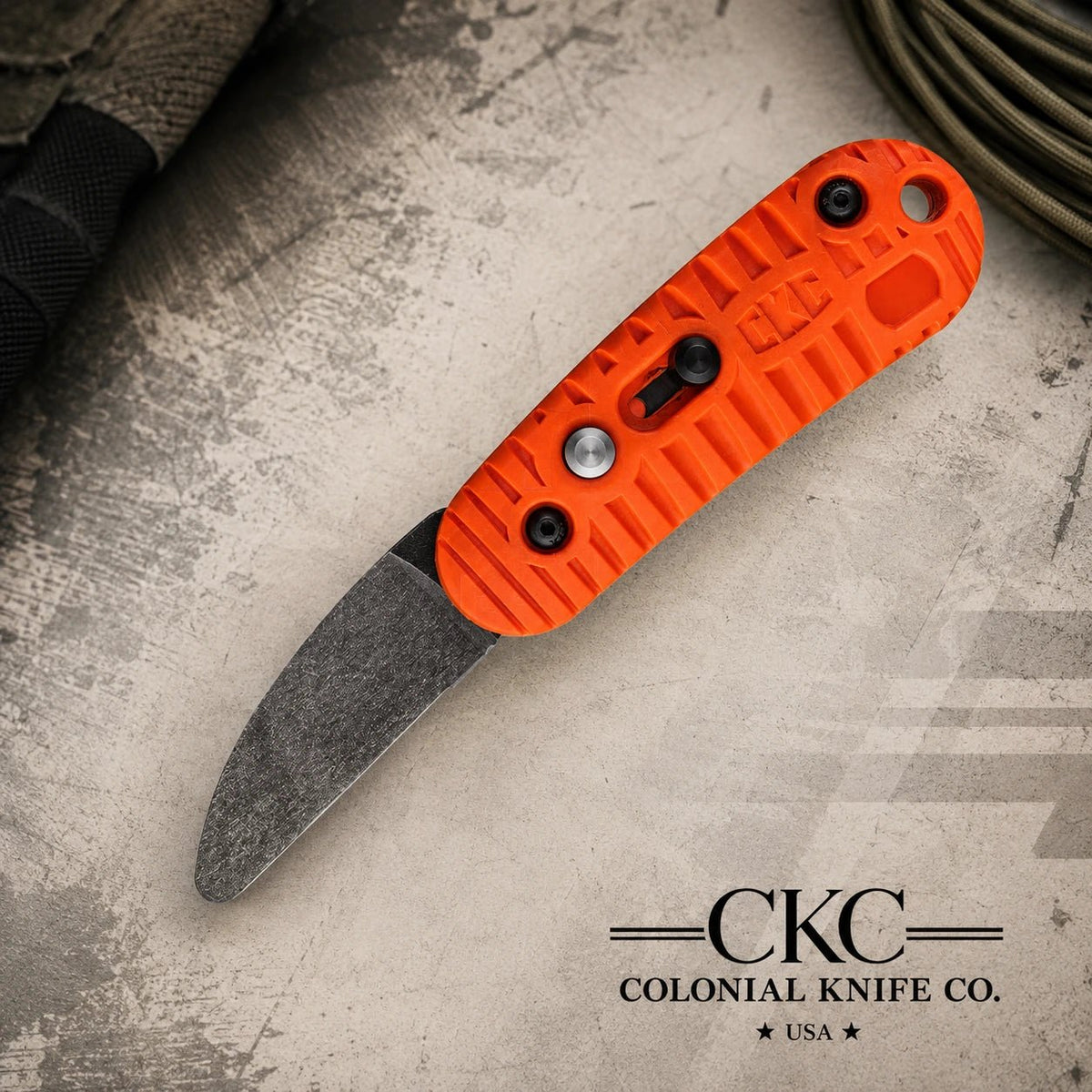
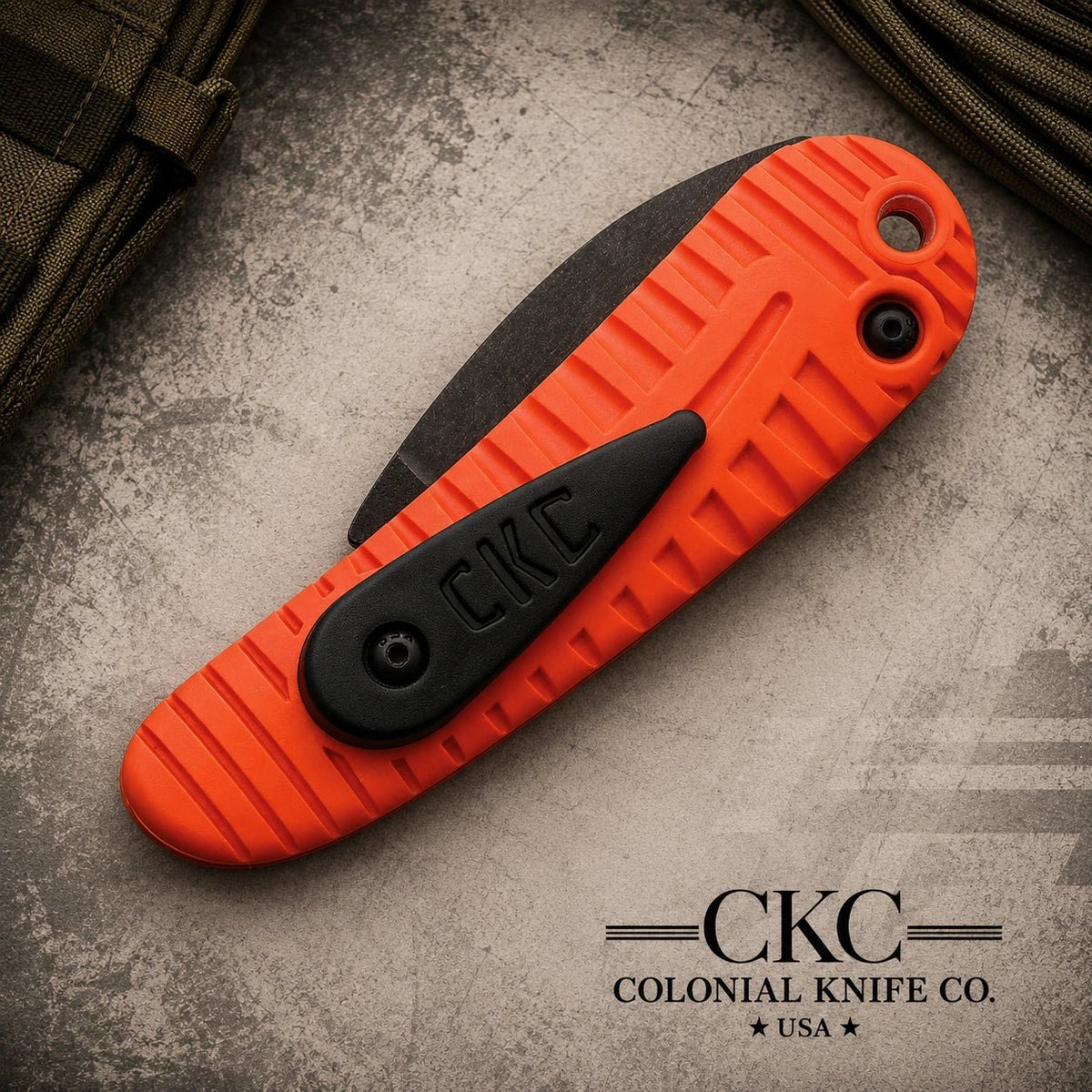
Compare blade length, closed length, weight, handle material, and pocket-clip placement. Compact models take up less pocket space, while larger models may provide more grip room.
Review individual product specifications and applicable laws before purchasing or carrying an automatic knife.
Choosing Automatic Knives: Frequently Asked Questions
Should I choose an OTF knife or an automatic folding knife?
An OTF knife deploys its blade through the front of the handle. An automatic folding knife swings its blade open from the side. Compare the controls, grip, dimensions, and maintenance instructions to choose the design that fits your preferences.
What is the difference between single-action and double-action OTF knives?
Double-action OTF knives use a control to deploy and retract the blade. Single-action models deploy automatically but require a separate manual reset or retraction process. Check the individual model’s operating instructions.
How do stilettos, swinguards, and leverlocks differ?
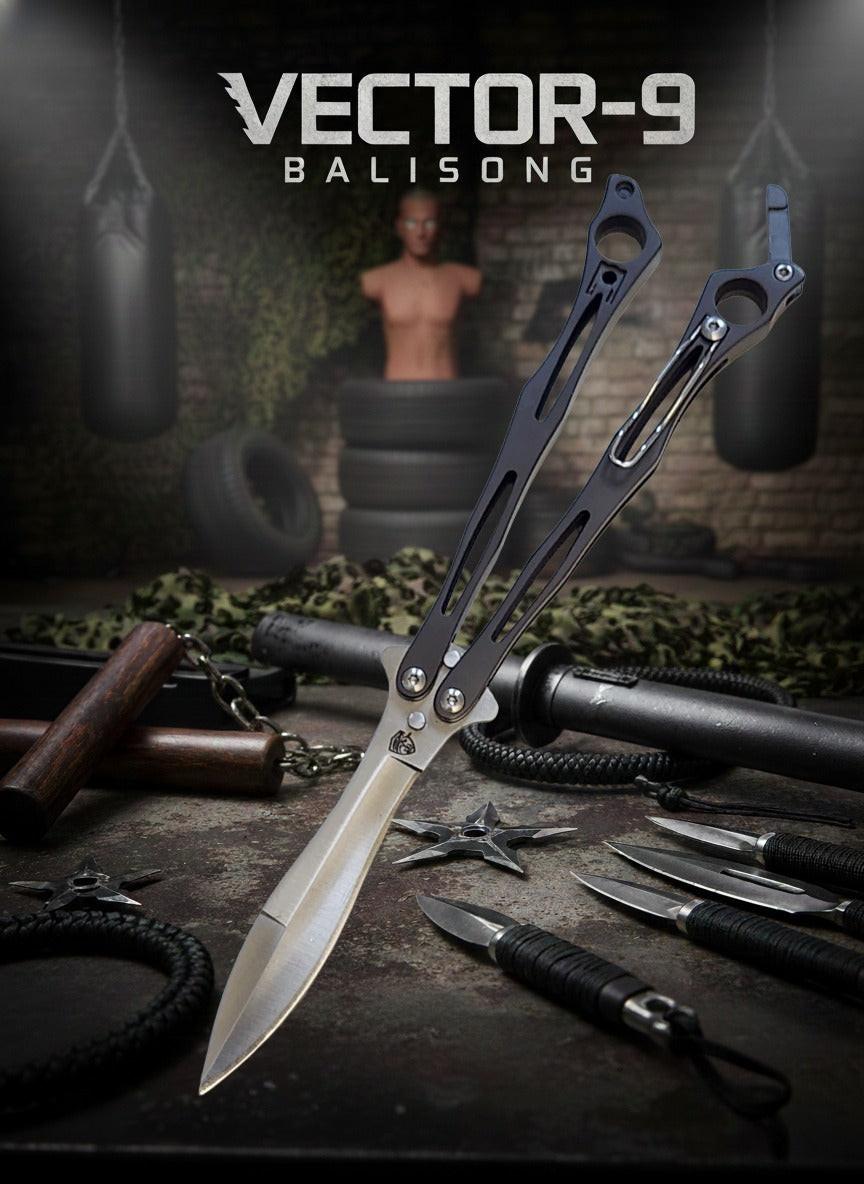
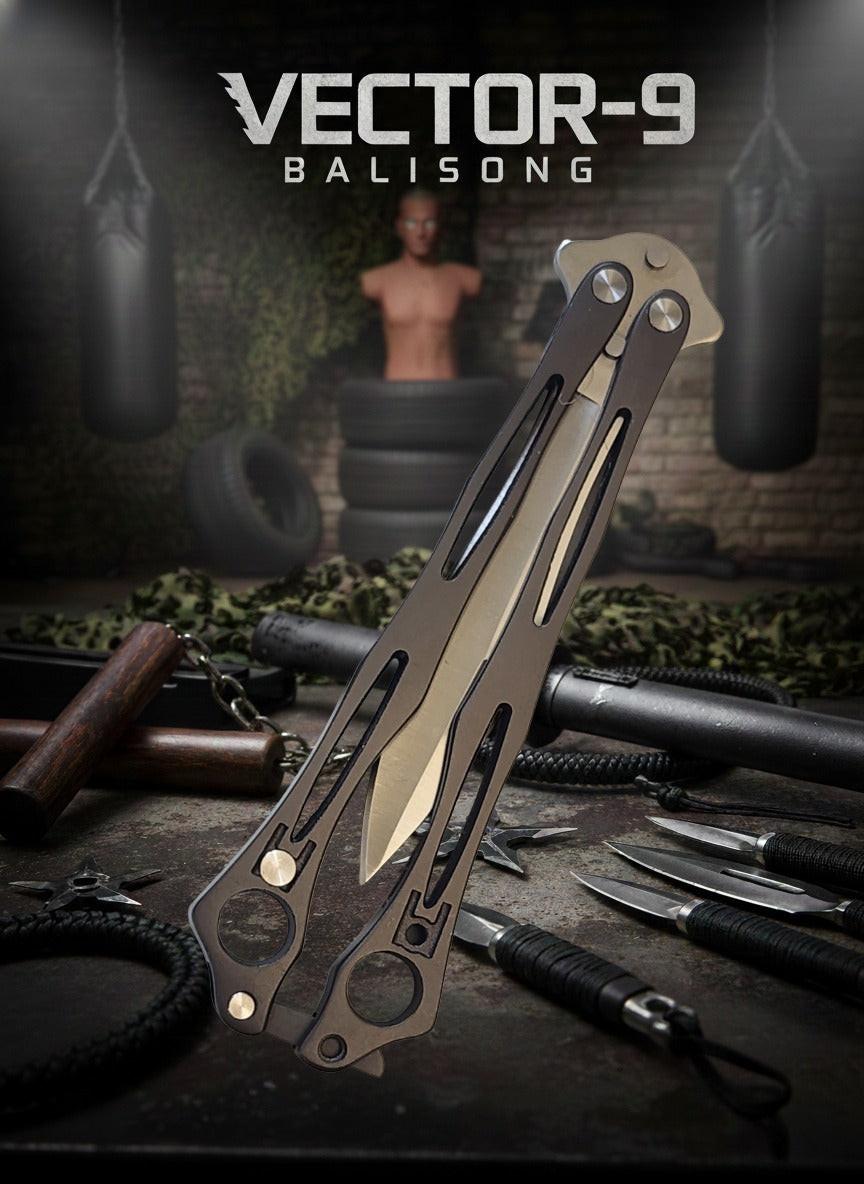
Stilettos are recognized for their slender, traditional styling. Swinguard models feature guards that move as the blade opens. Leverlock models use a lever-operated mechanism. These terms describe different design features and can overlap.
Is a drop-point or tanto blade better for everyday cutting?
Drop-point blades offer a curved edge useful for general slicing. Tanto blades have an angular profile that some users prefer for particular cutting tasks. The best choice depends on your tasks, the blade’s geometry, and your sharpening preferences.
What is the difference between single-edge and double-edge blades?
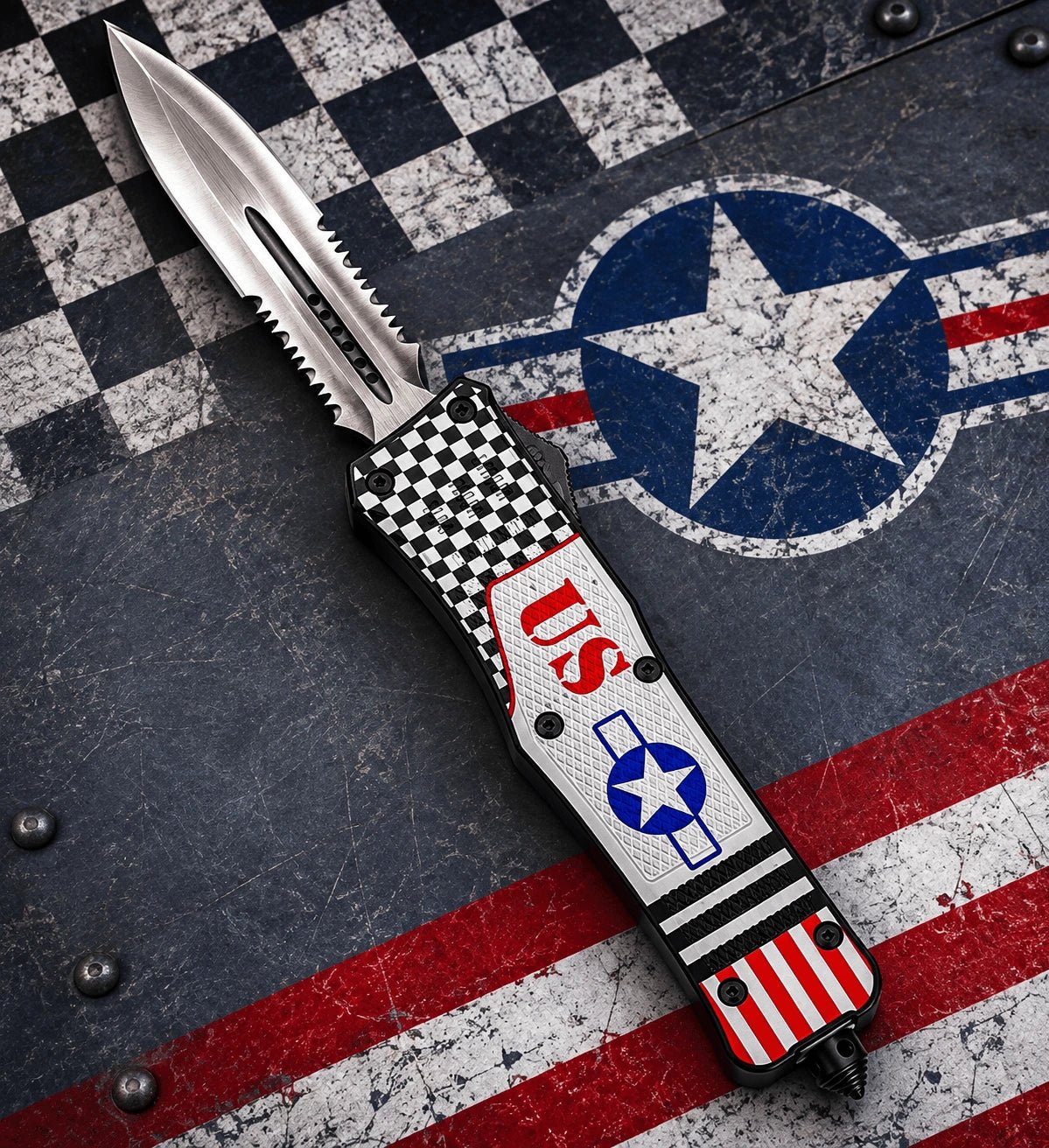
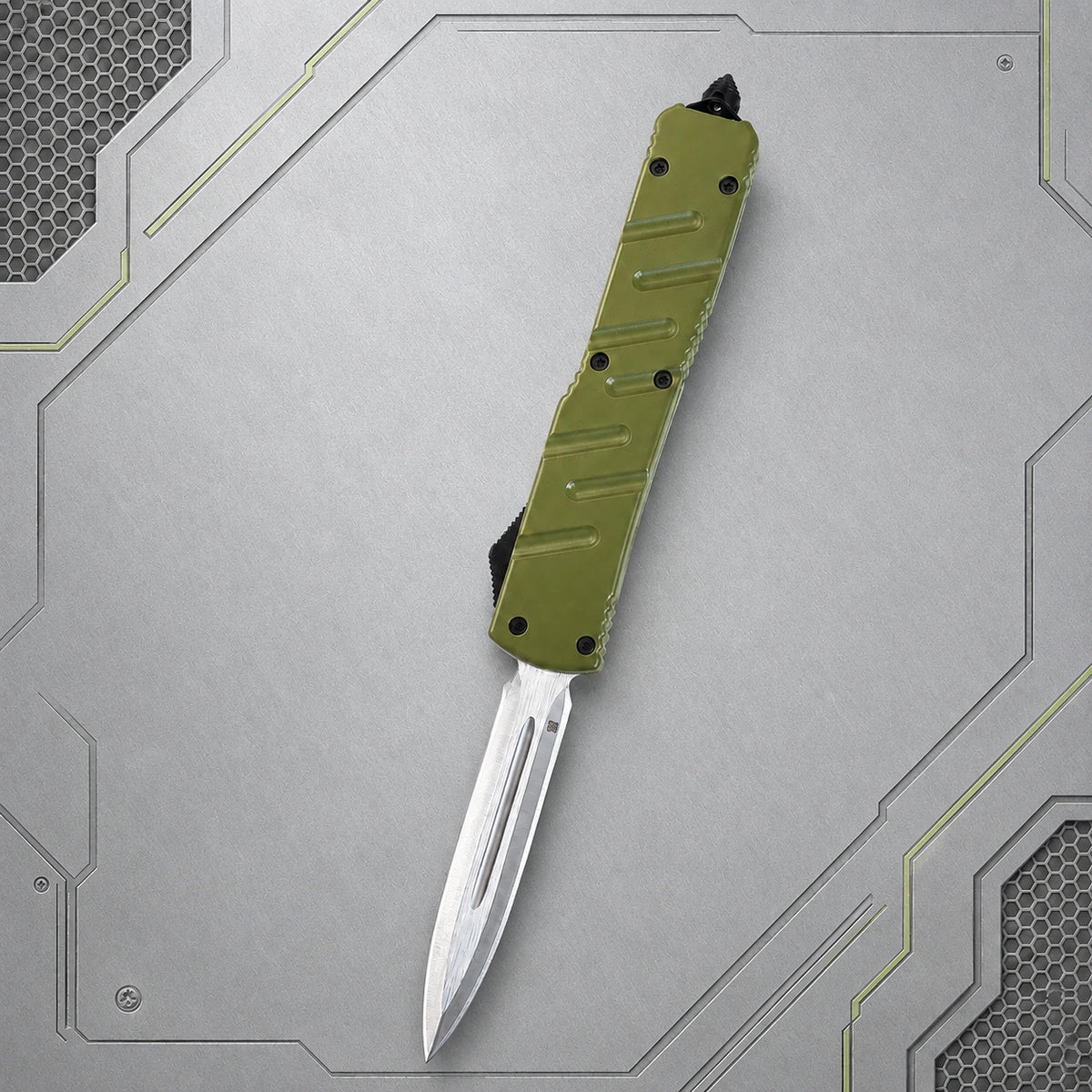
Single-edge blades have one sharpened cutting edge. Double-edge blades have sharpened edges on both sides. Check the product specifications because a dagger-shaped blade is not always sharpened on both sides. Carry restrictions may also differ.
Should I choose a plain, partially serrated, or fully serrated edge?
Choose a plain edge for controlled slicing and straightforward sharpening. Partial serrations offer both plain and serrated cutting sections. Fully serrated edges can suit fibrous materials but require an appropriate sharpening method.
Should I choose a compact or full-size automatic knife?
Compact models generally offer less weight and a smaller pocket footprint. Full-size models may provide a longer cutting edge and more grip space. Compare actual dimensions and weight rather than relying on size labels alone.